Embrace a New Silhouette
Breast augmentation offers the opportunity to enhance breast shape and volume in a way that reflects your preferences and complements your overall figure. At his Laval practice, Dr. James Lee takes an individualized approach to each procedure, considering your anatomy and aesthetic preferences throughout the planning process. These factors help inform implant selection and key decisions, with an emphasis on an outcome that appears natural and well suited to your individual features.
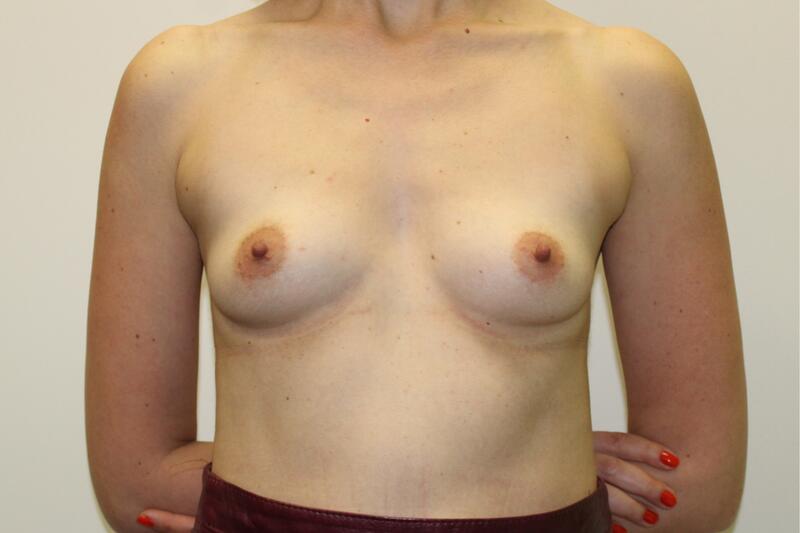
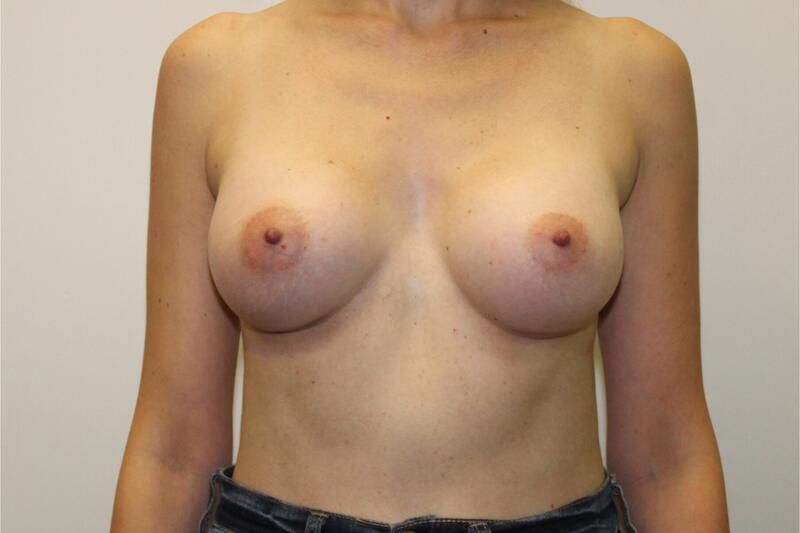
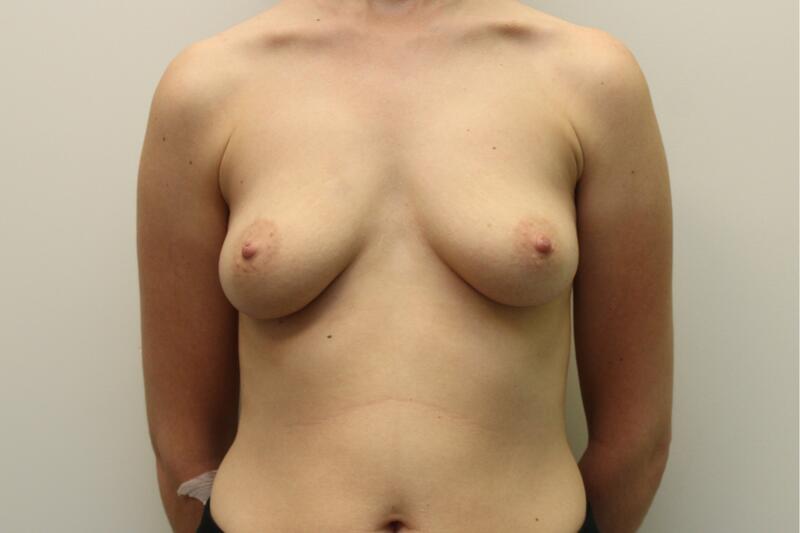
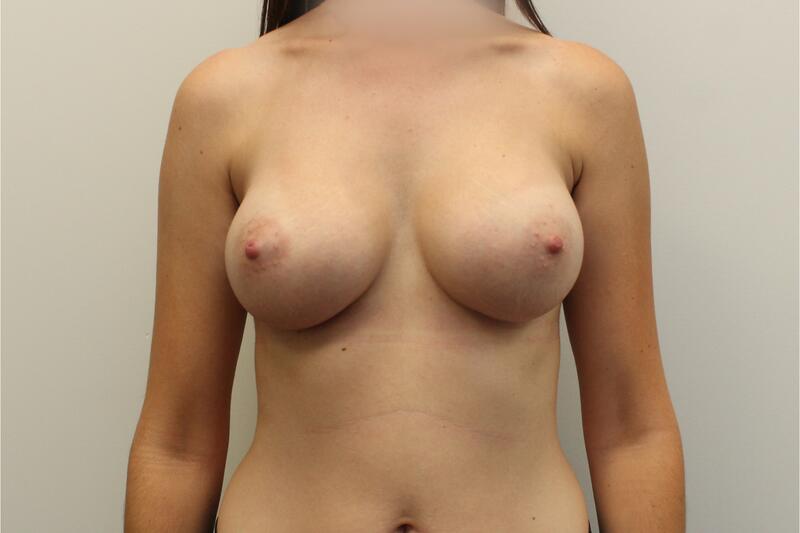
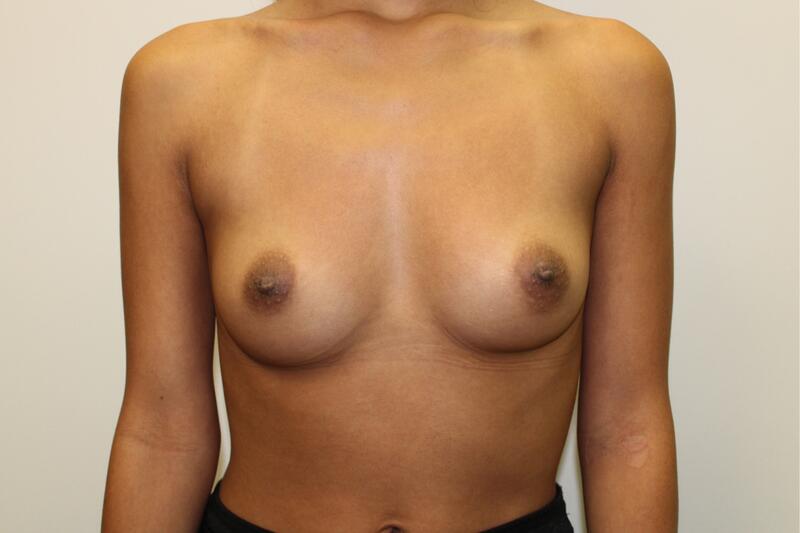
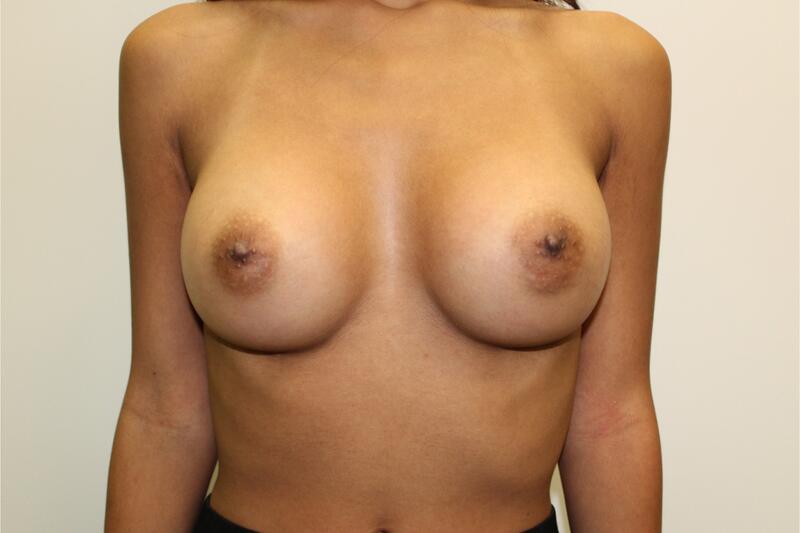
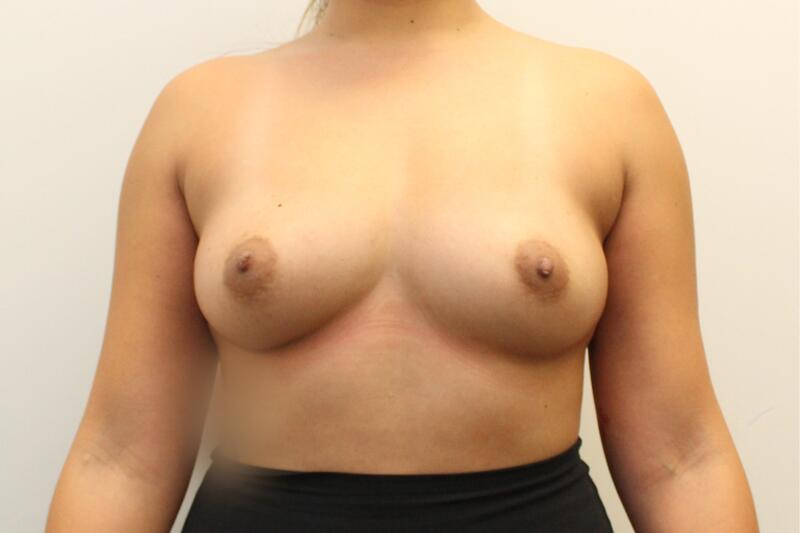
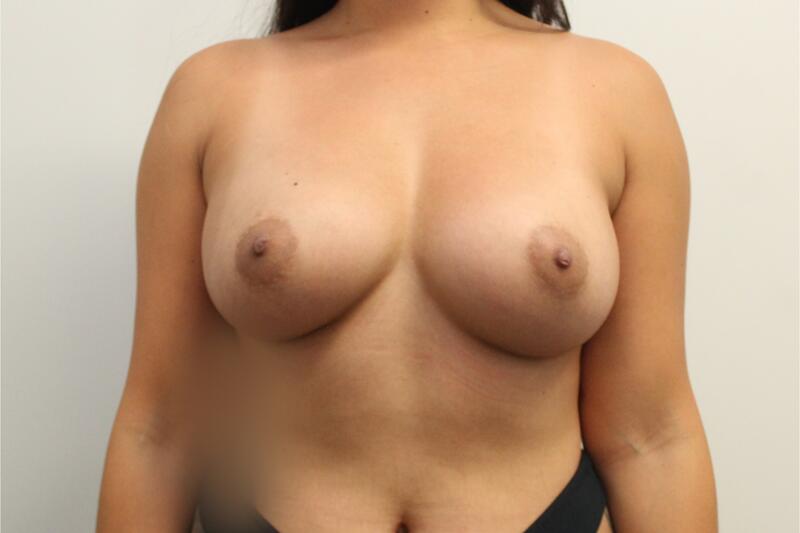
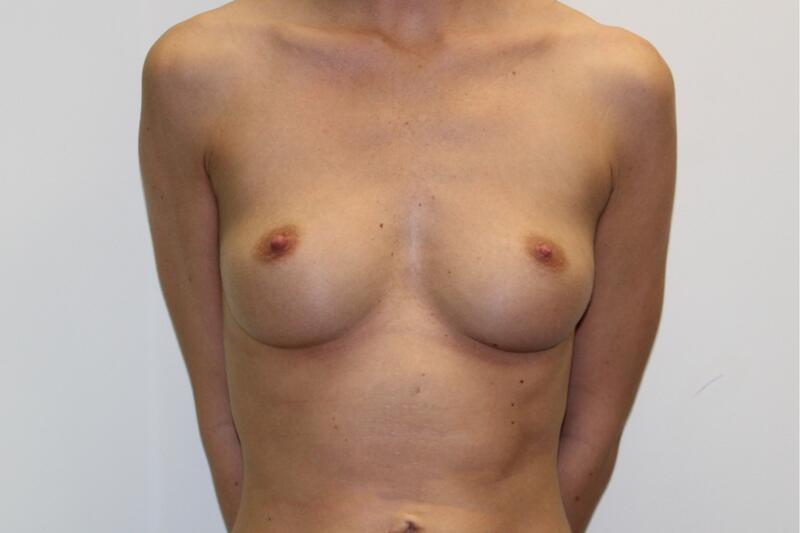
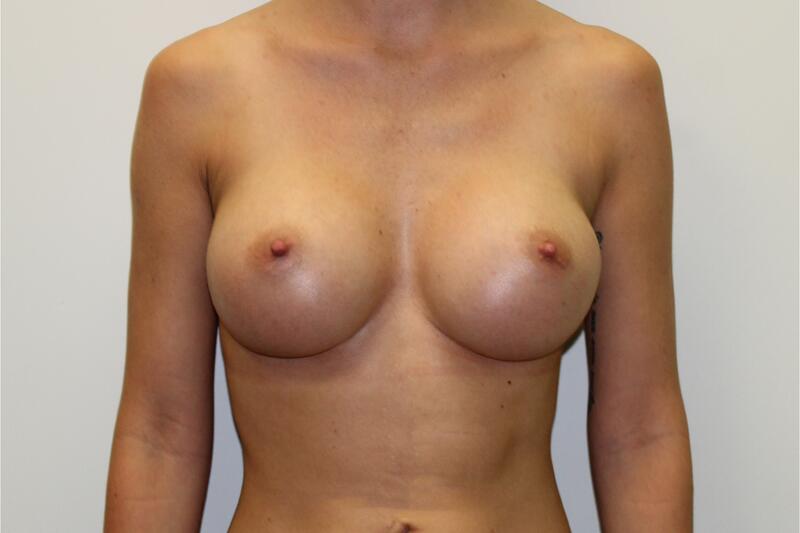
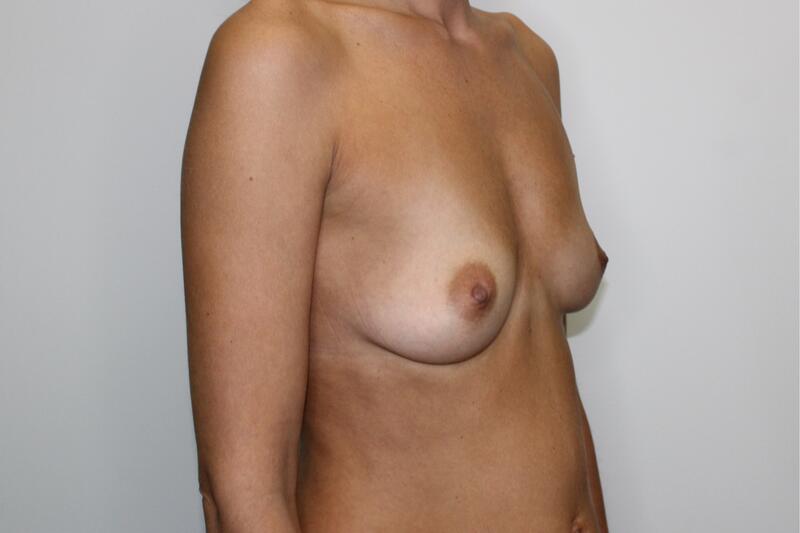
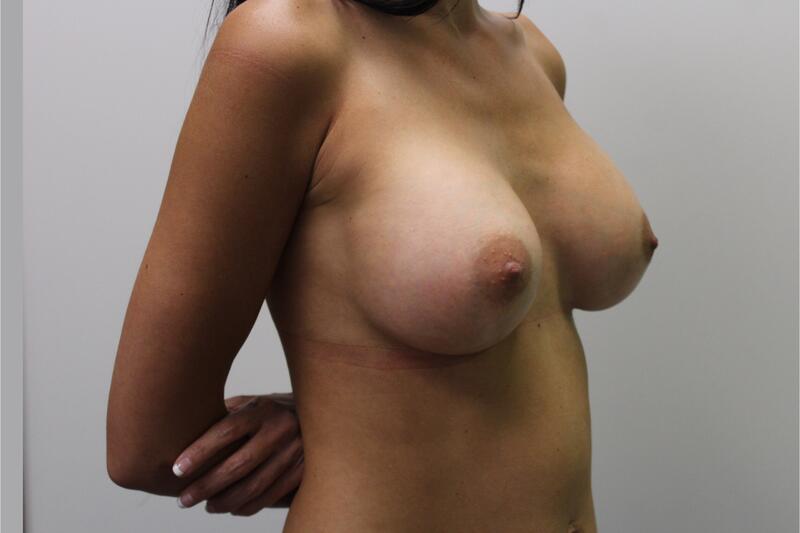
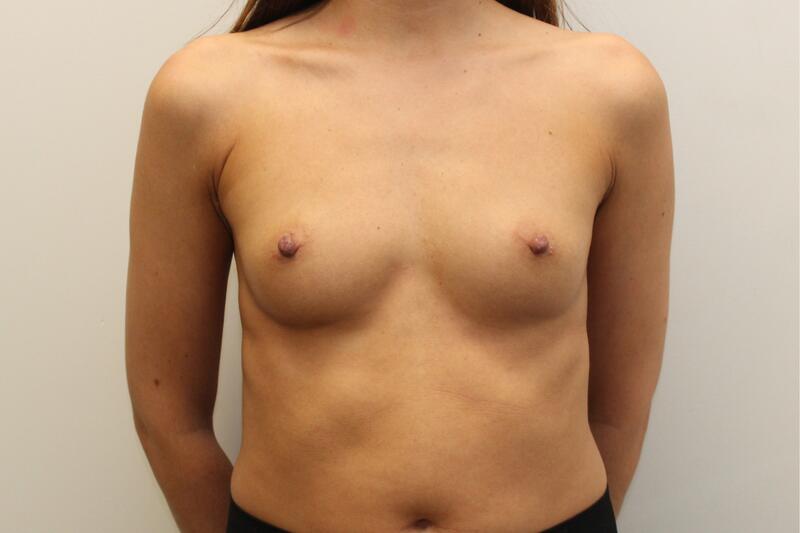
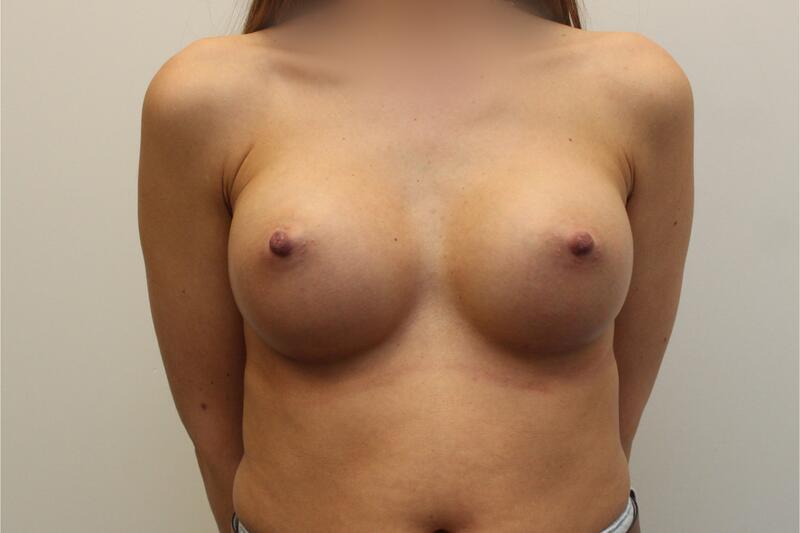
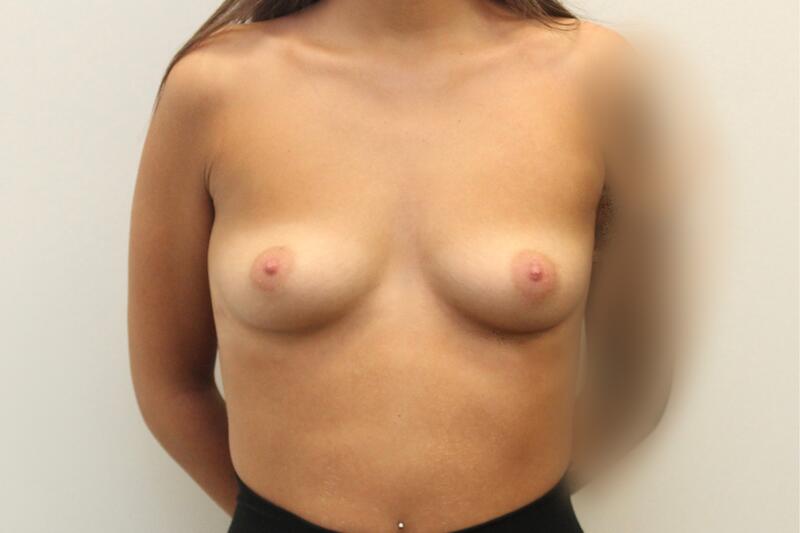
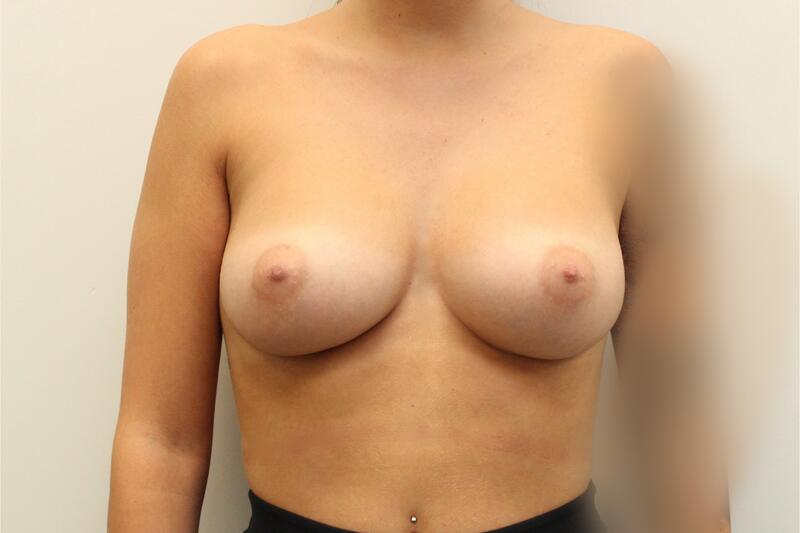
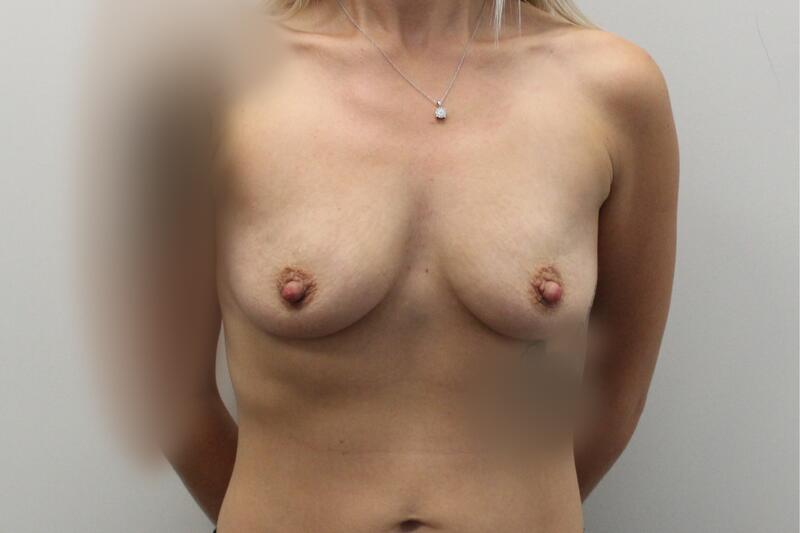
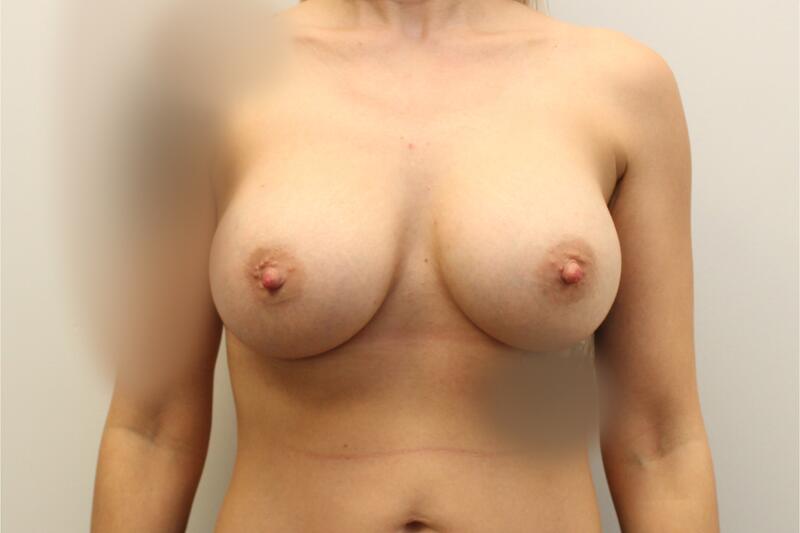
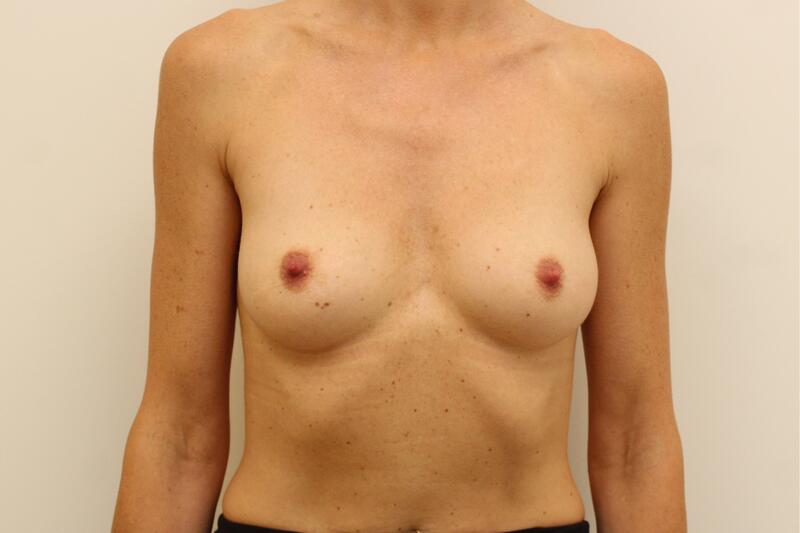
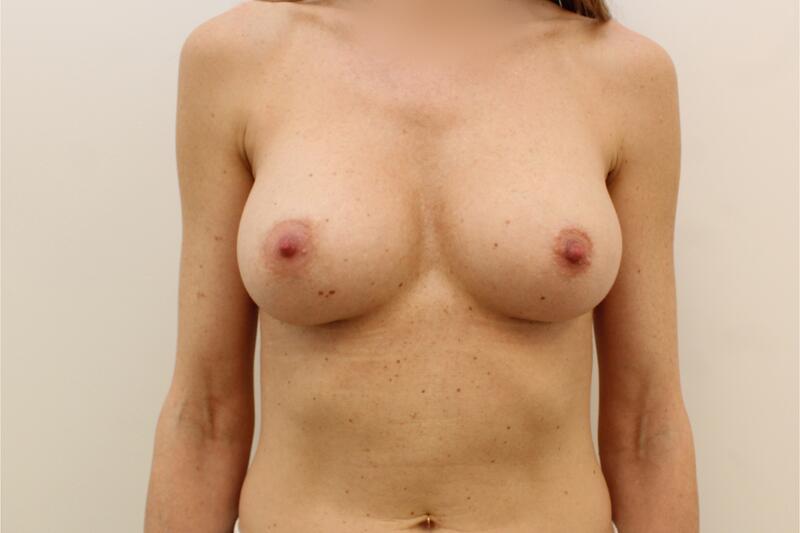
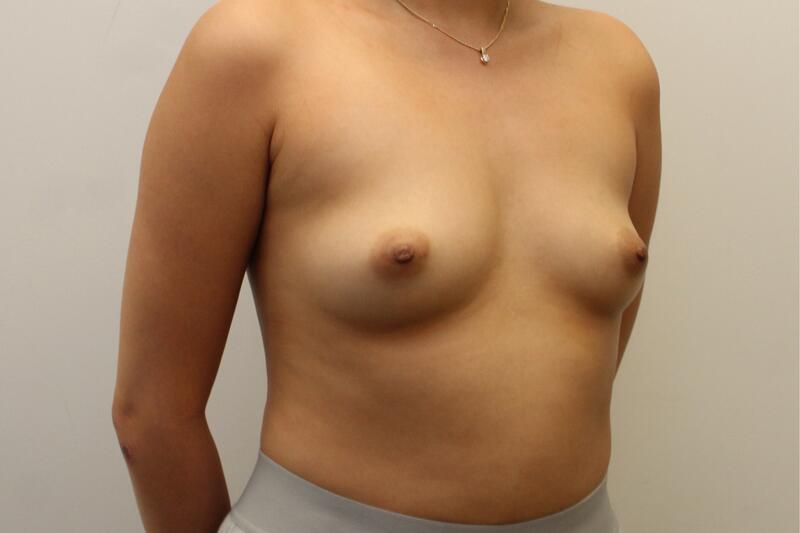
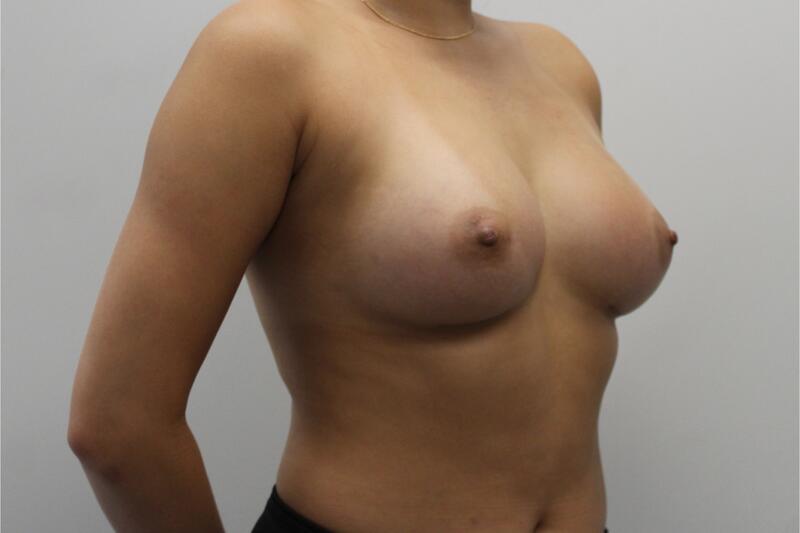
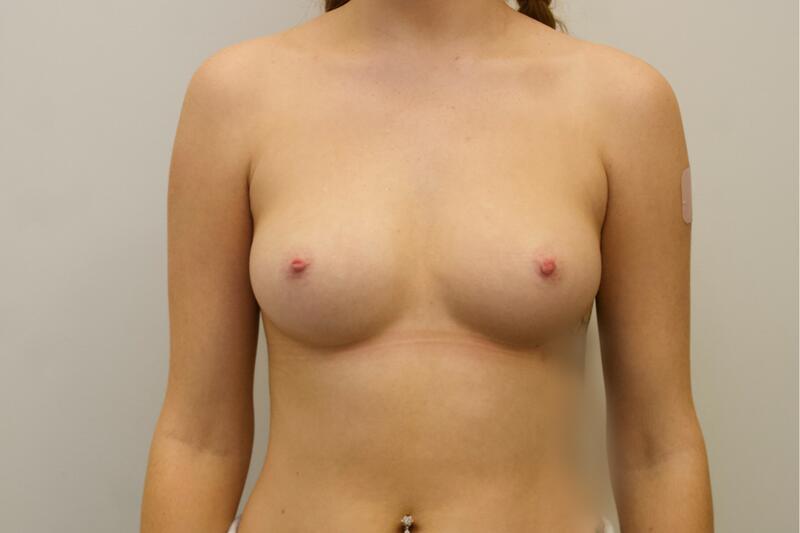
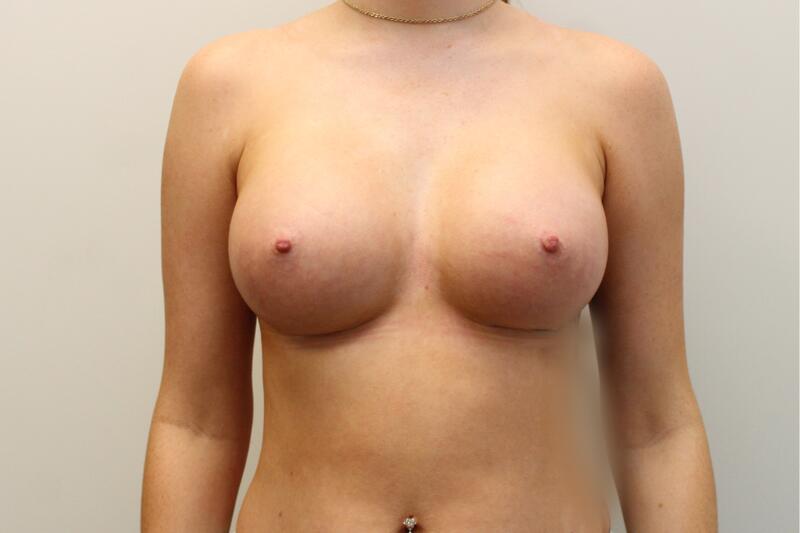
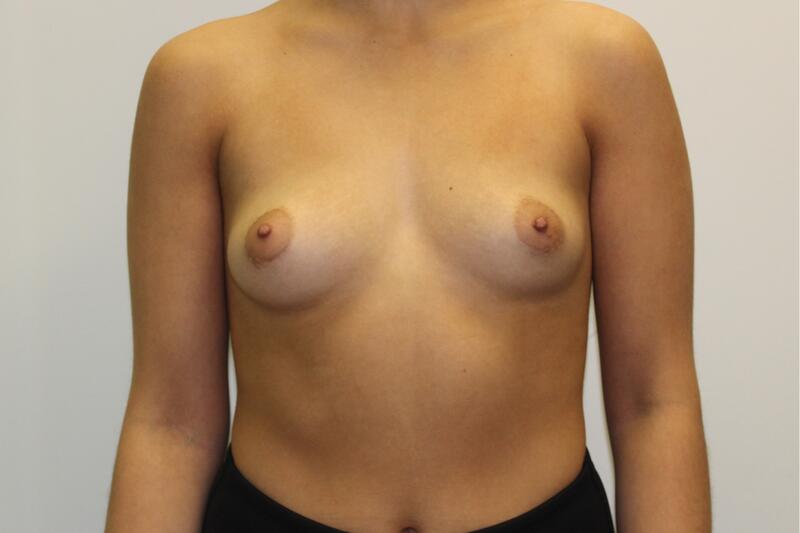
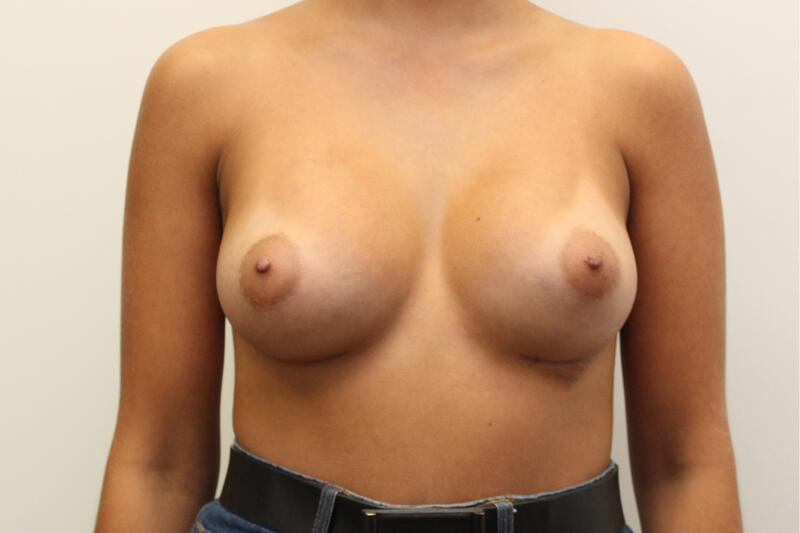
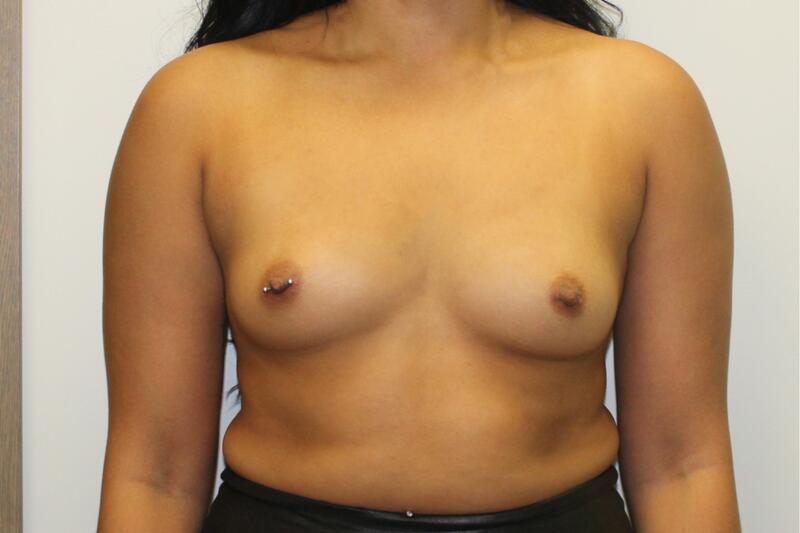
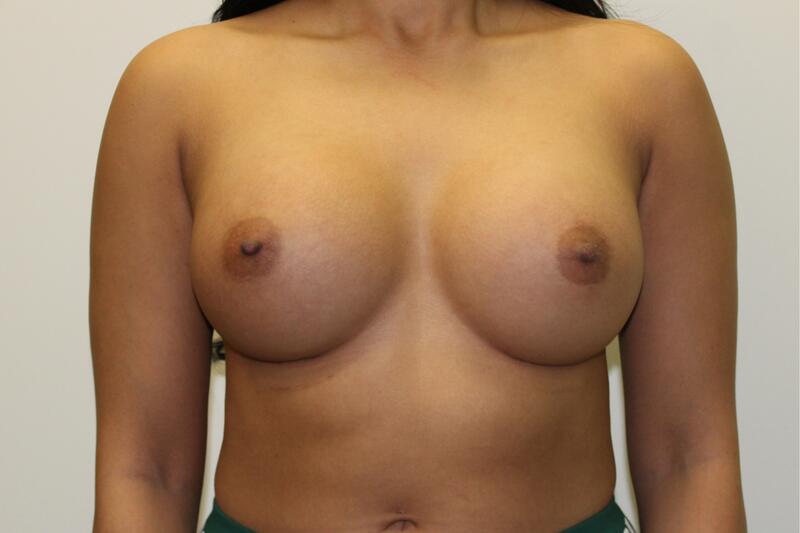
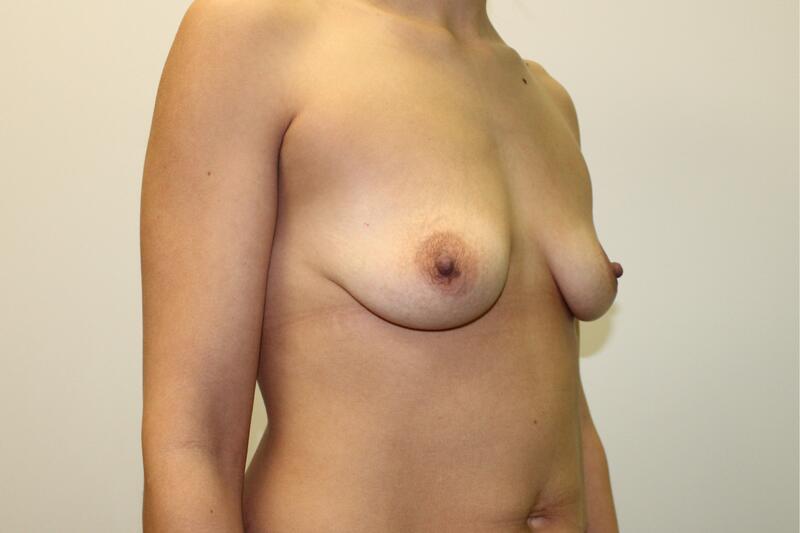
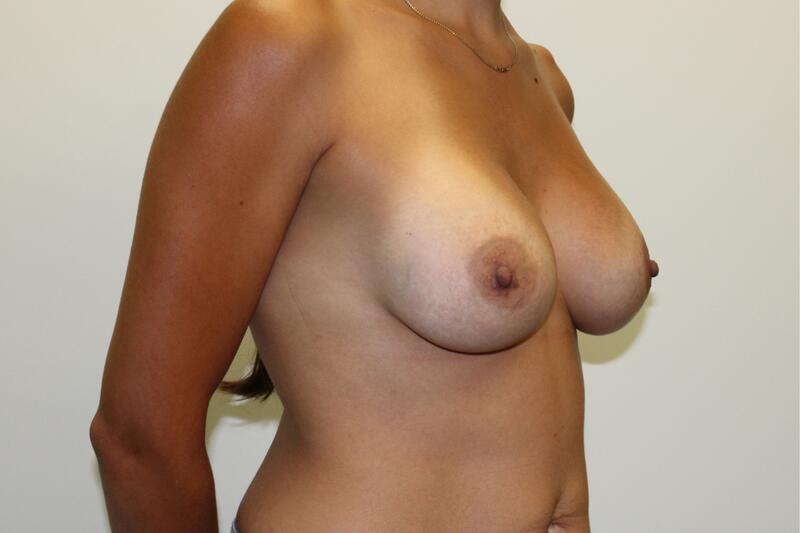
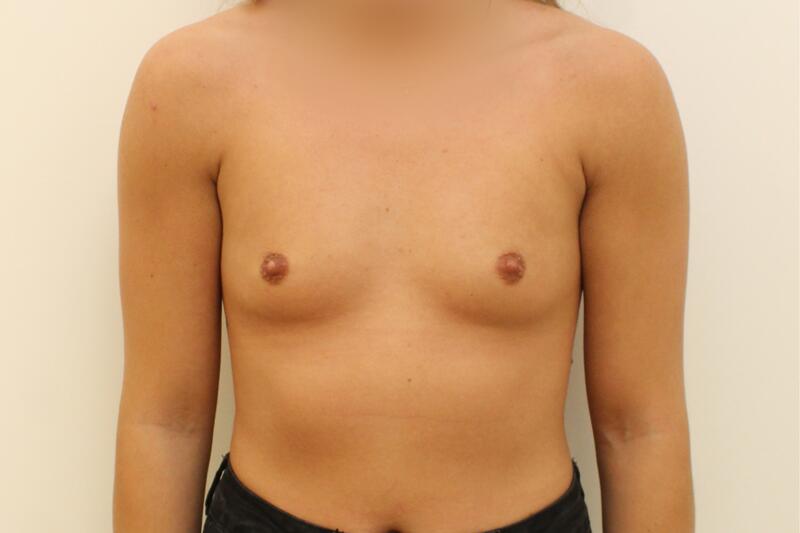
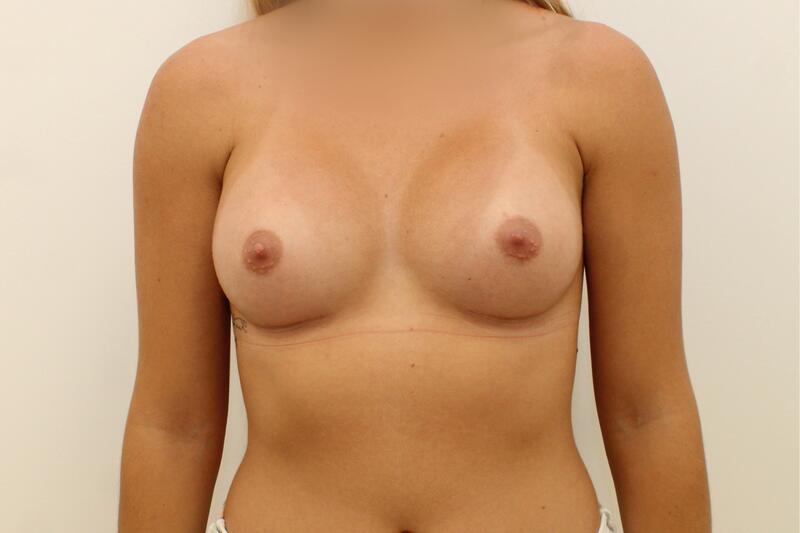
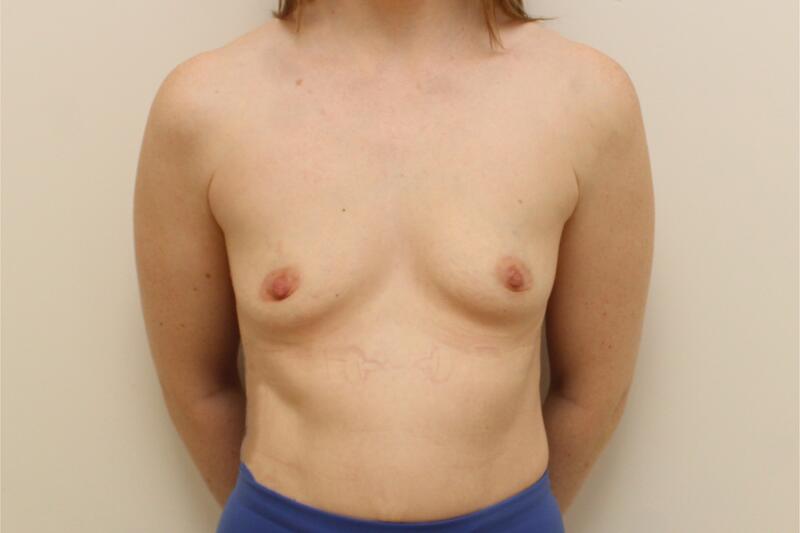
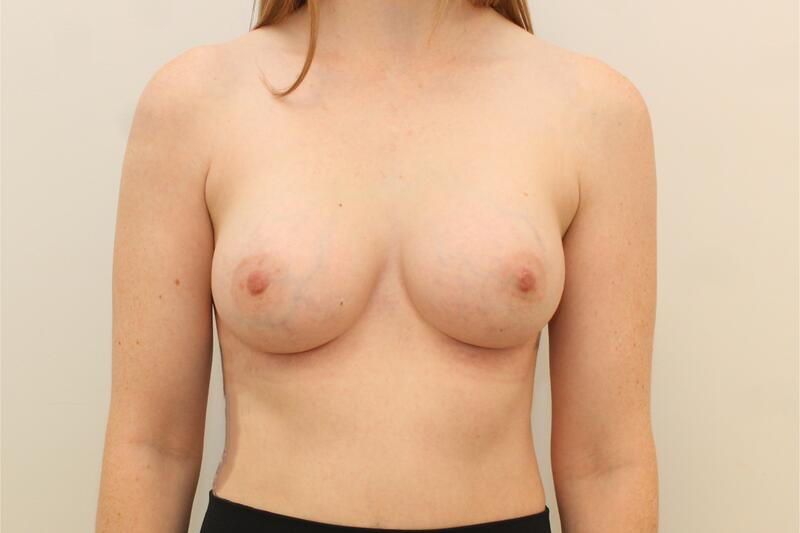
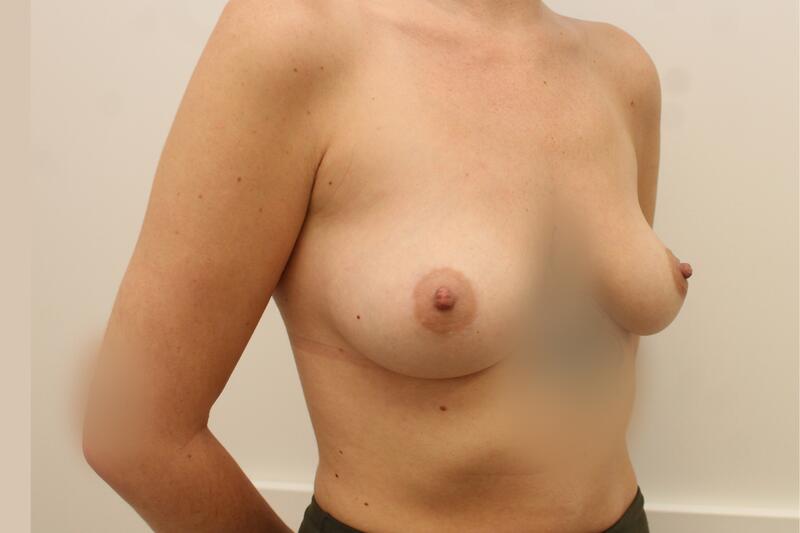
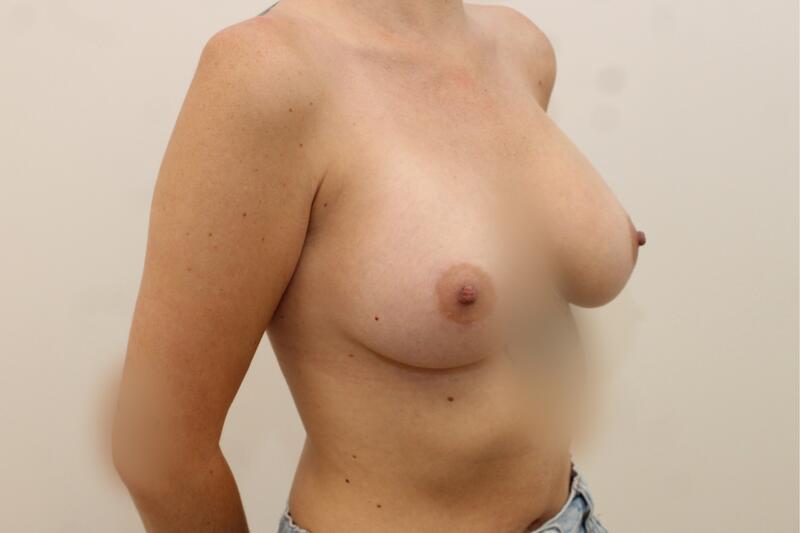
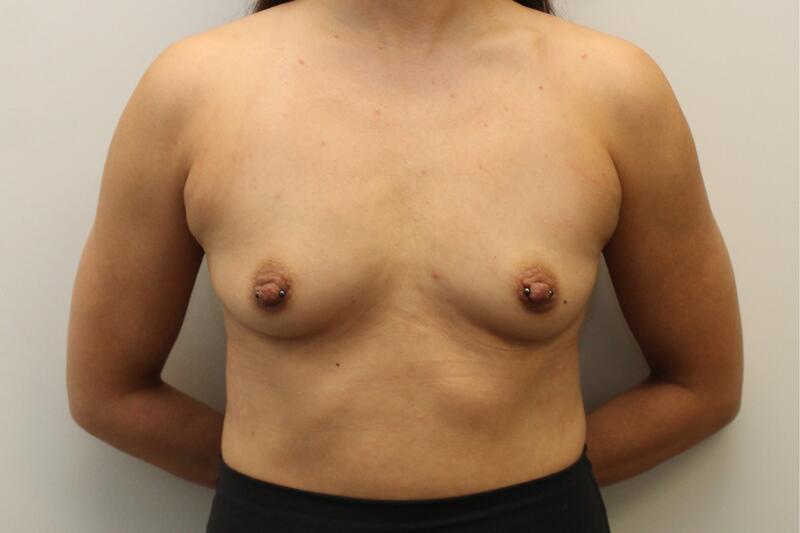
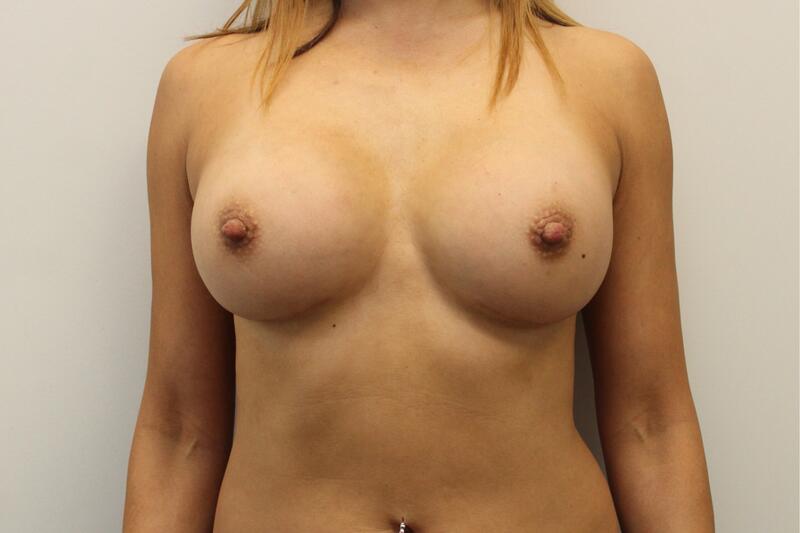
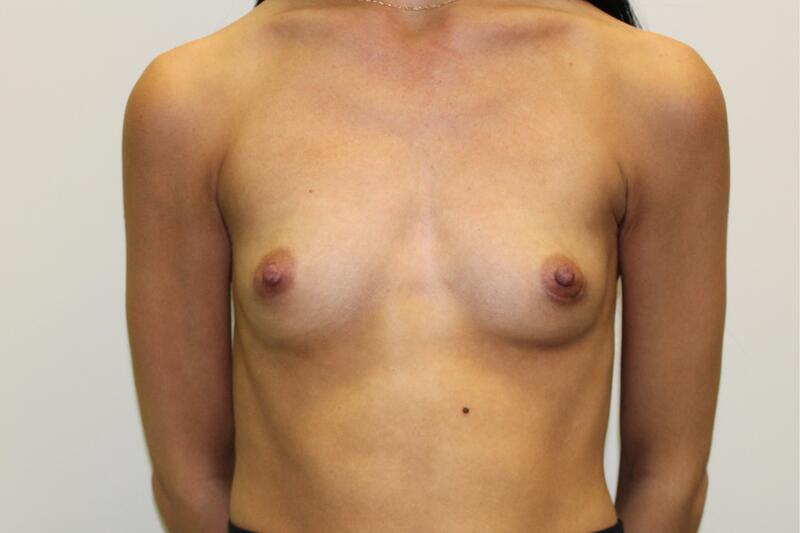
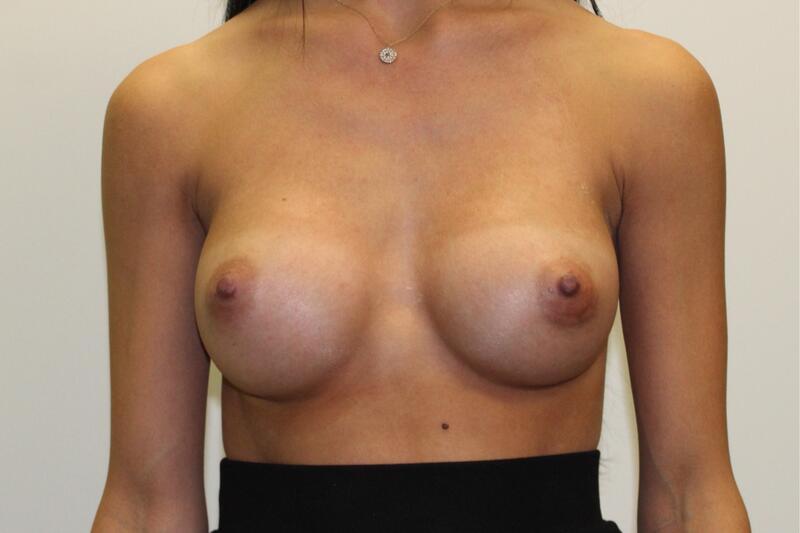
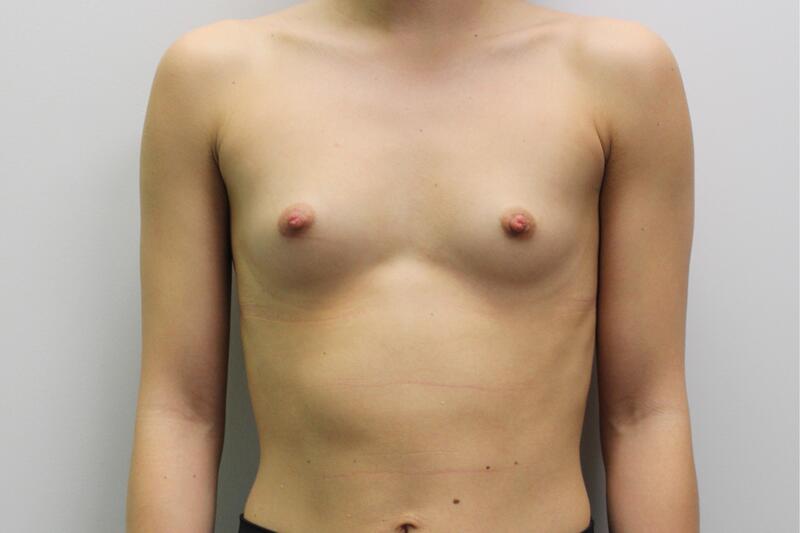
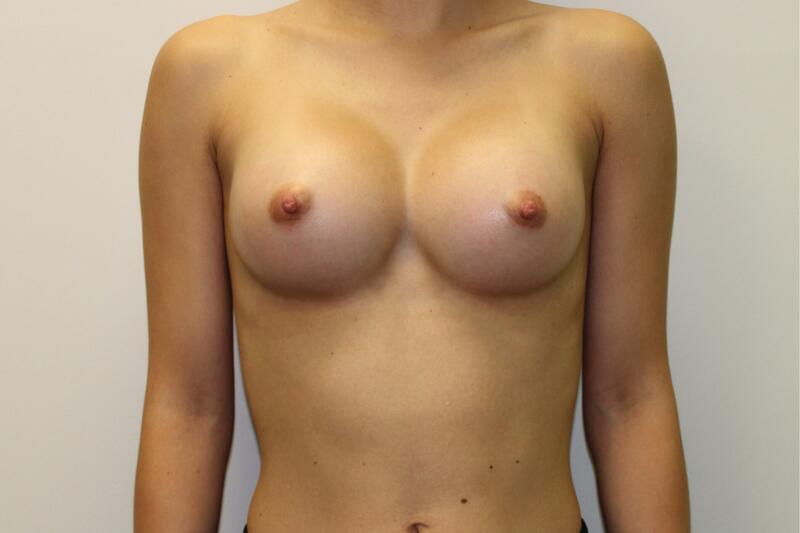
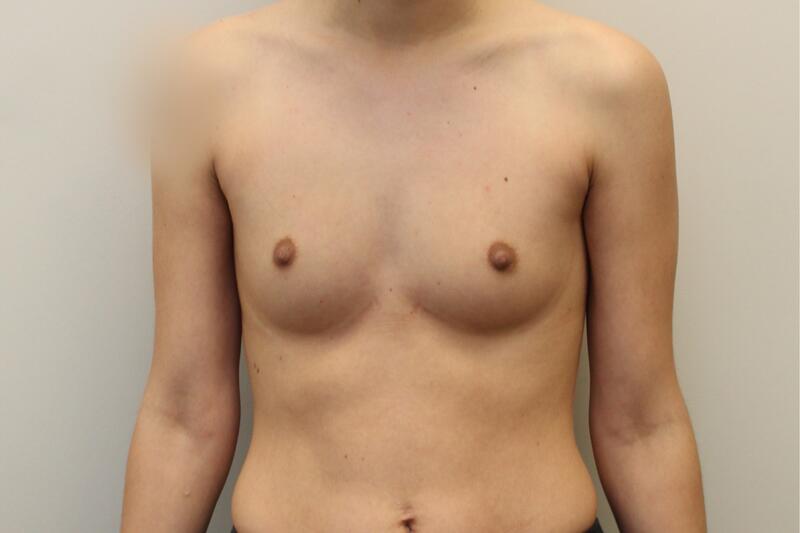
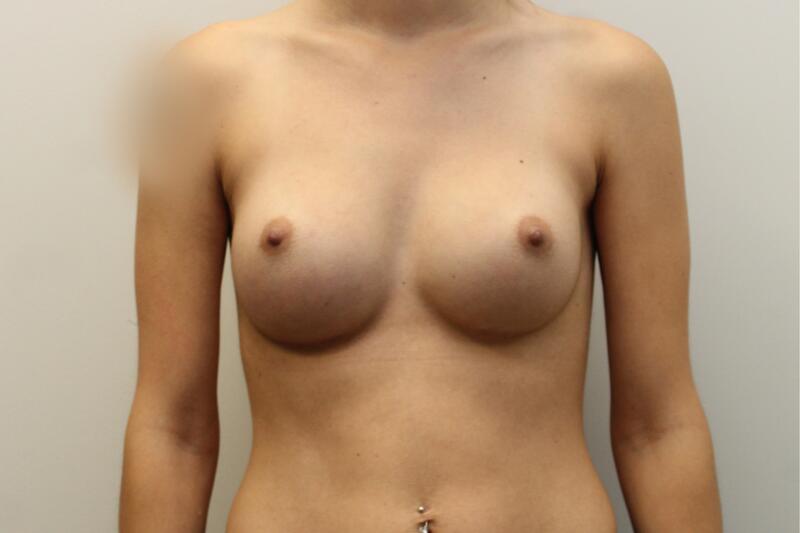
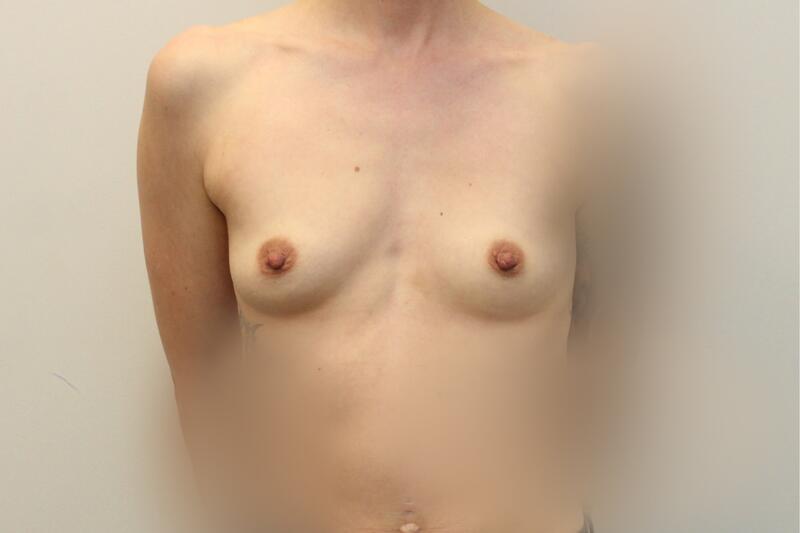
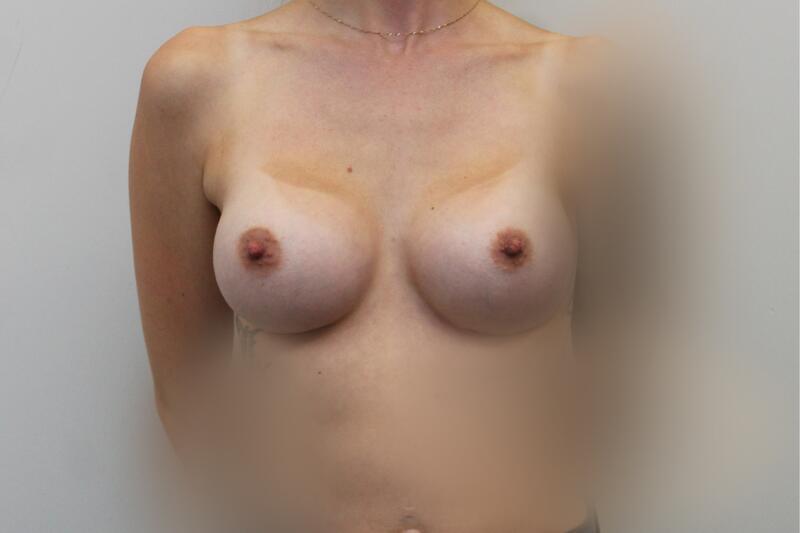
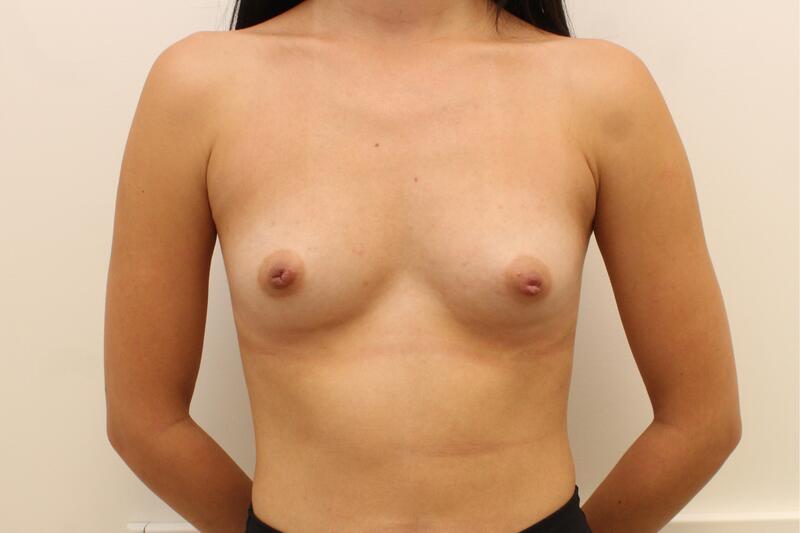
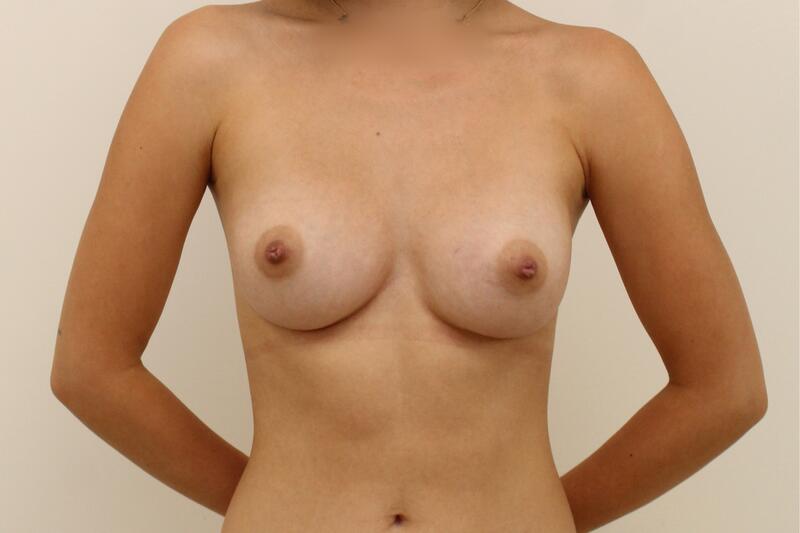
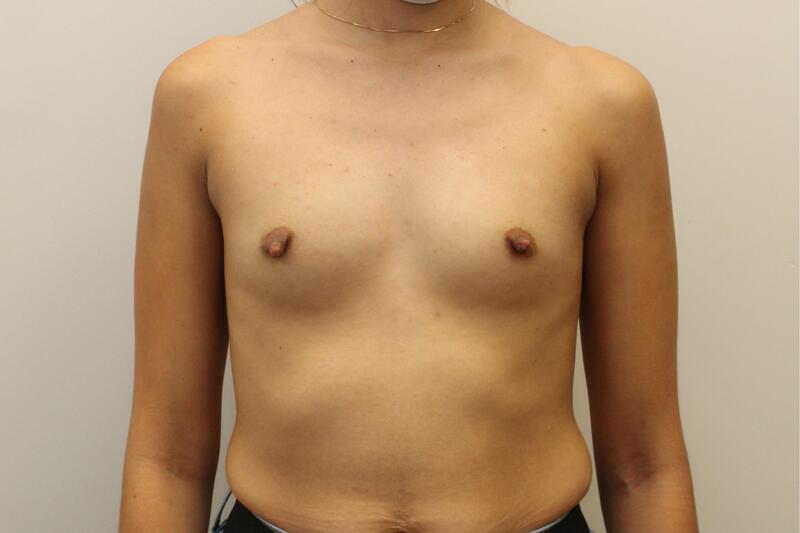
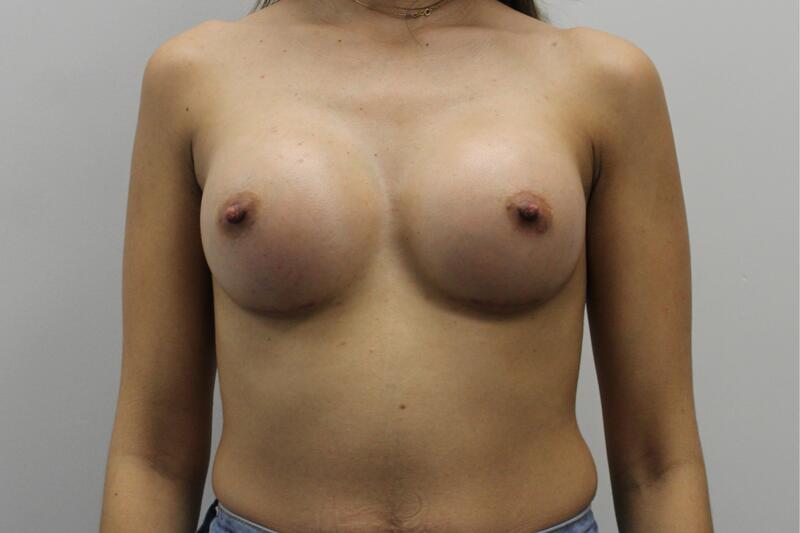
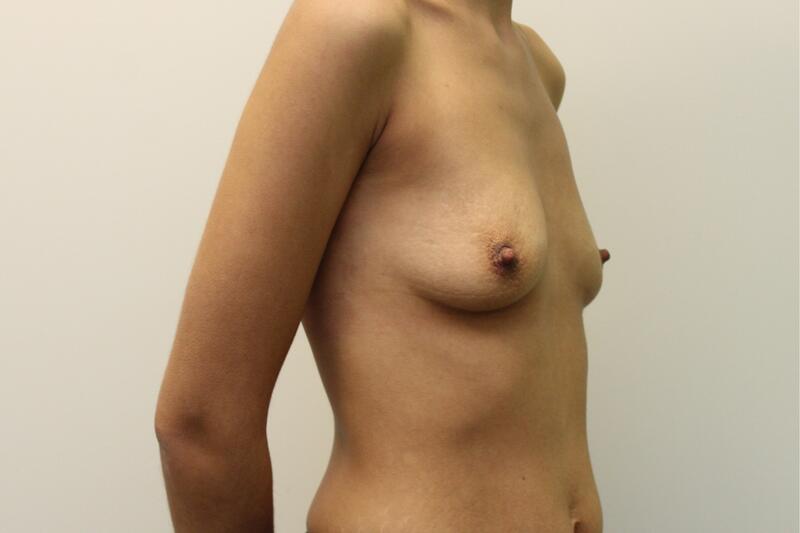
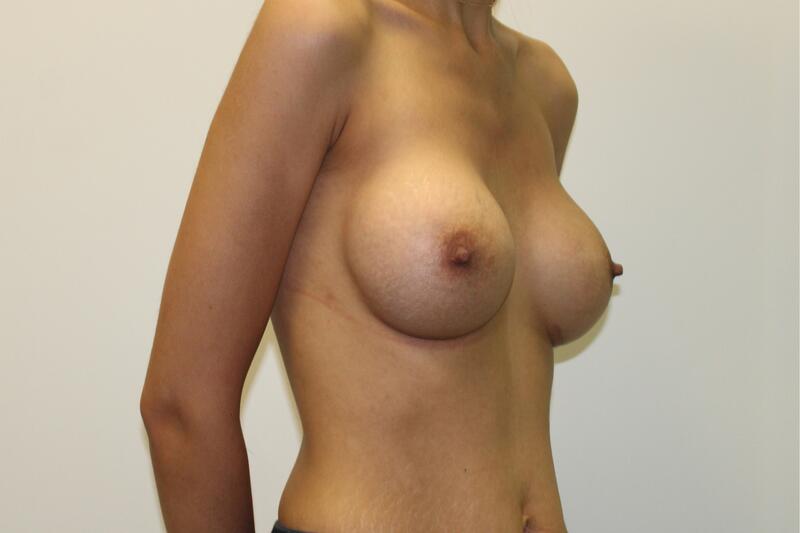
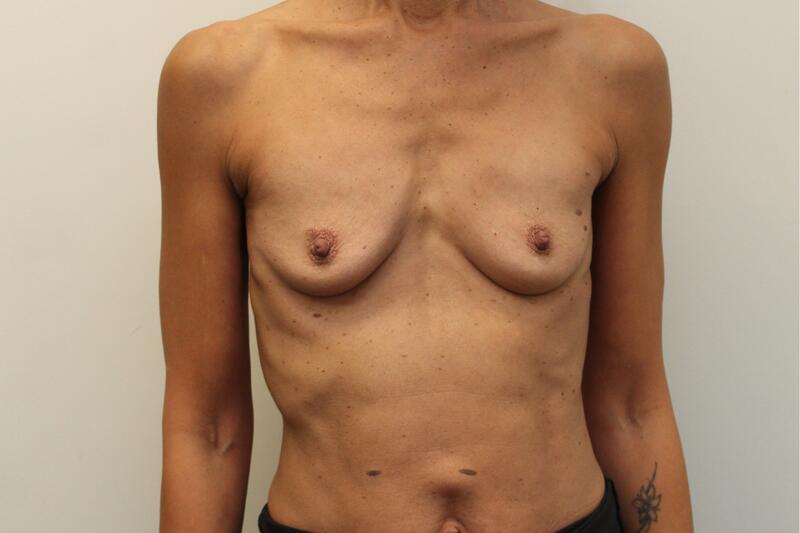
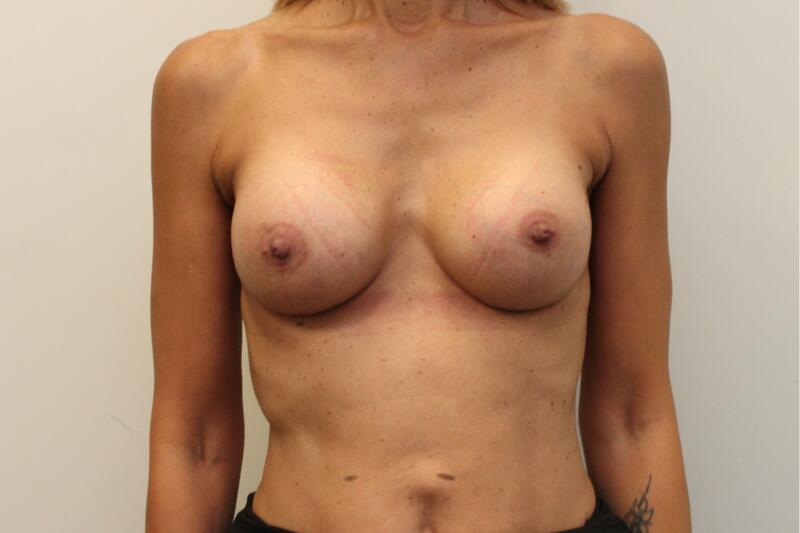
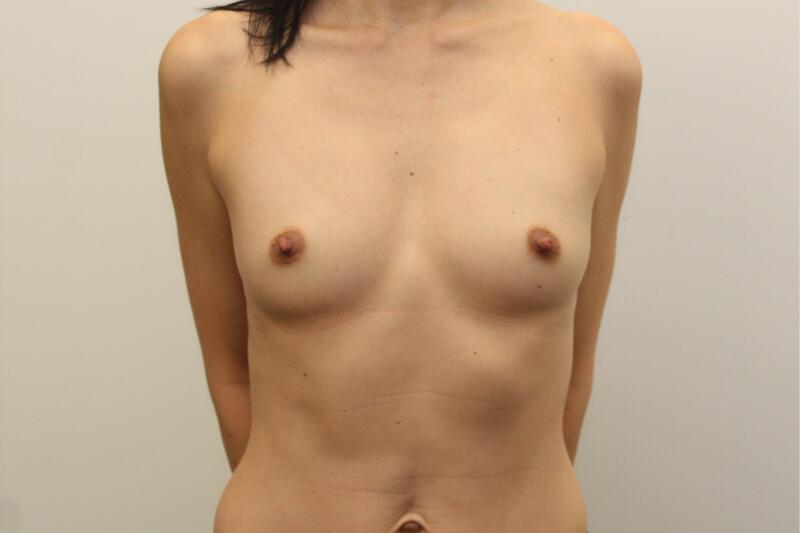
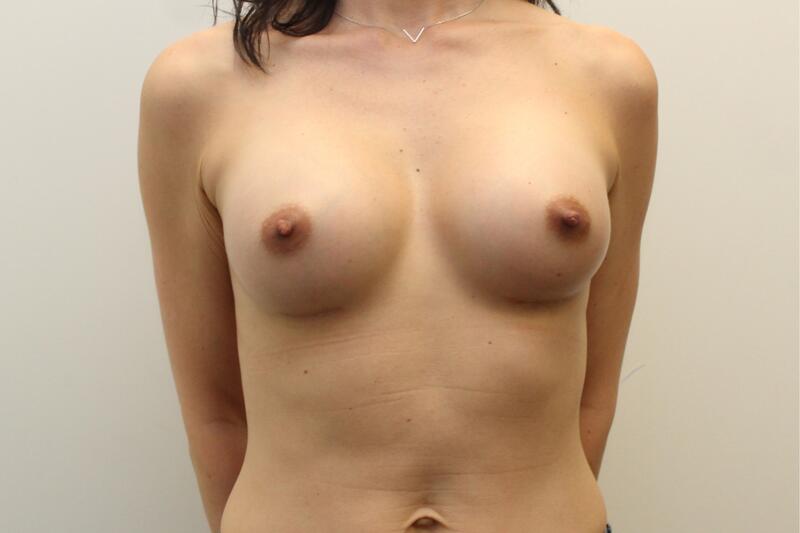
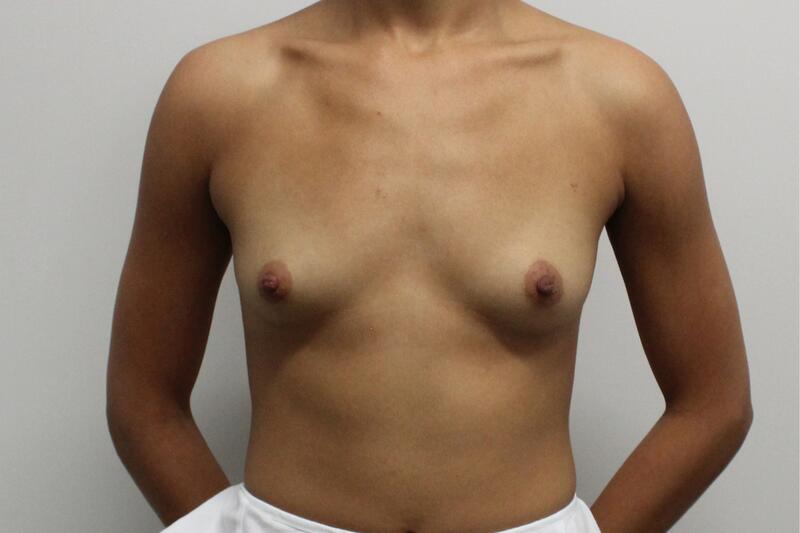
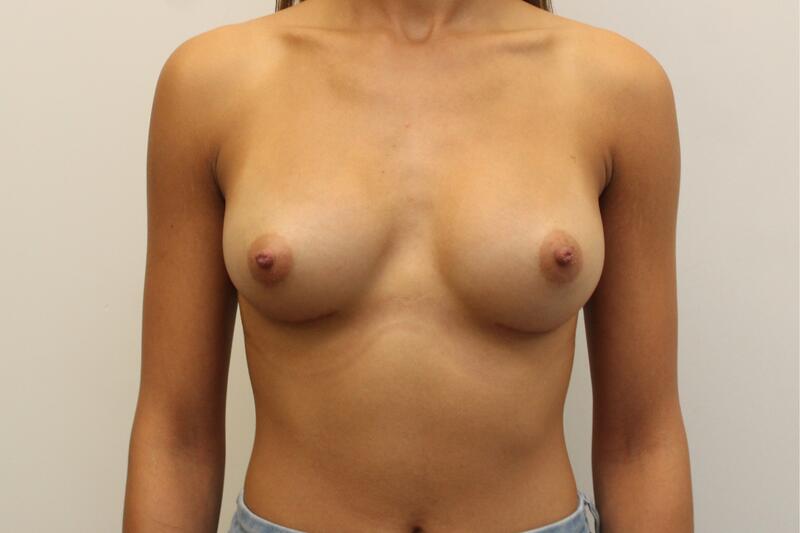
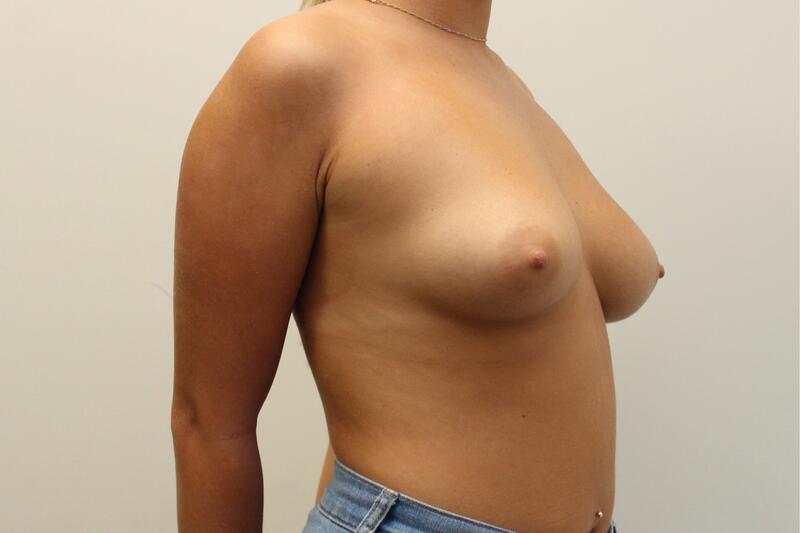
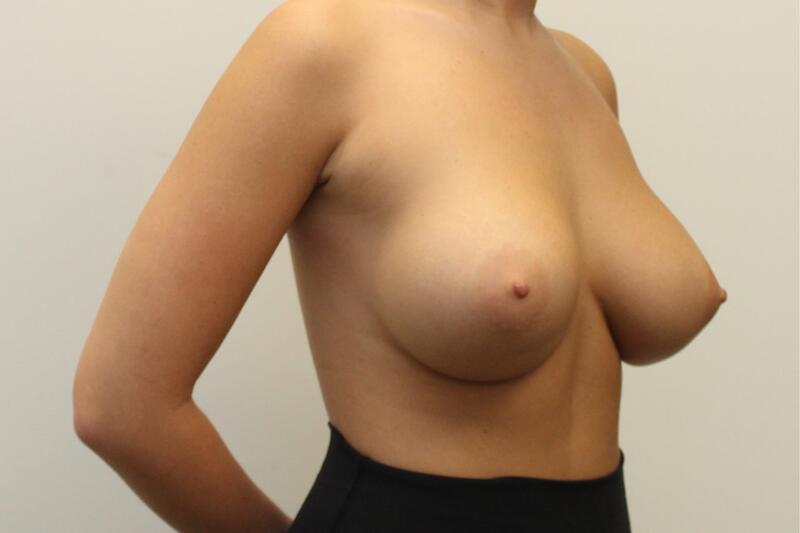
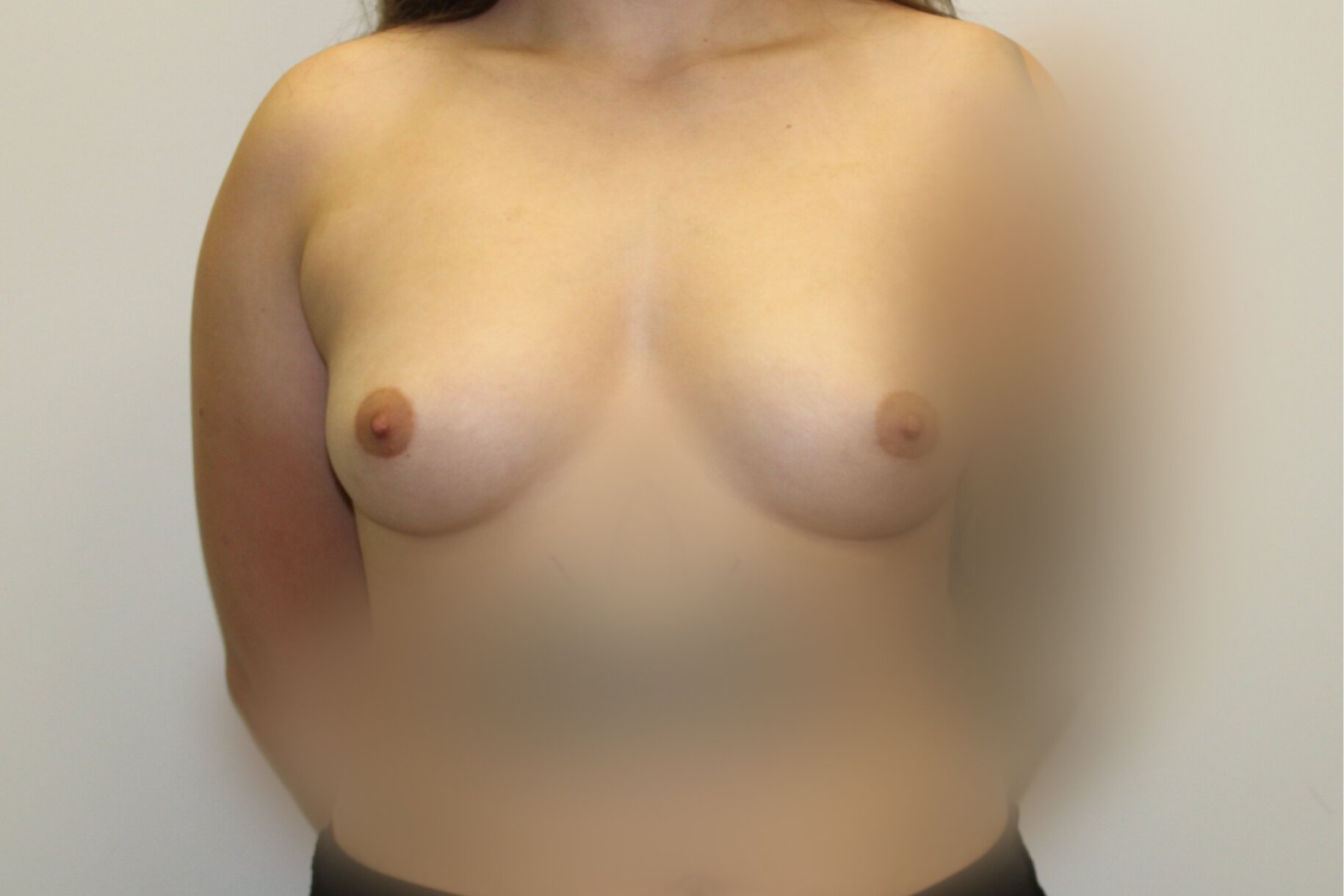
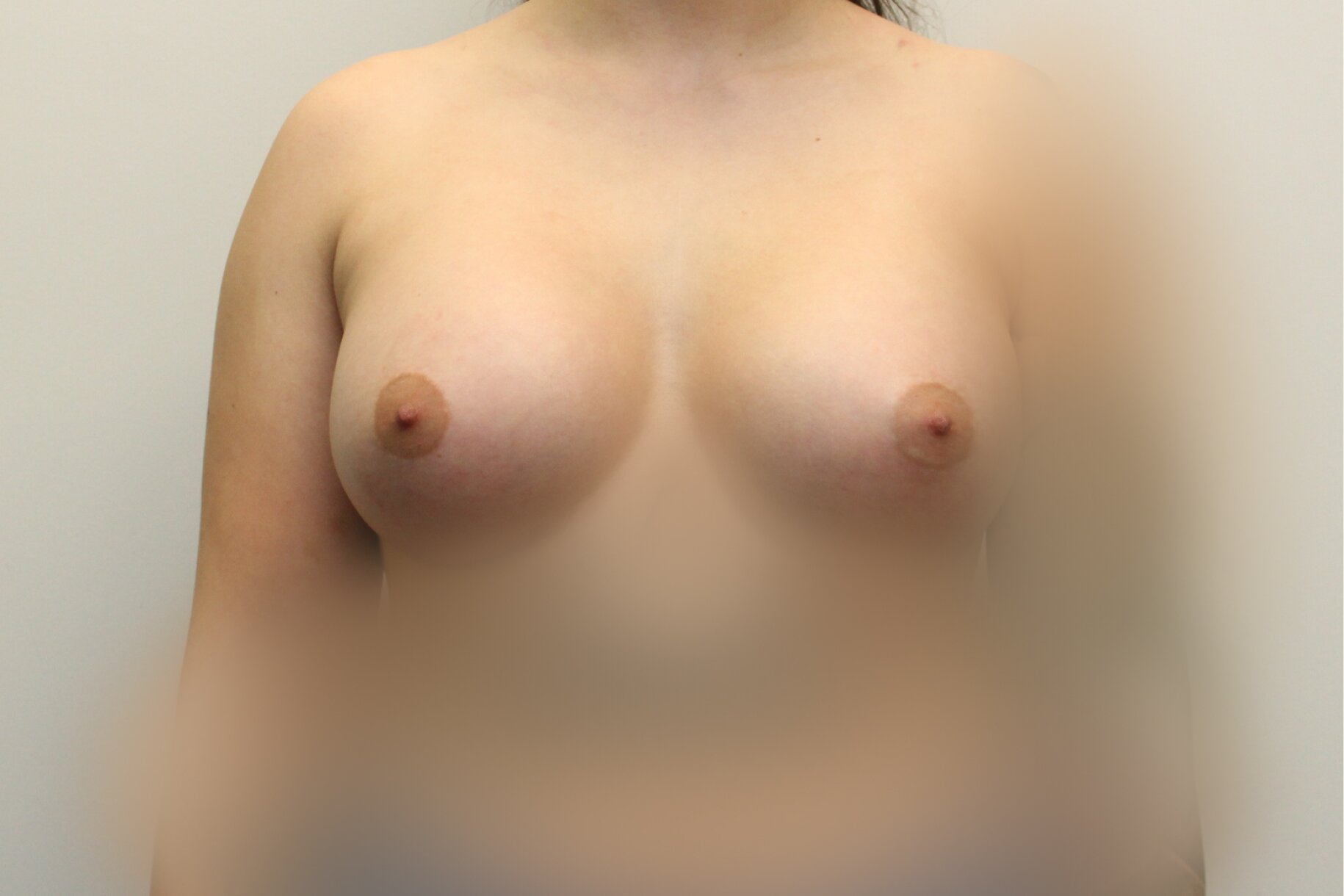
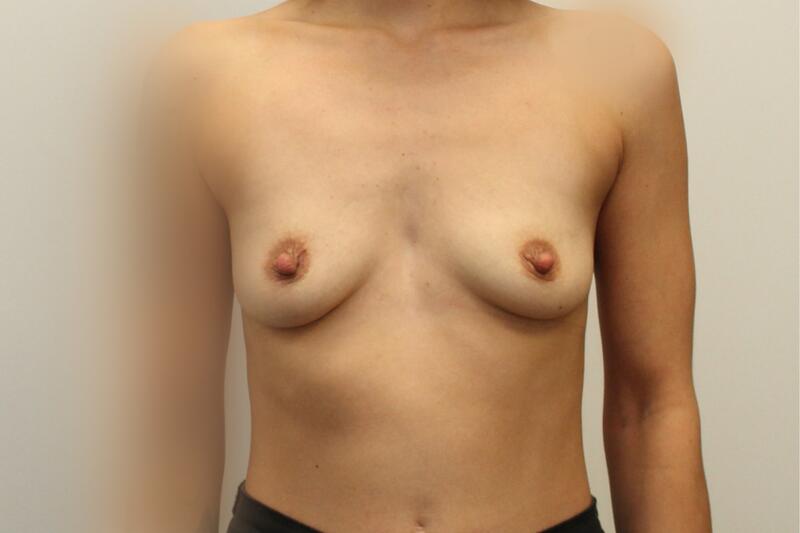
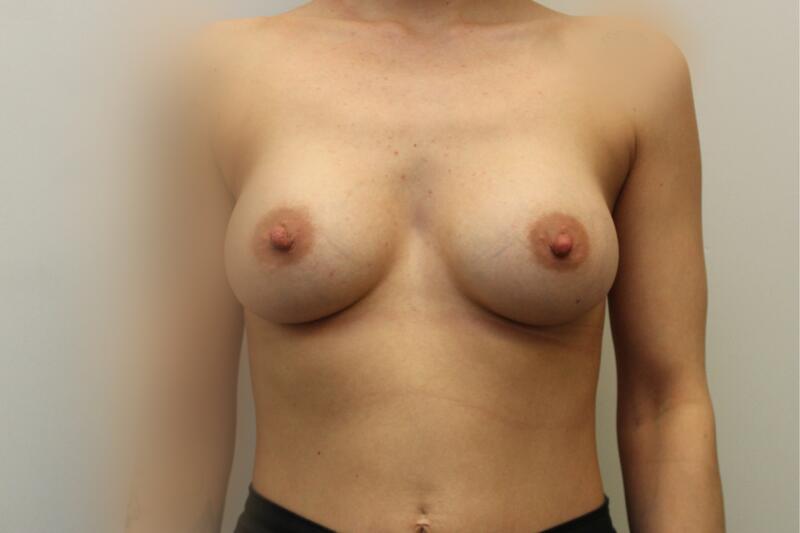
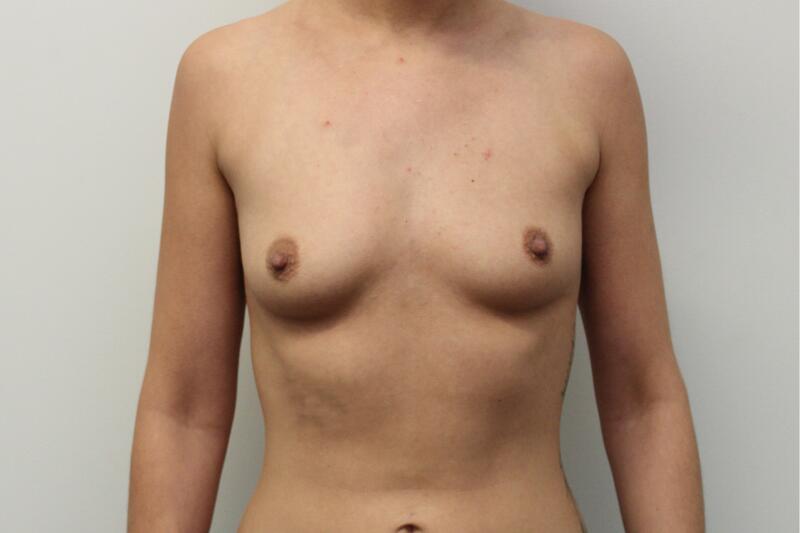
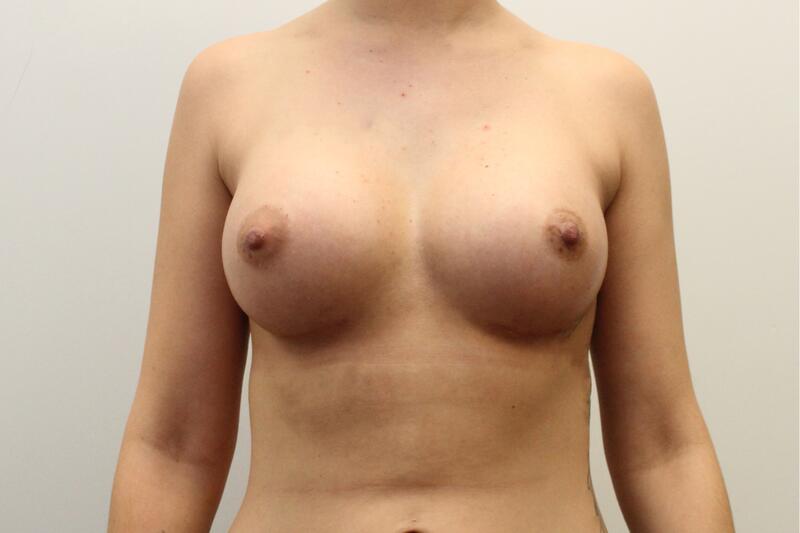
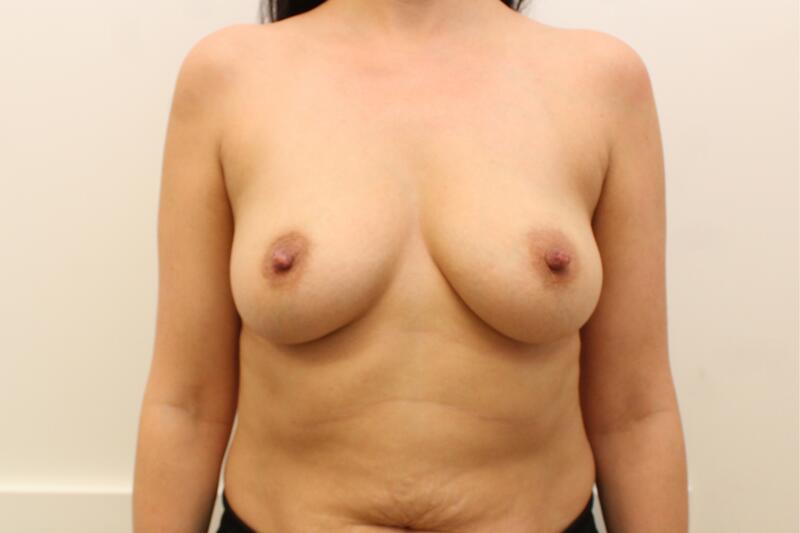
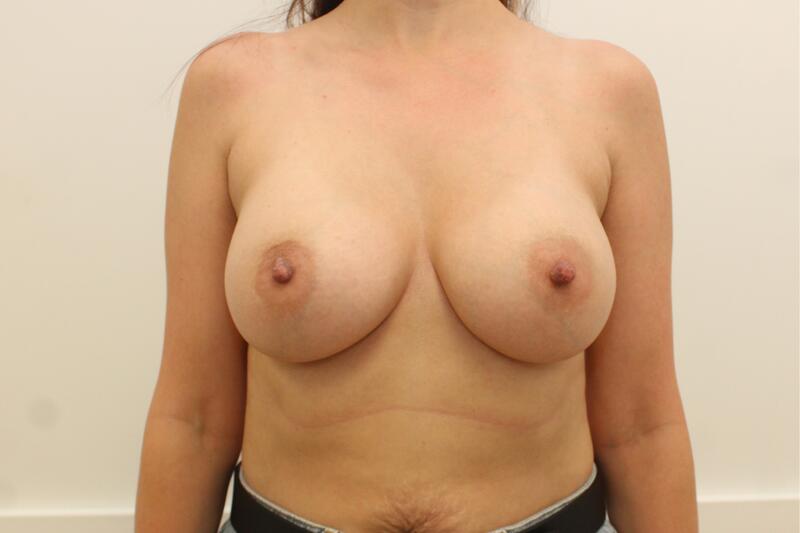
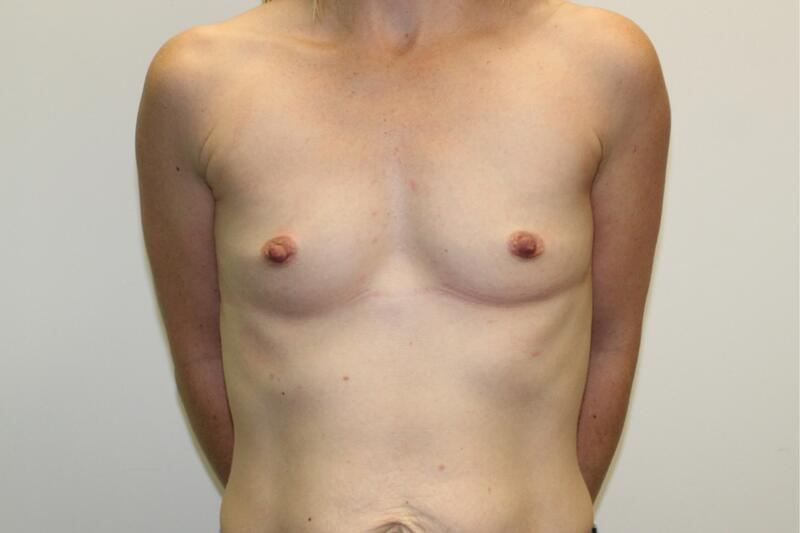
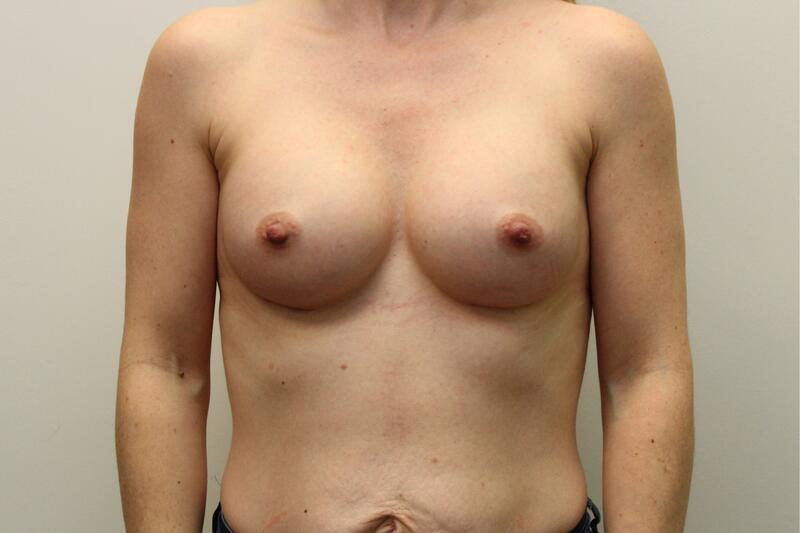
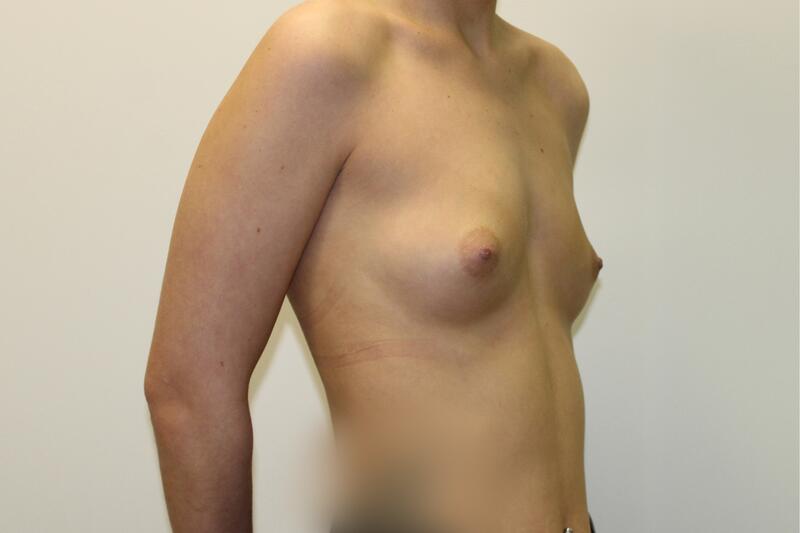
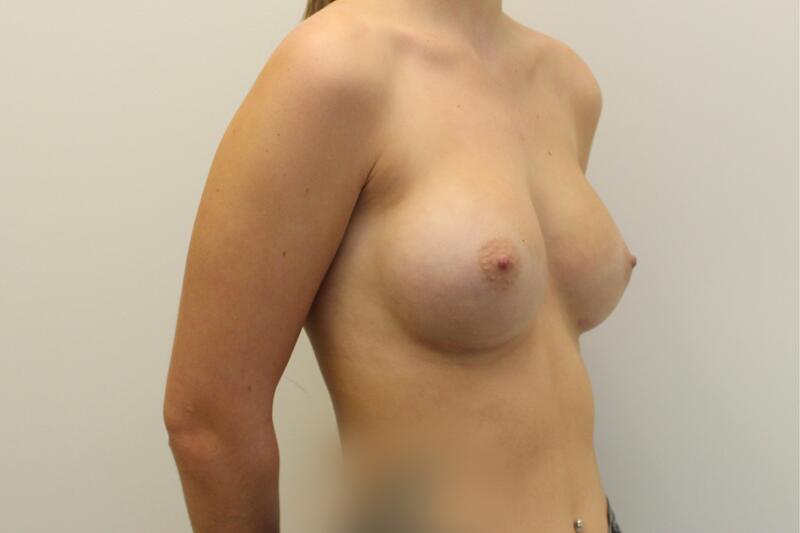
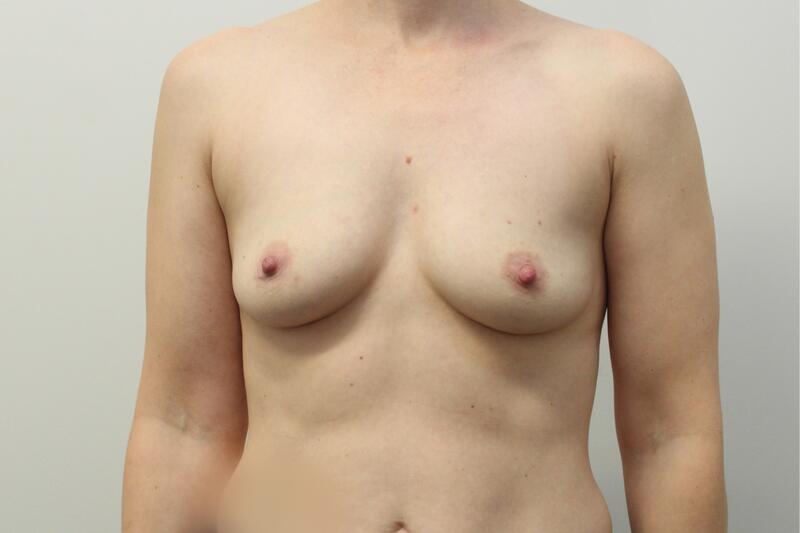
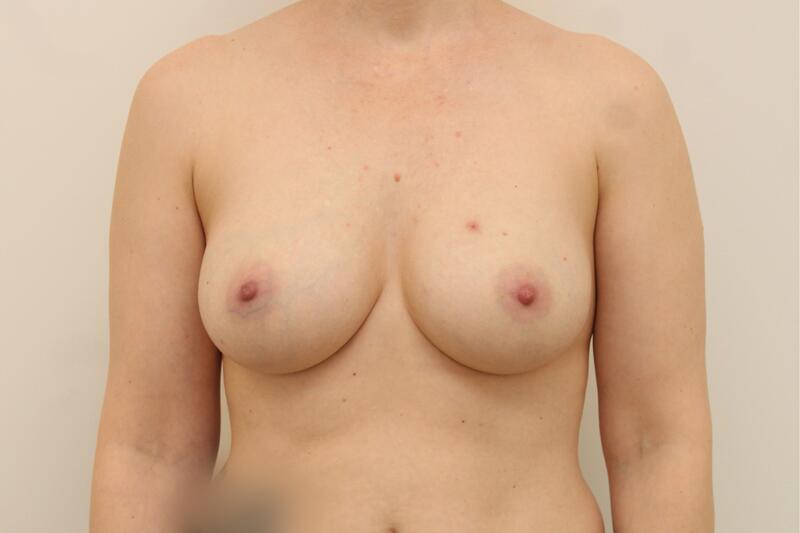
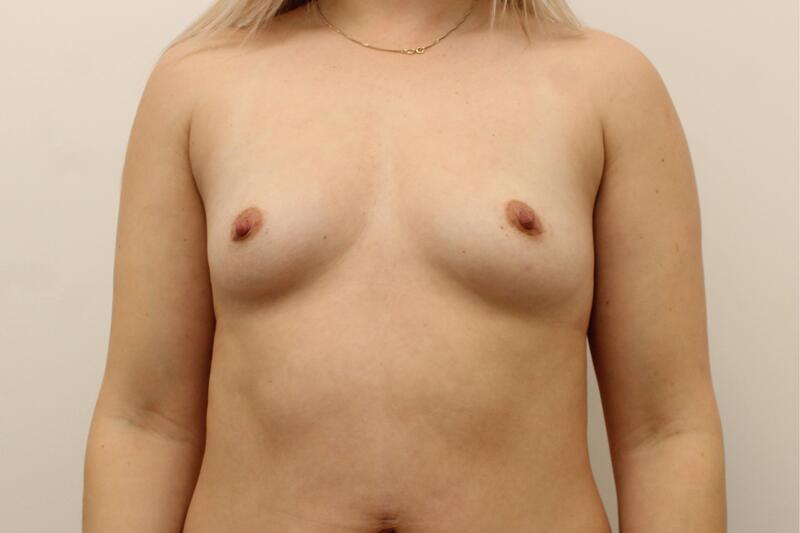
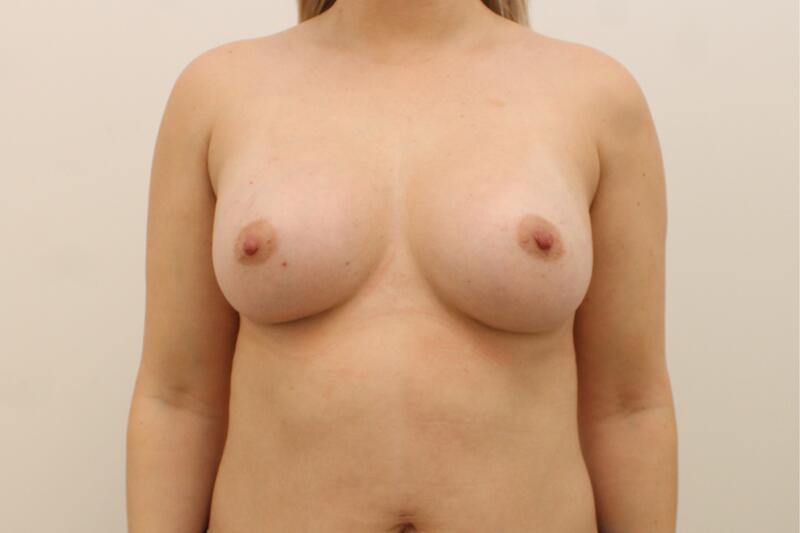
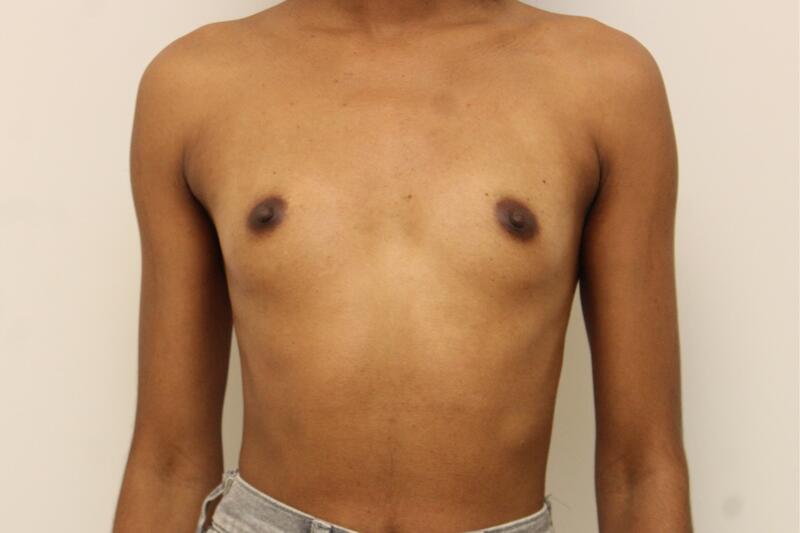
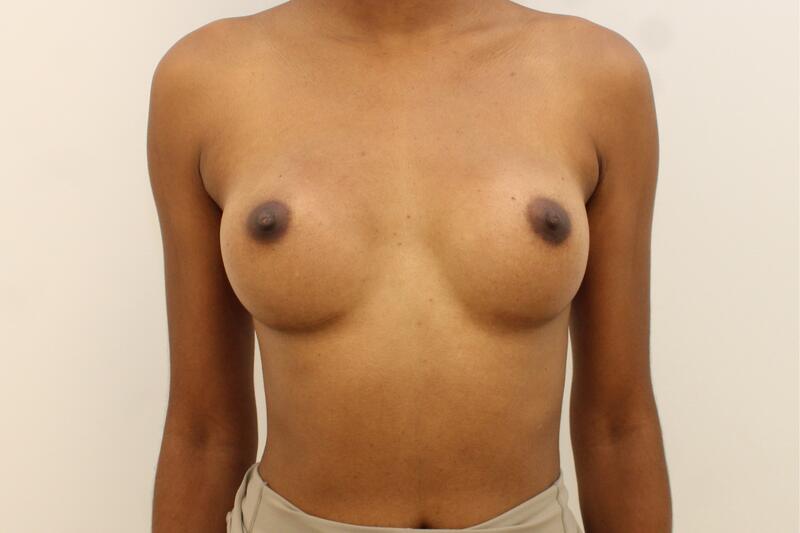
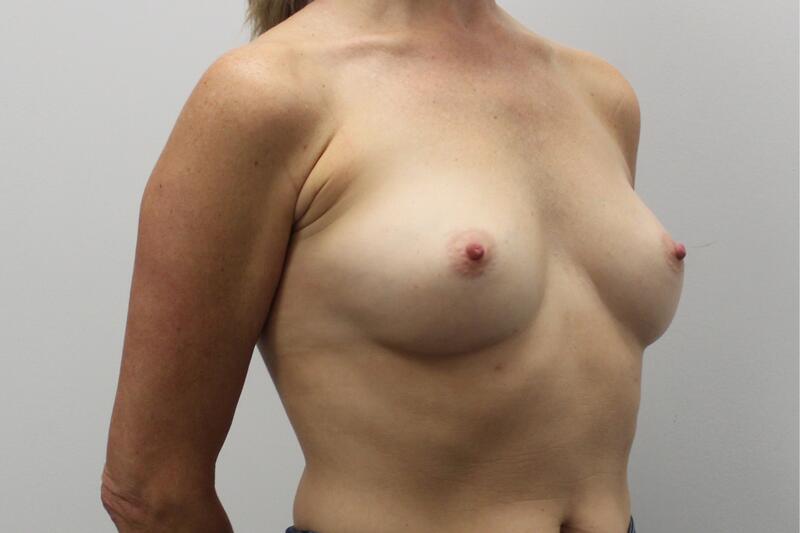
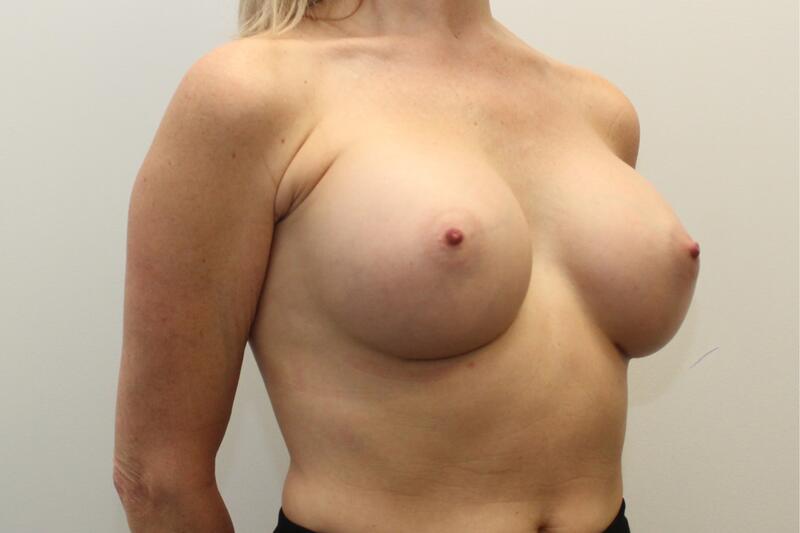
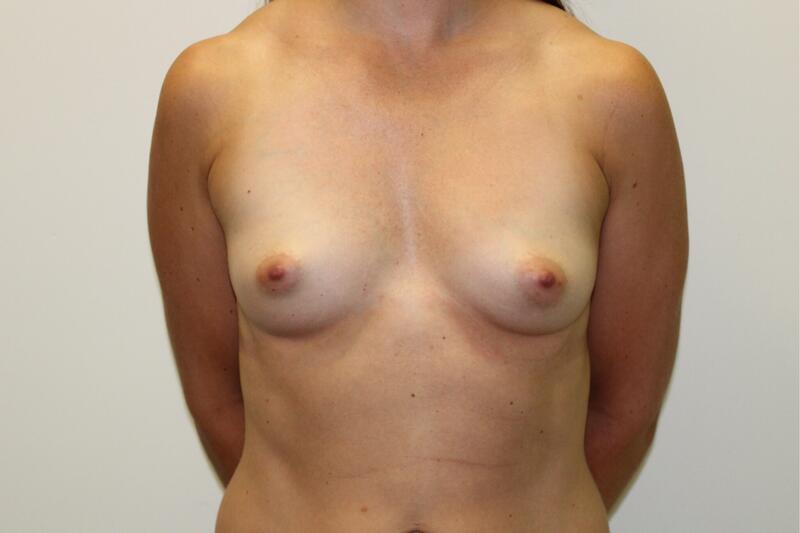
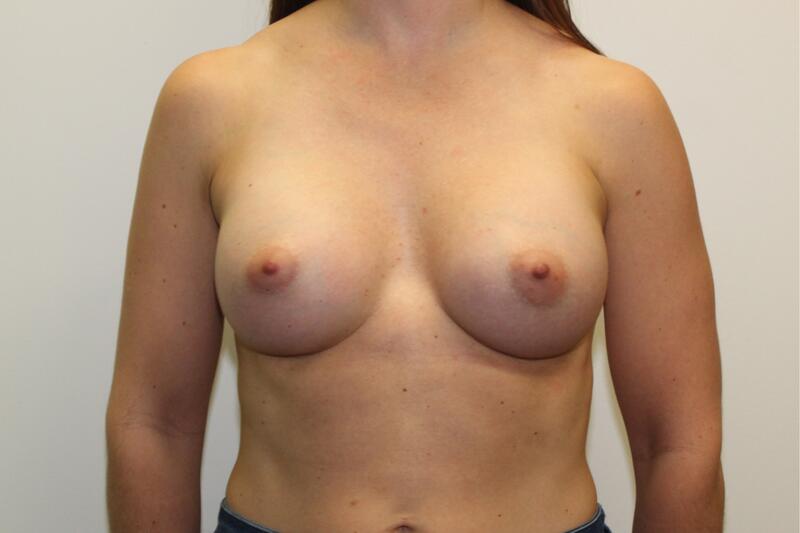
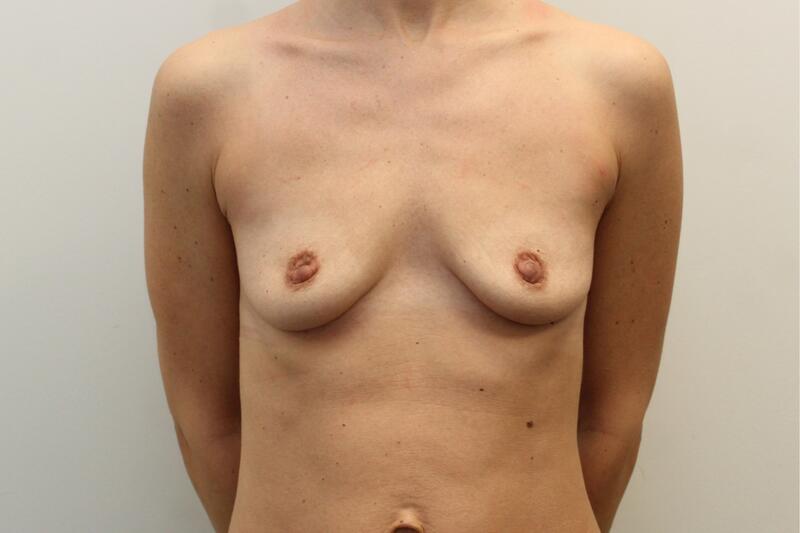
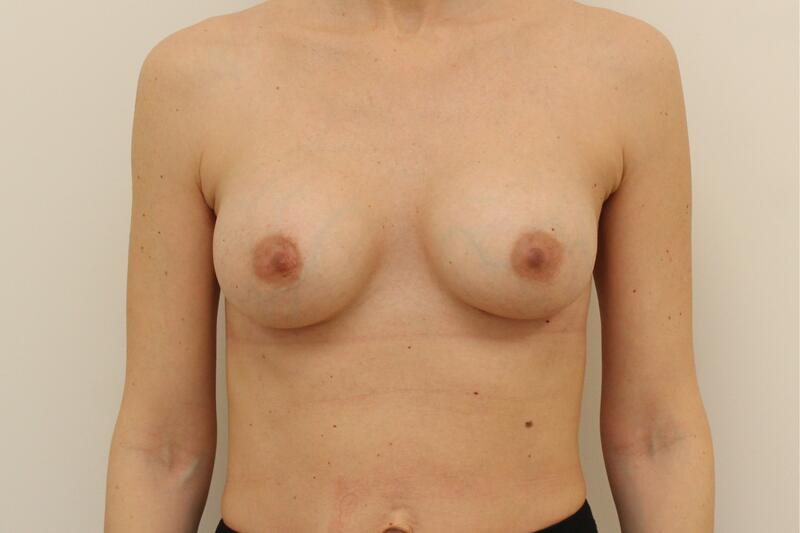
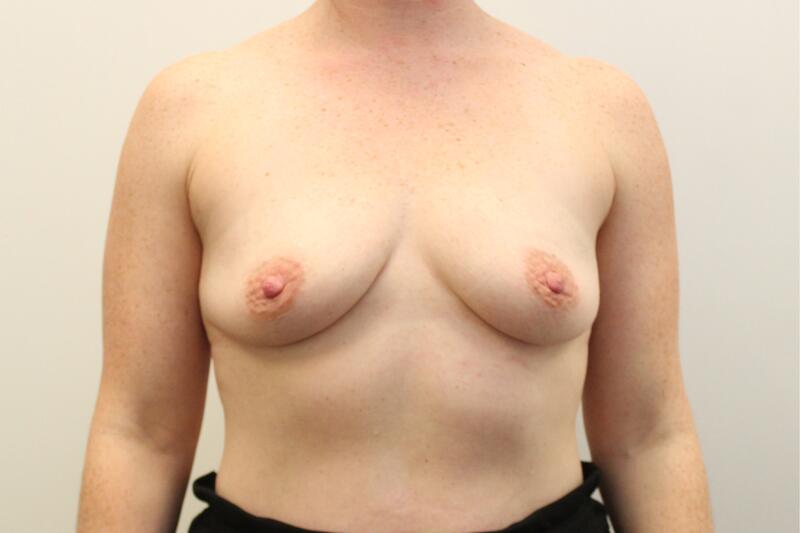
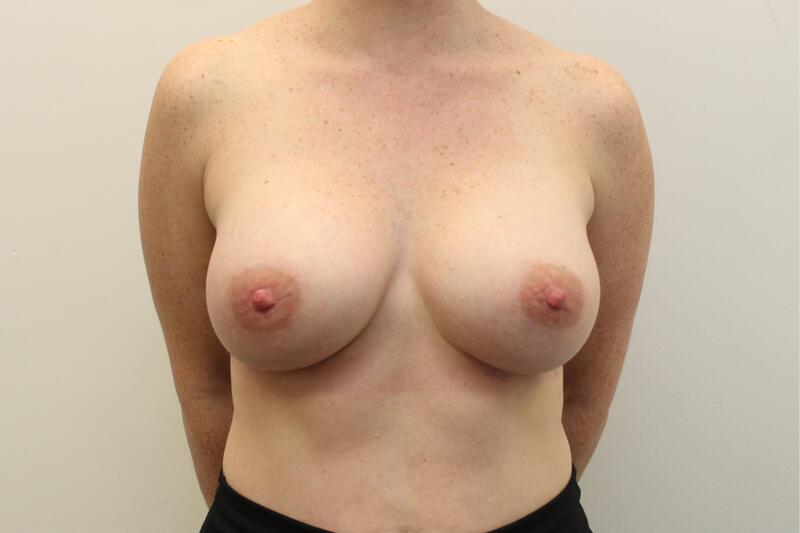
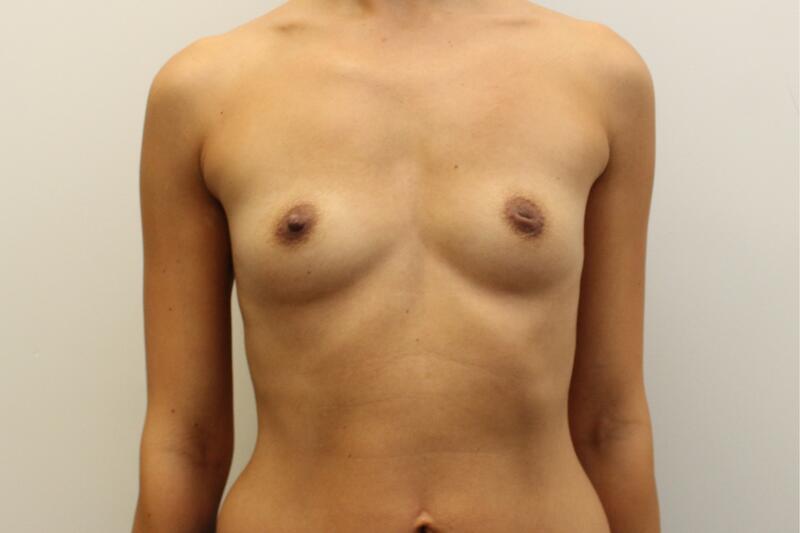
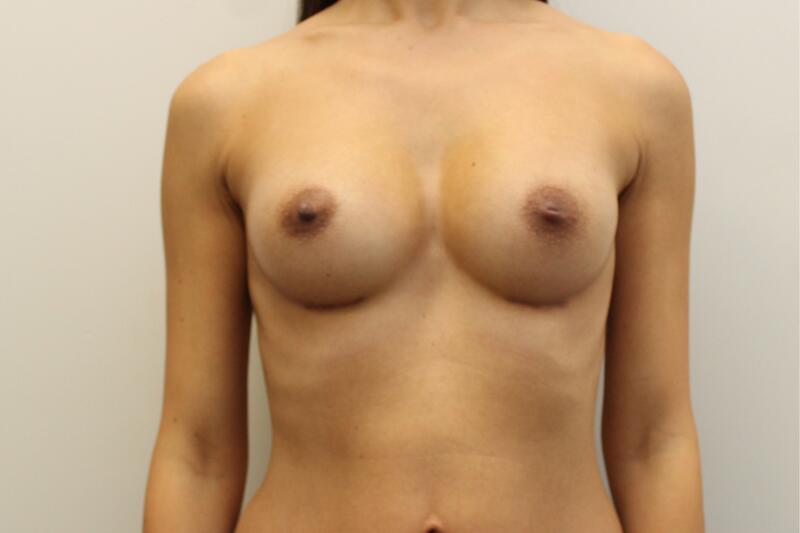
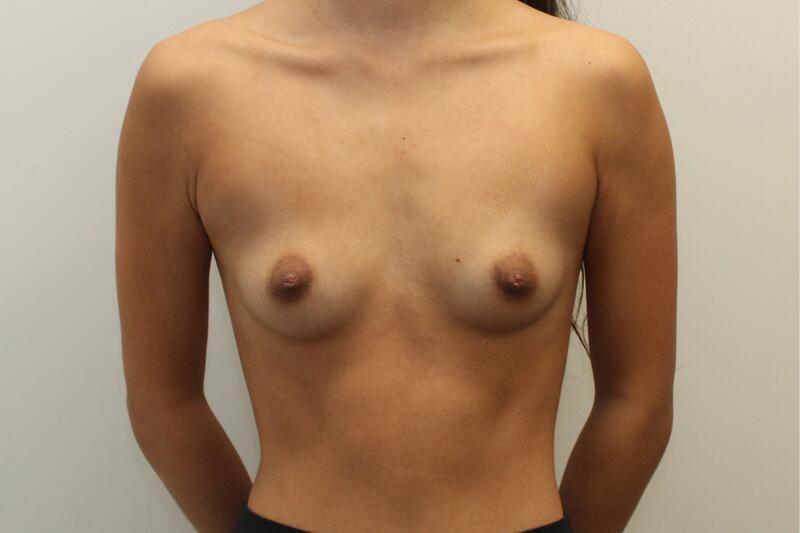
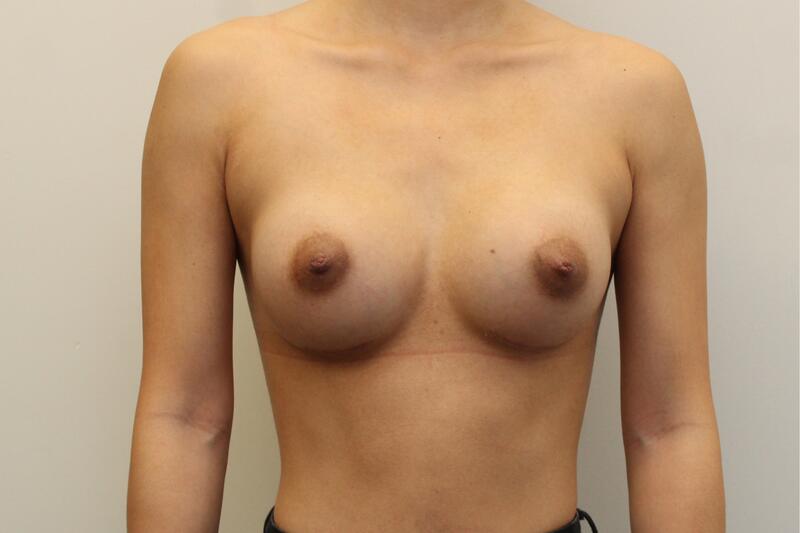
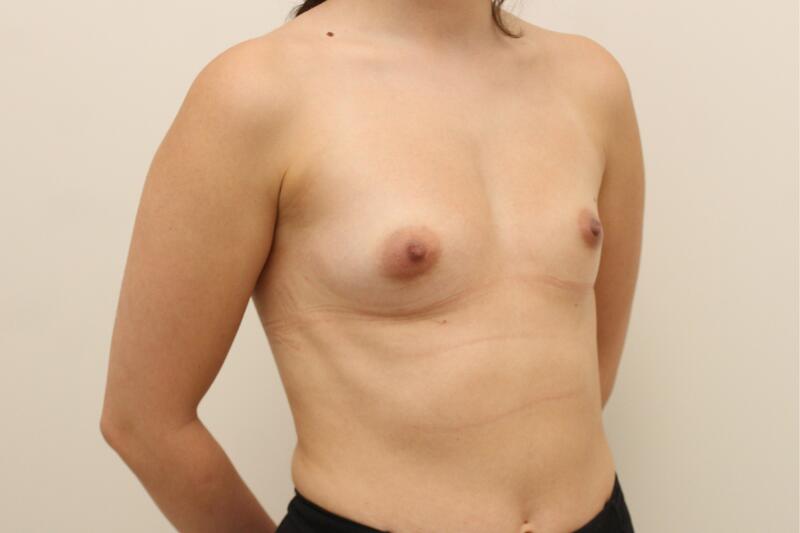
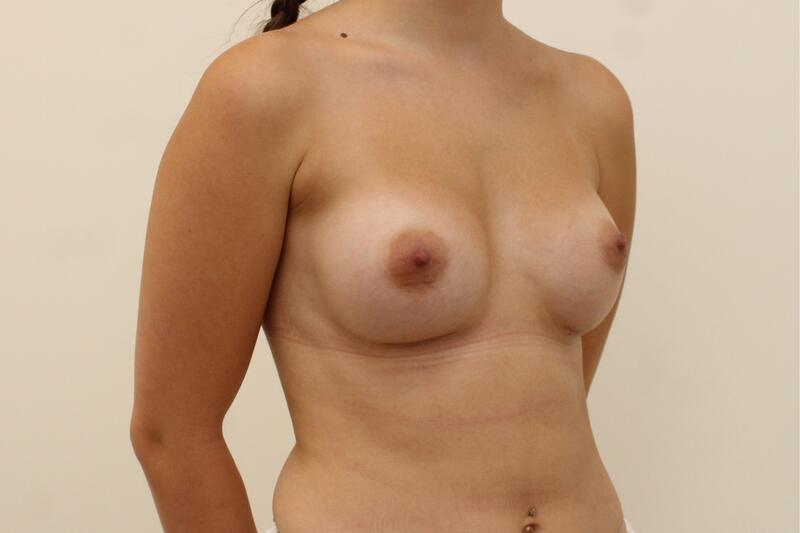
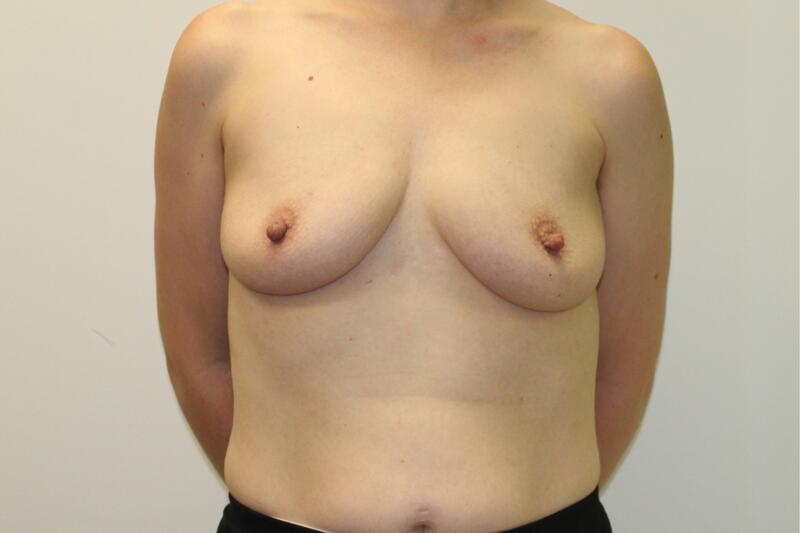
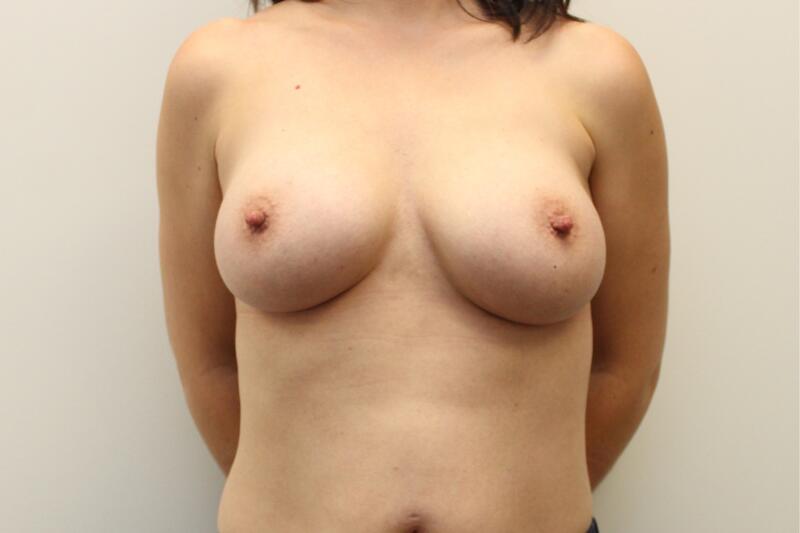
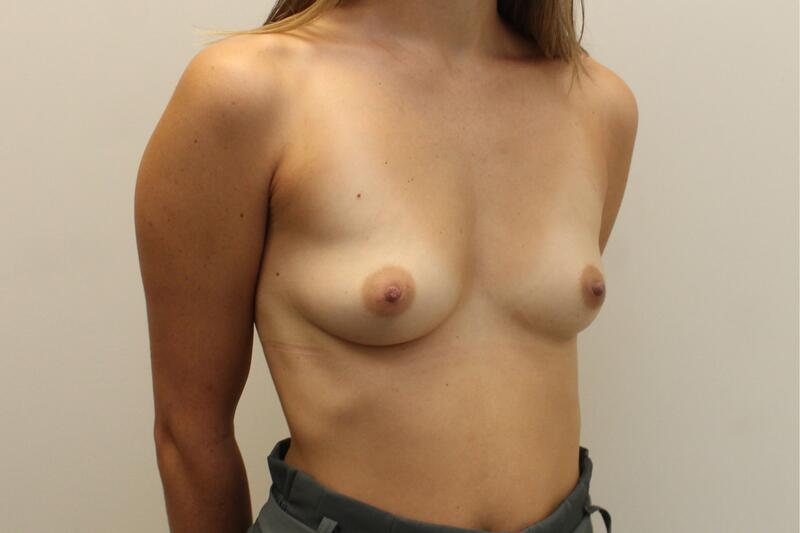
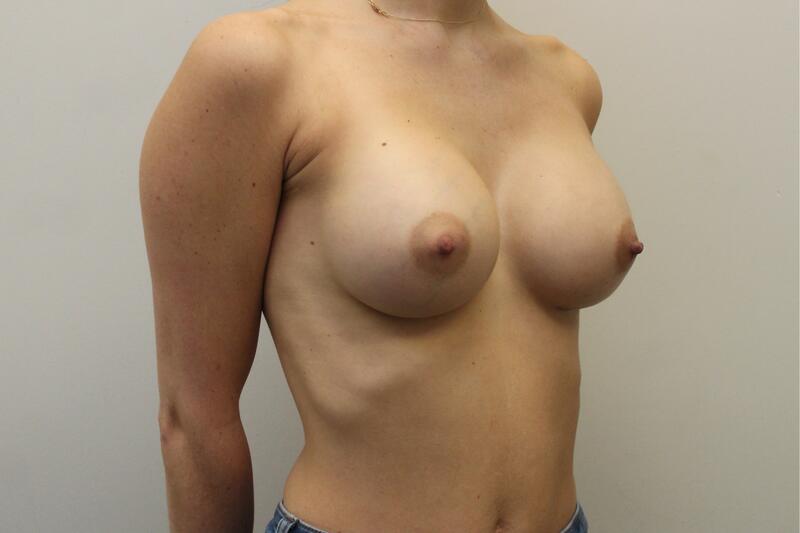
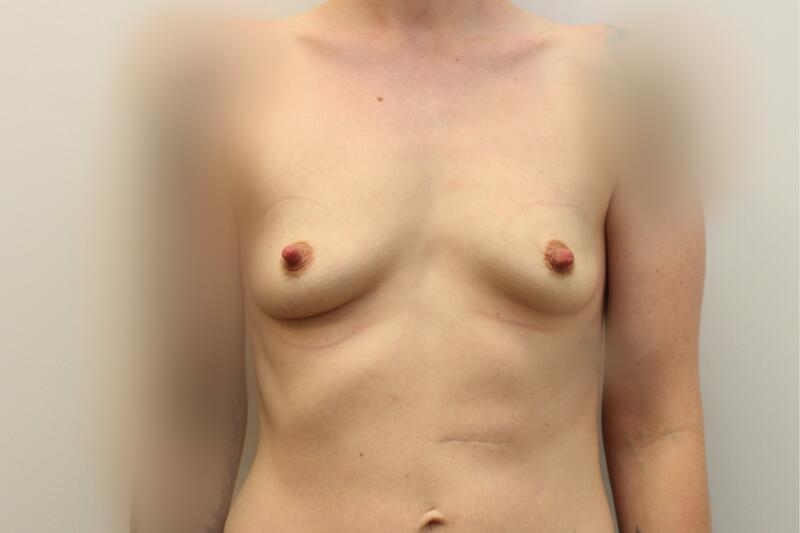
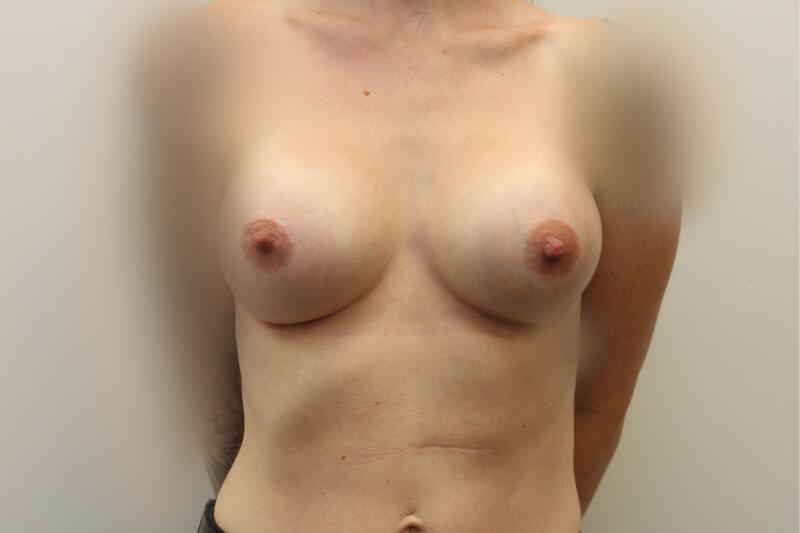
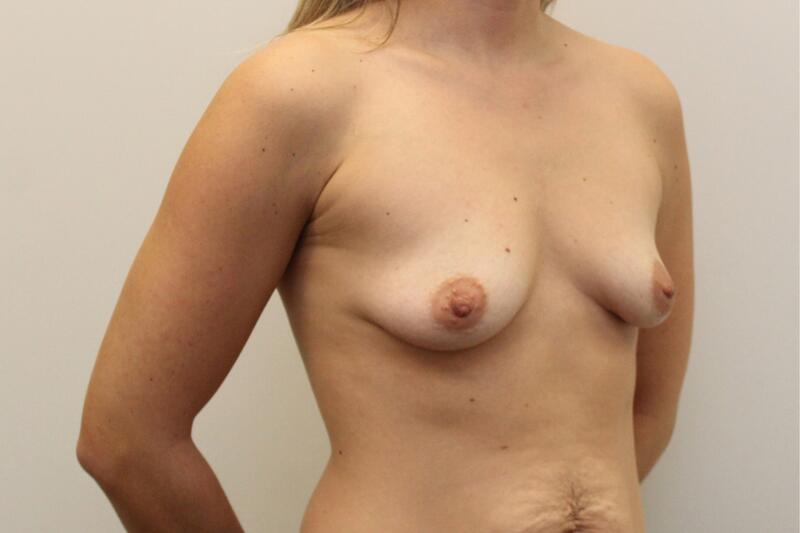
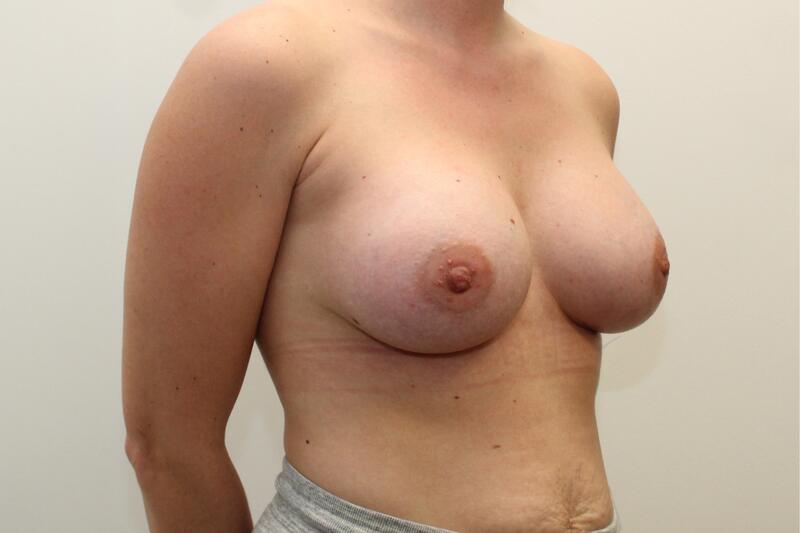
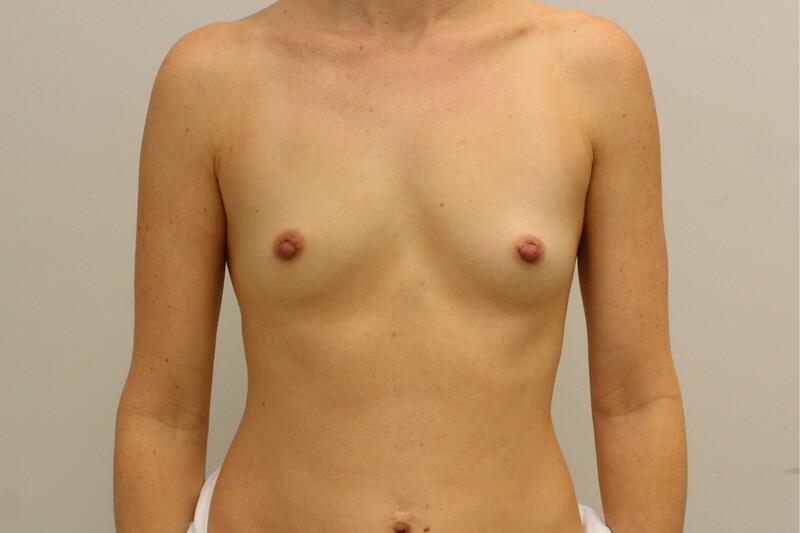
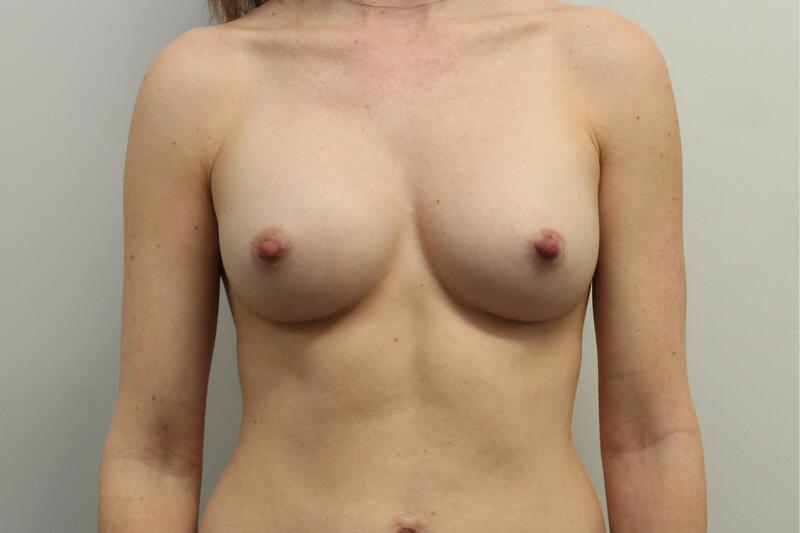
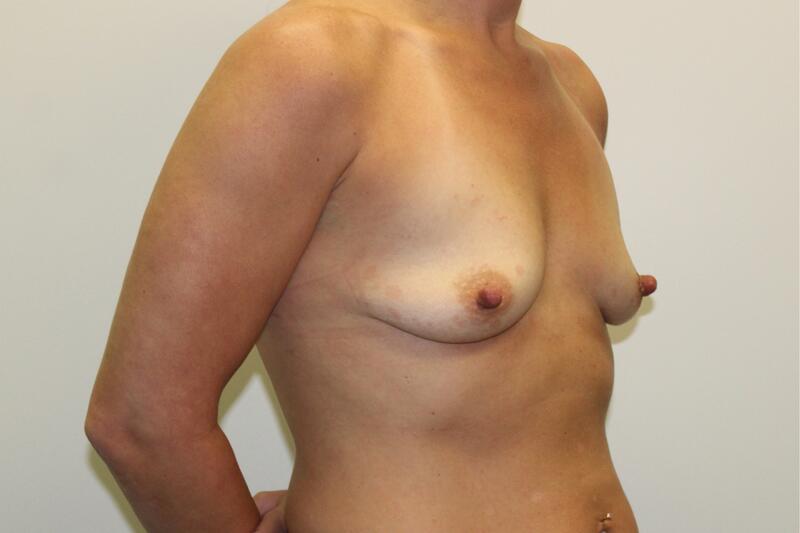
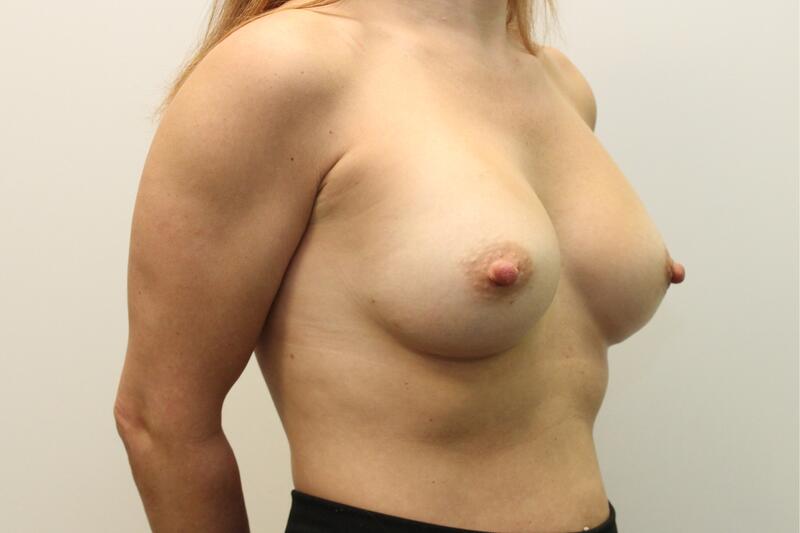
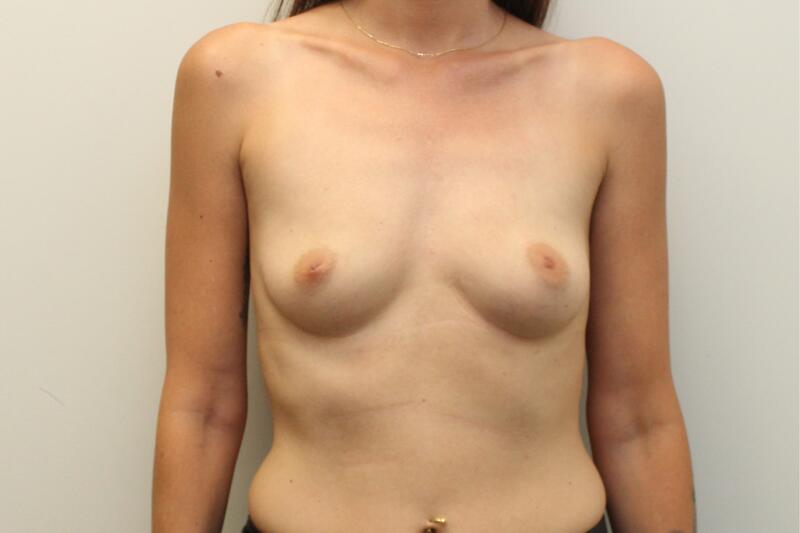
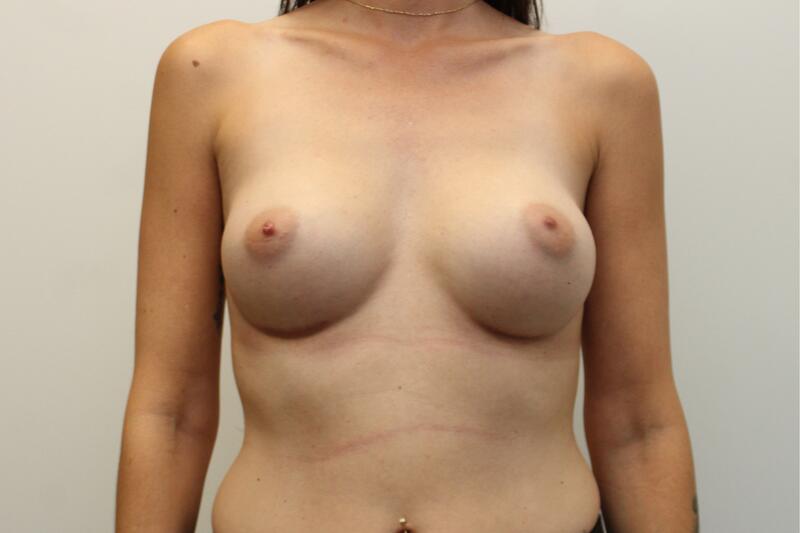
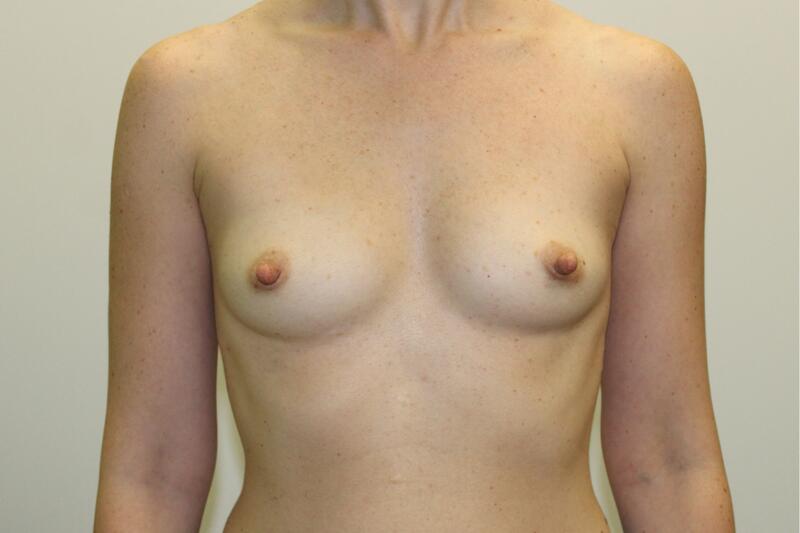
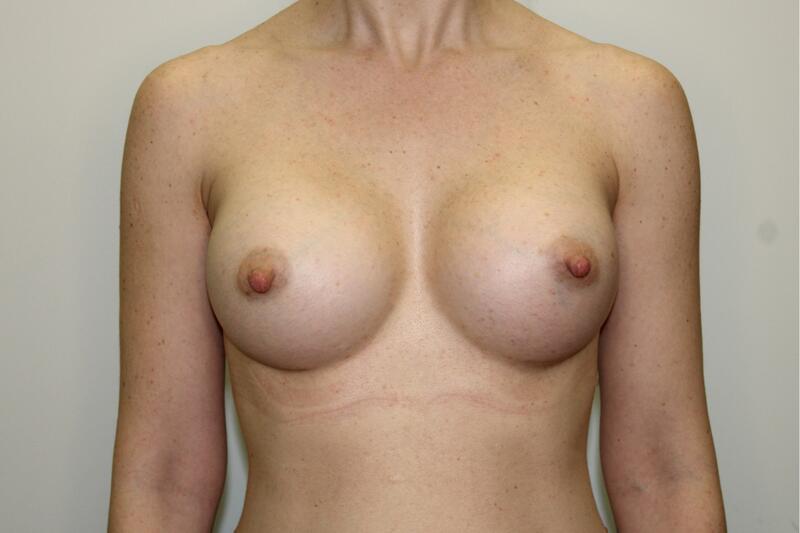
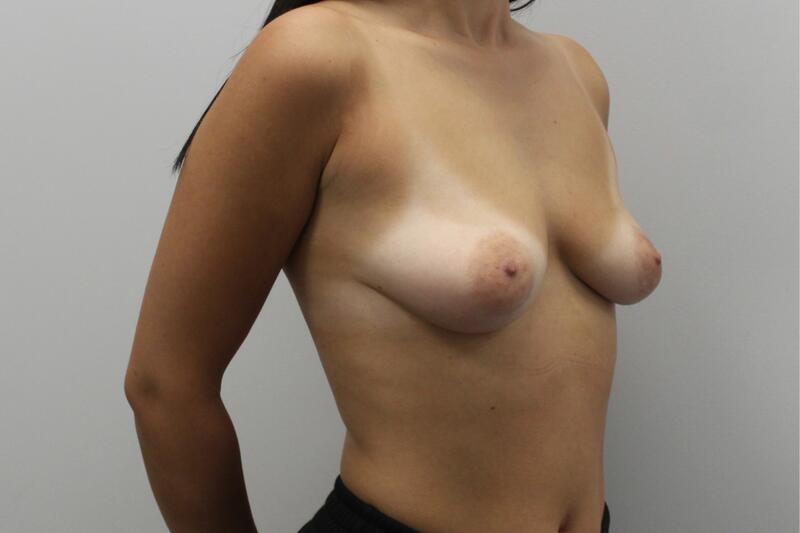
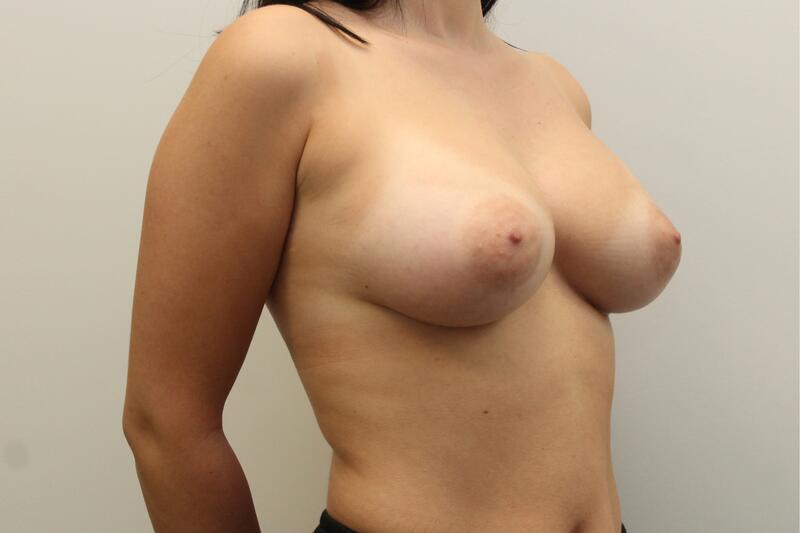
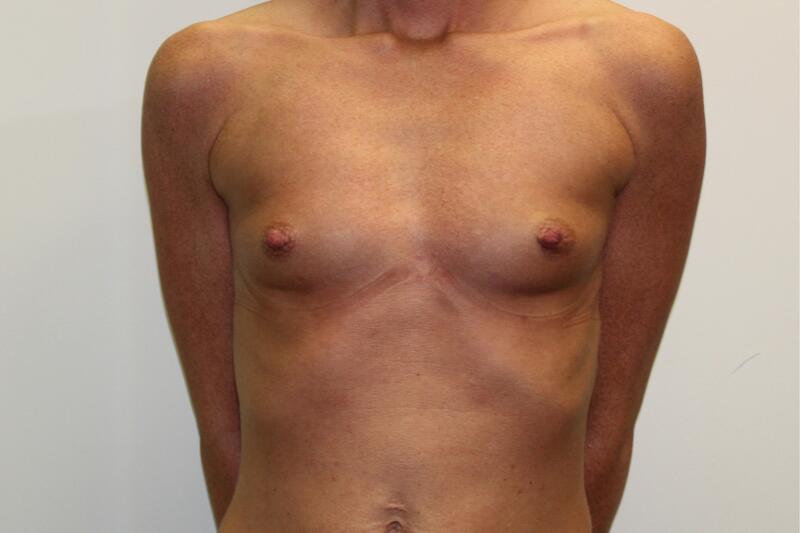
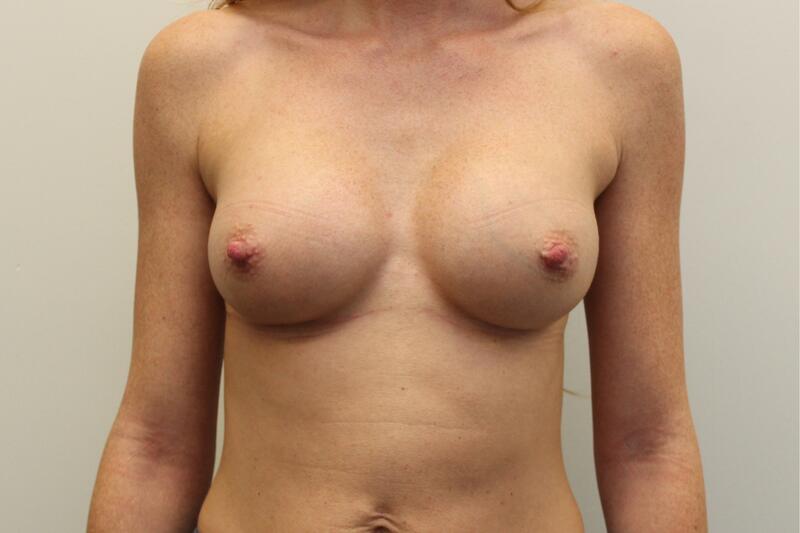
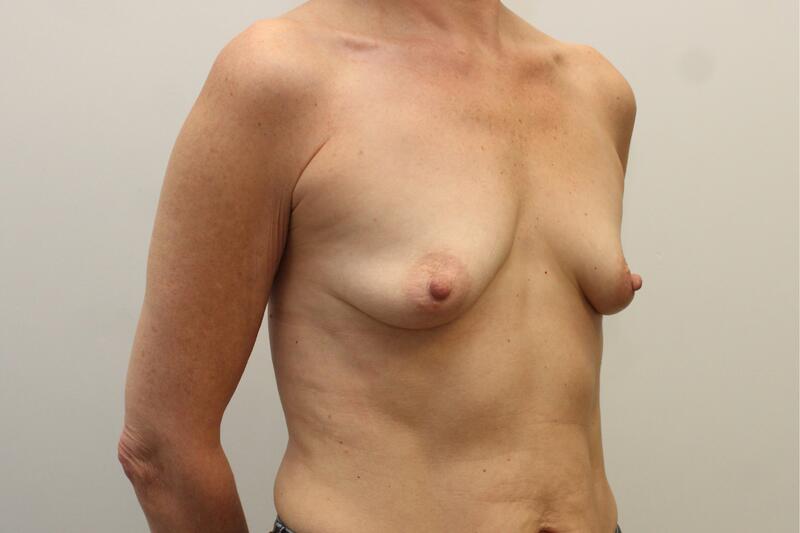
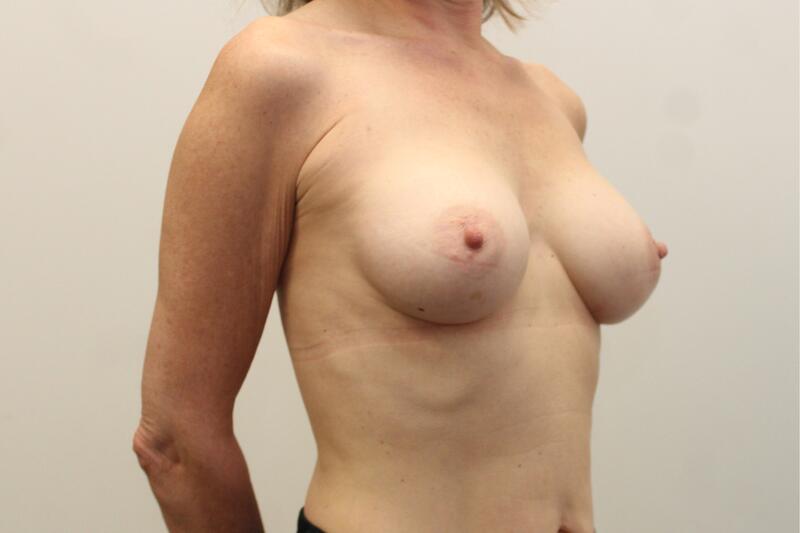
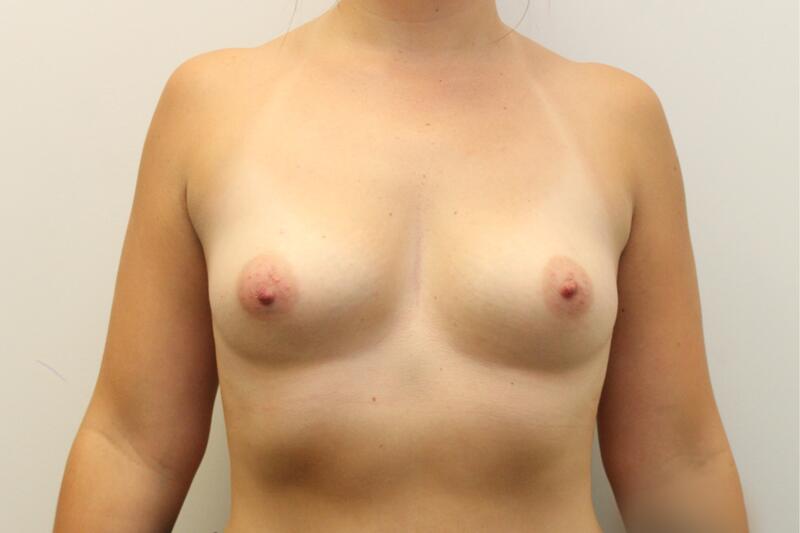
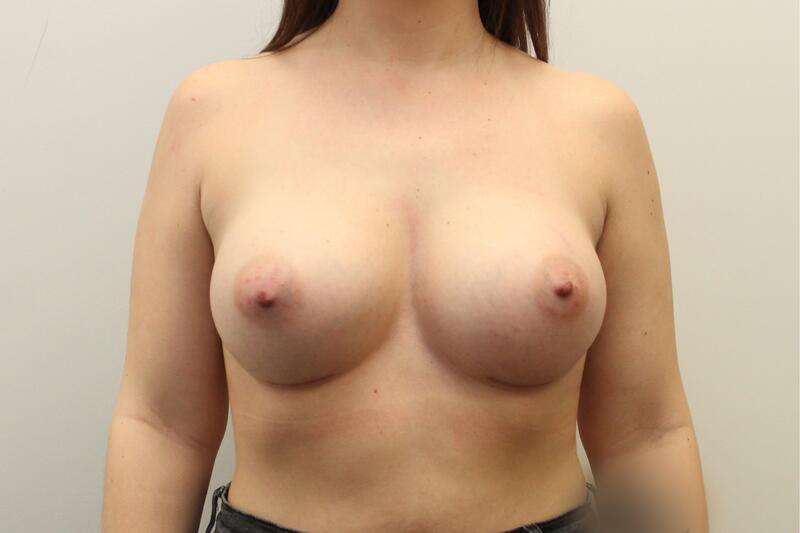
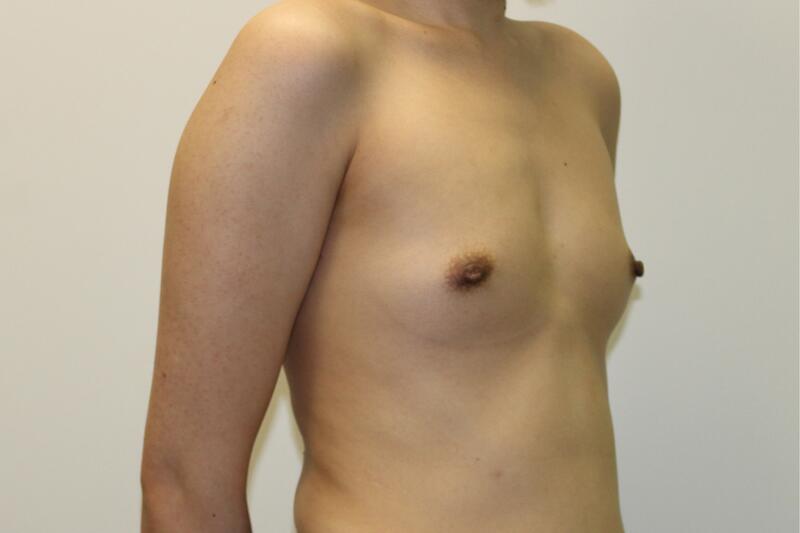
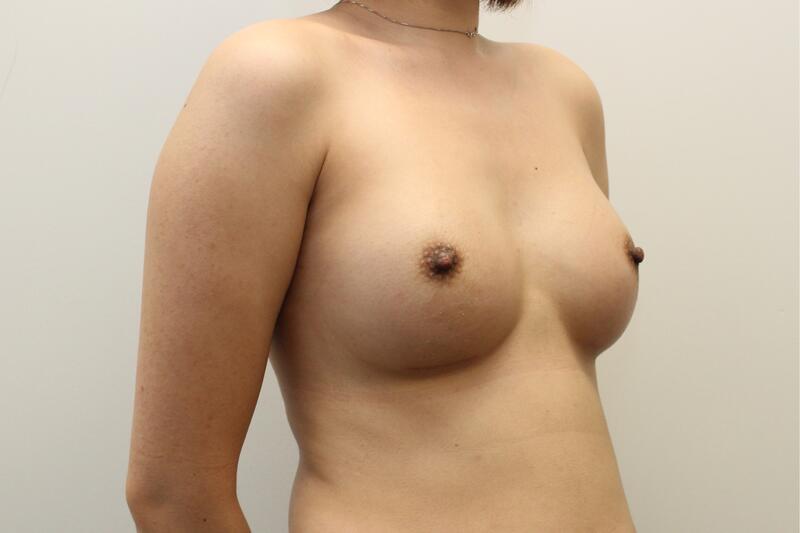
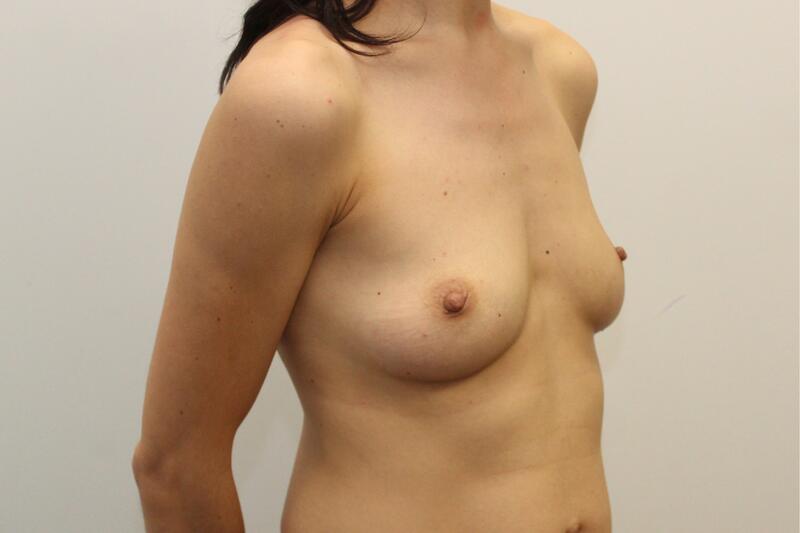
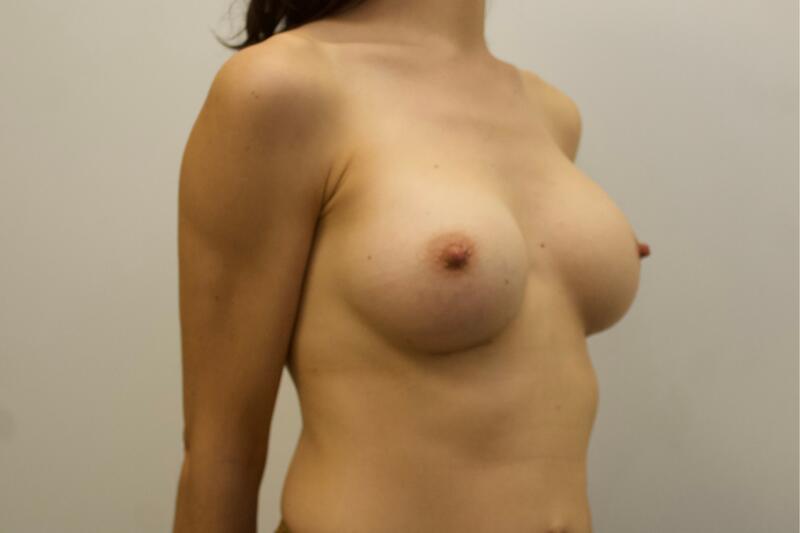
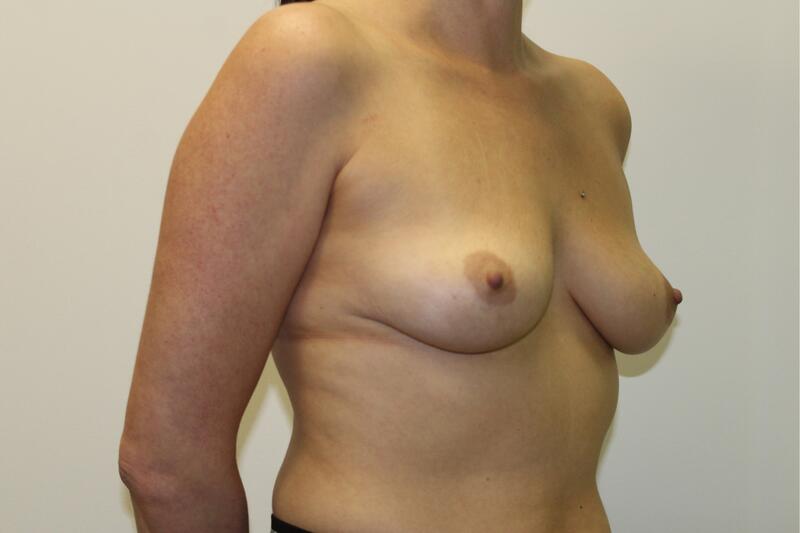
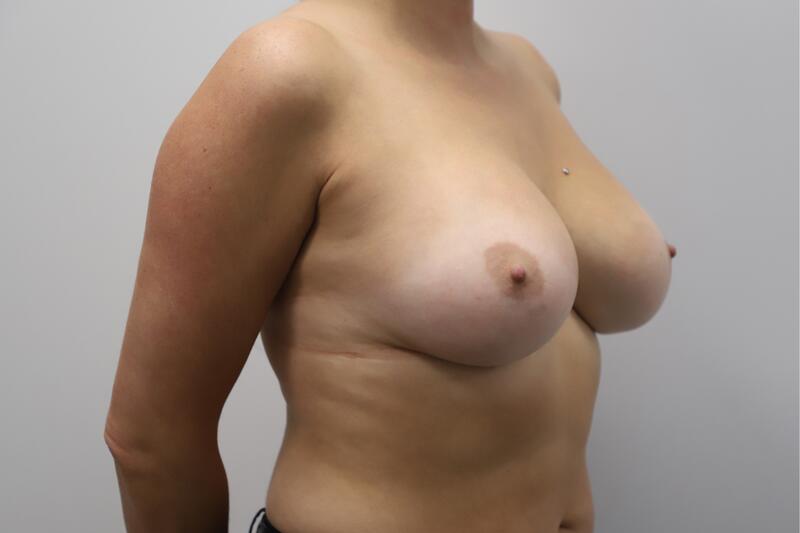
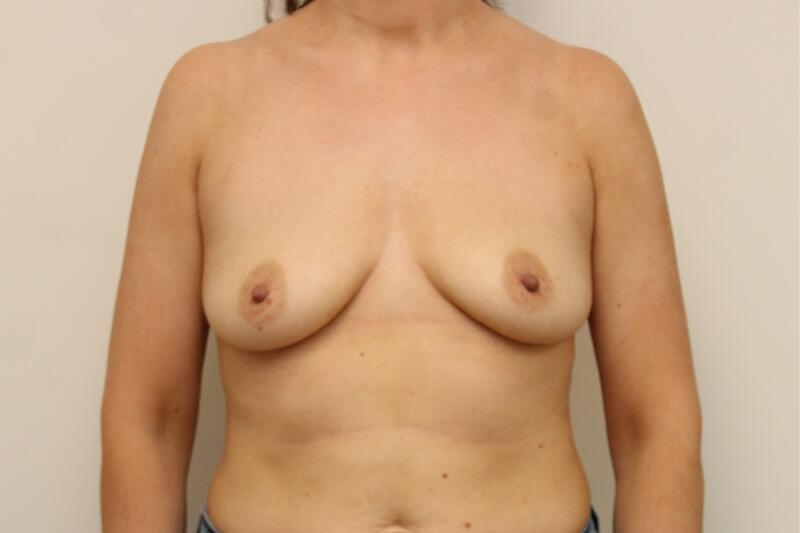
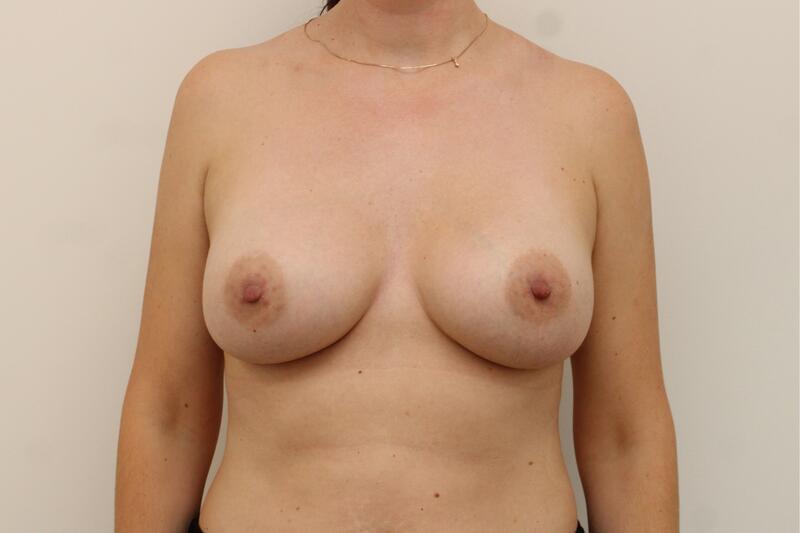
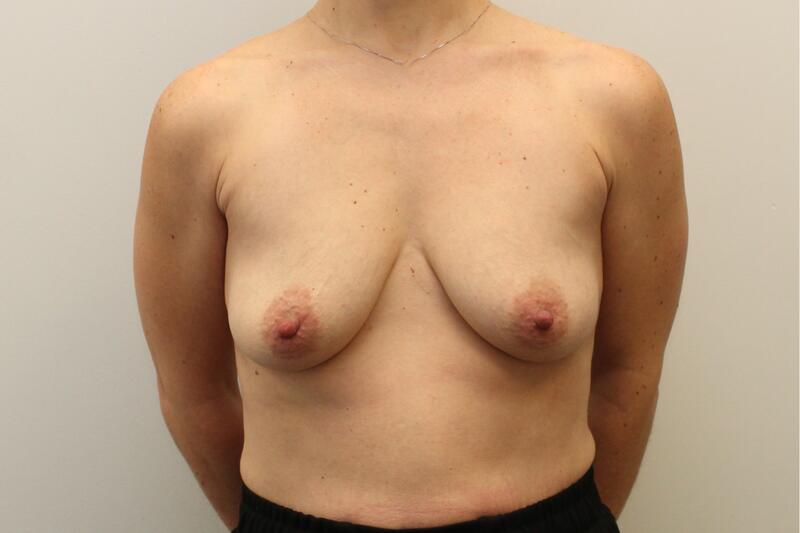
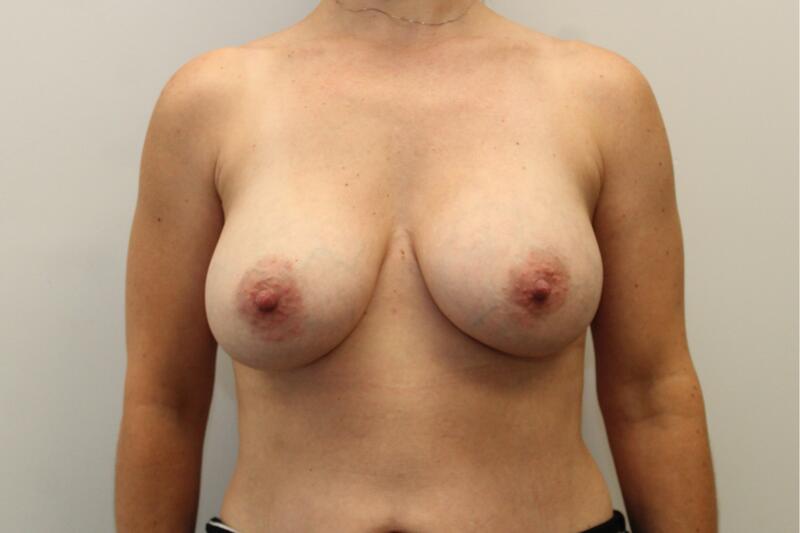
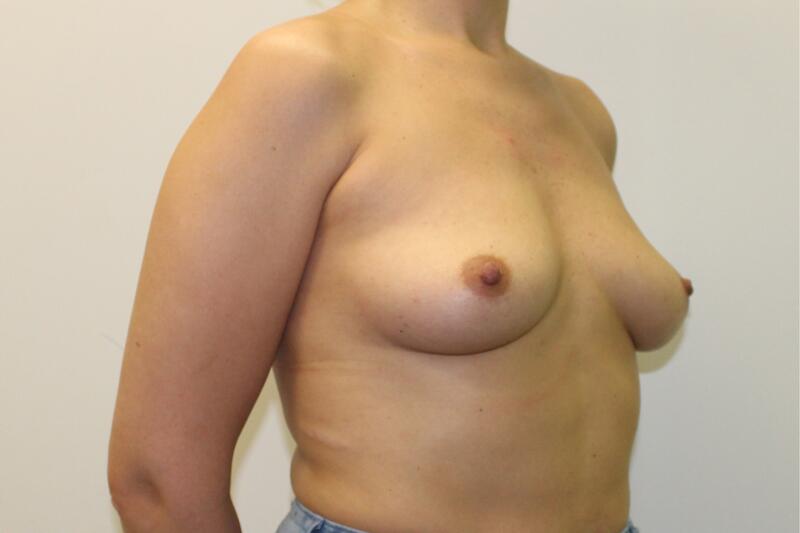
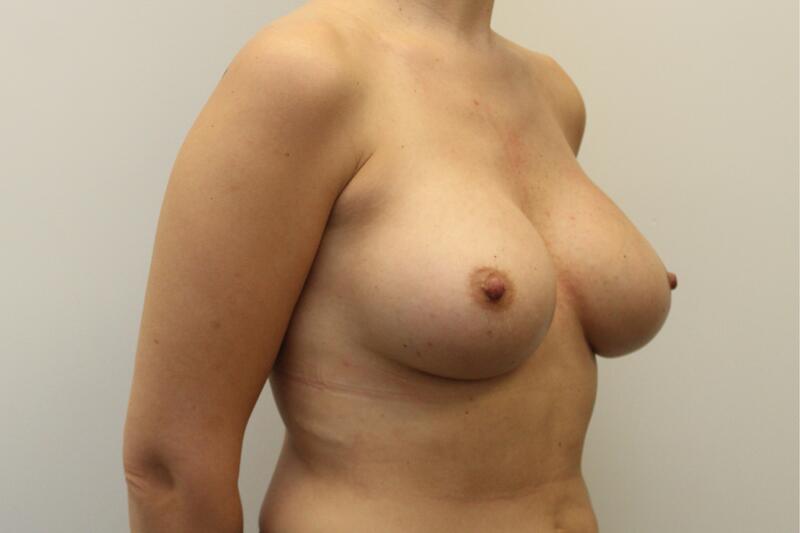
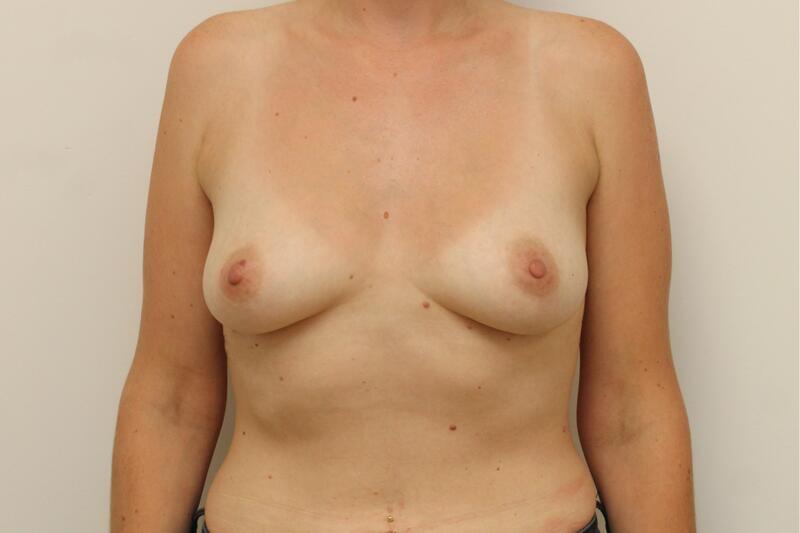
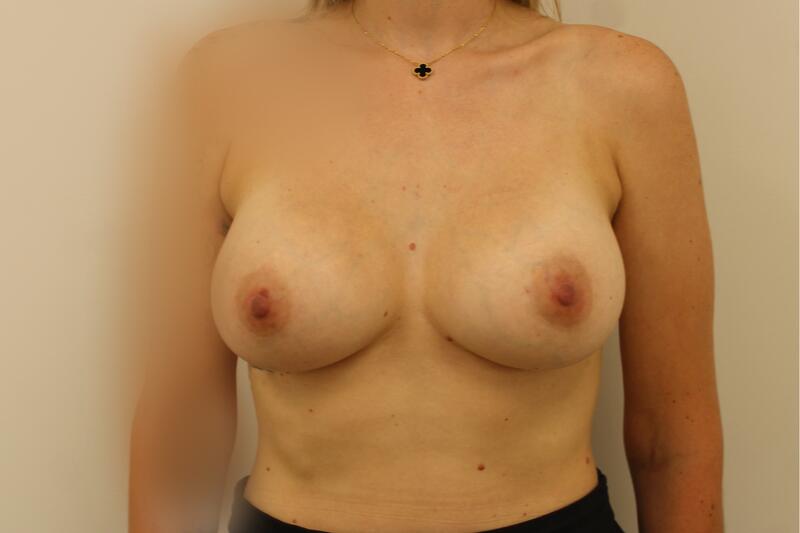
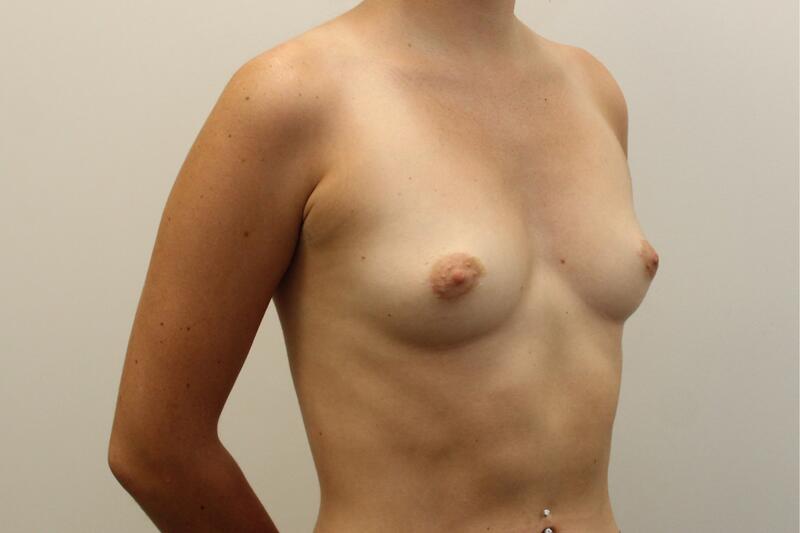
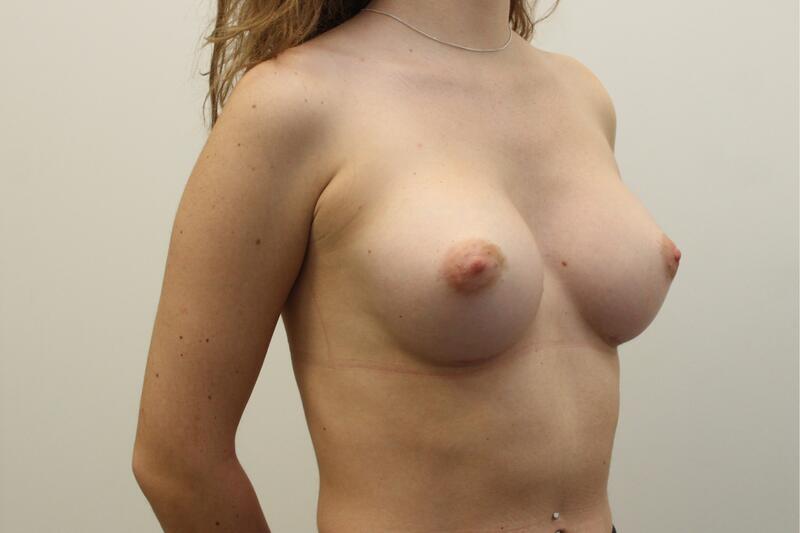
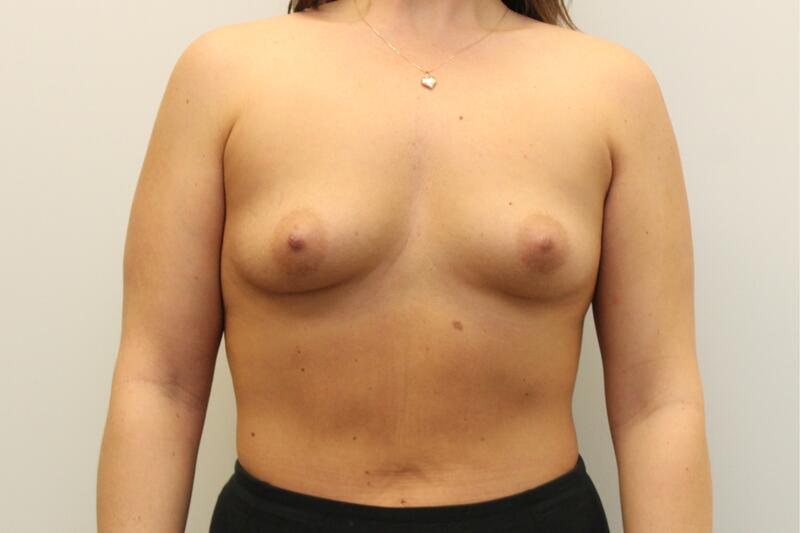
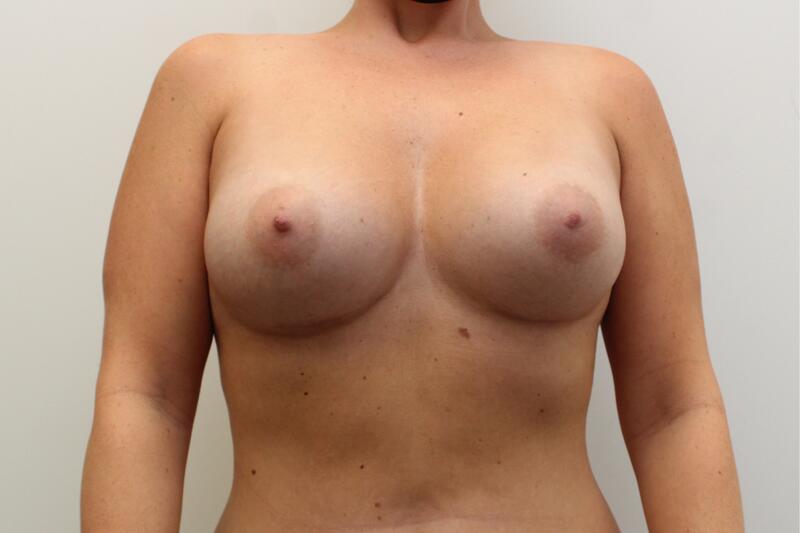
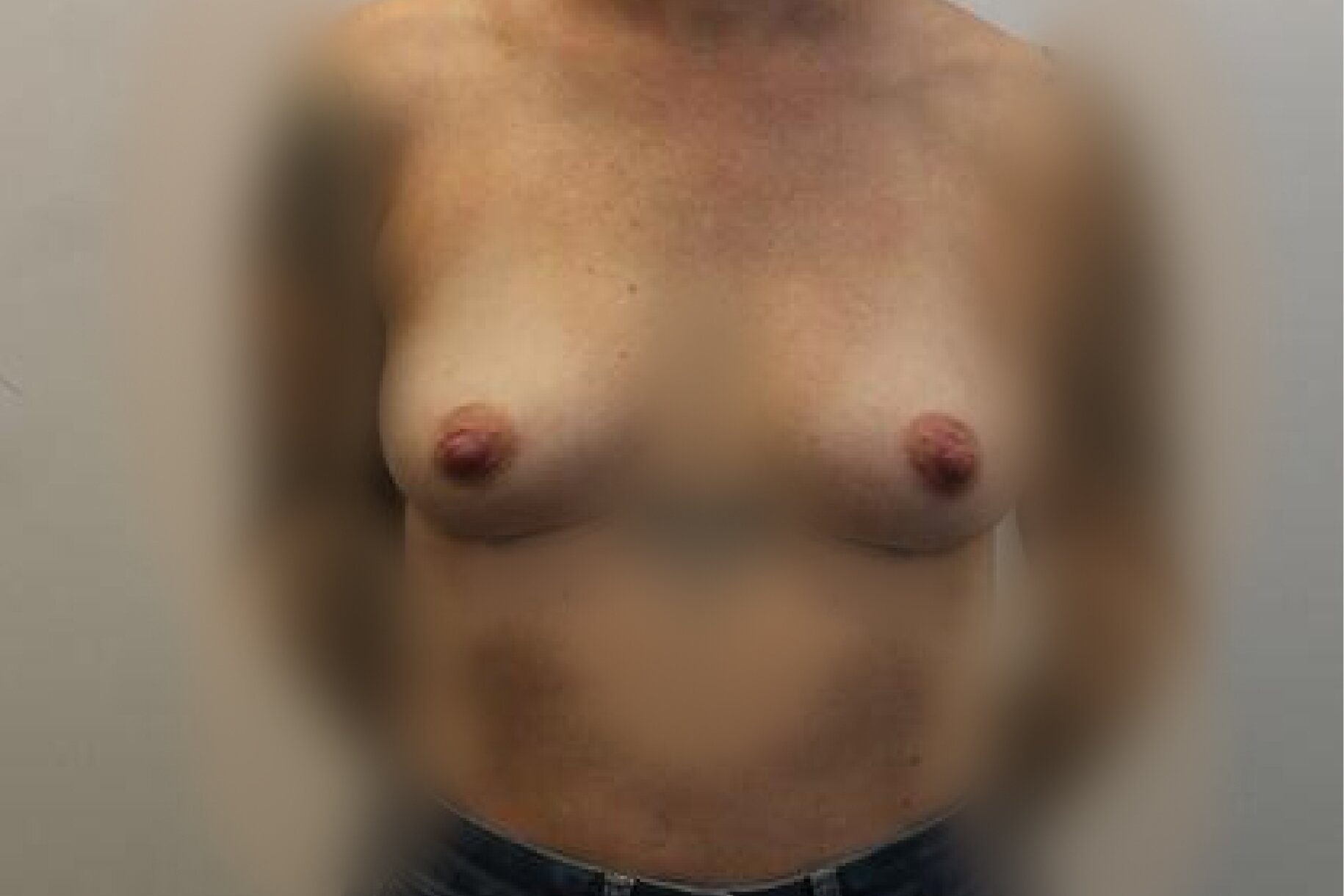
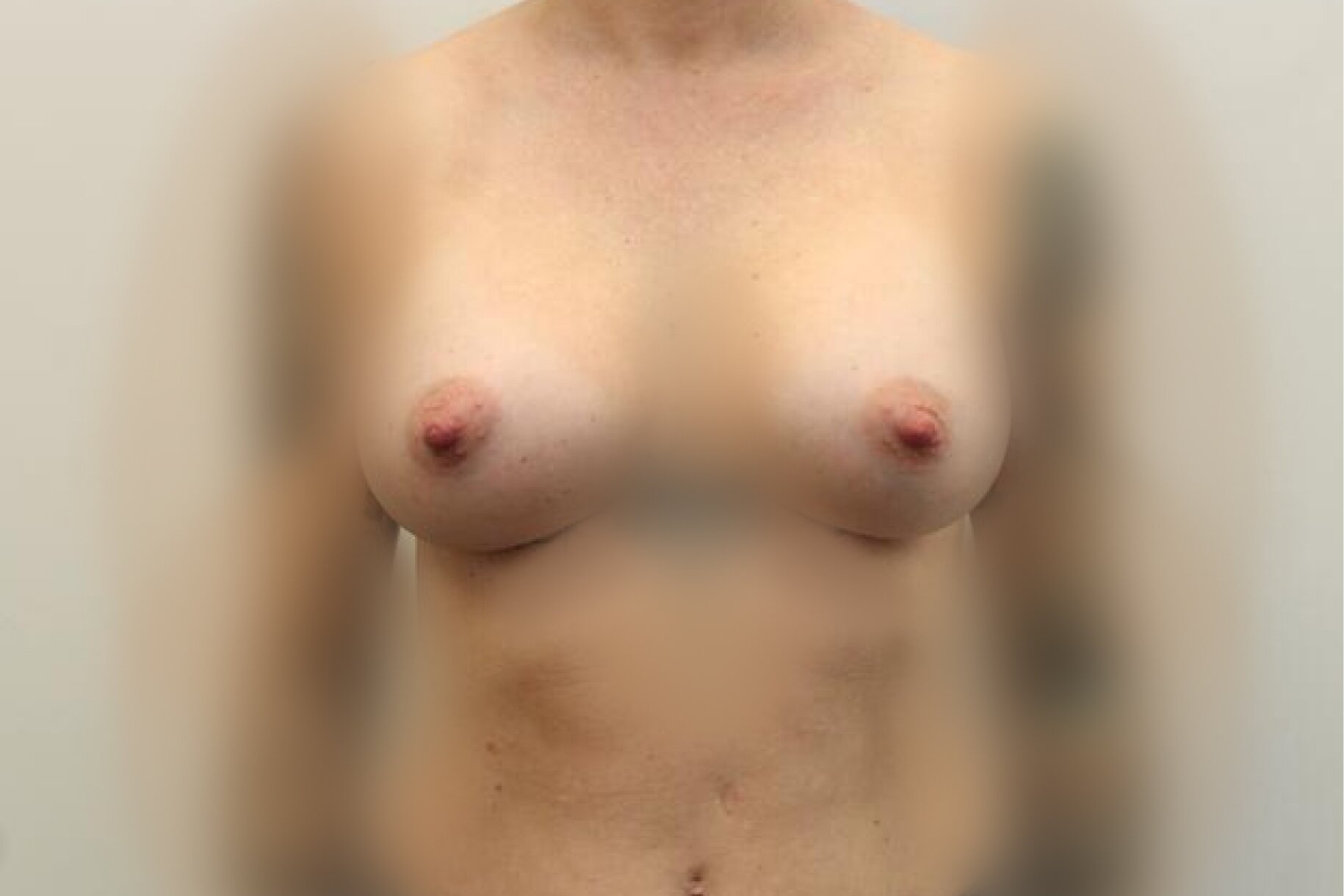
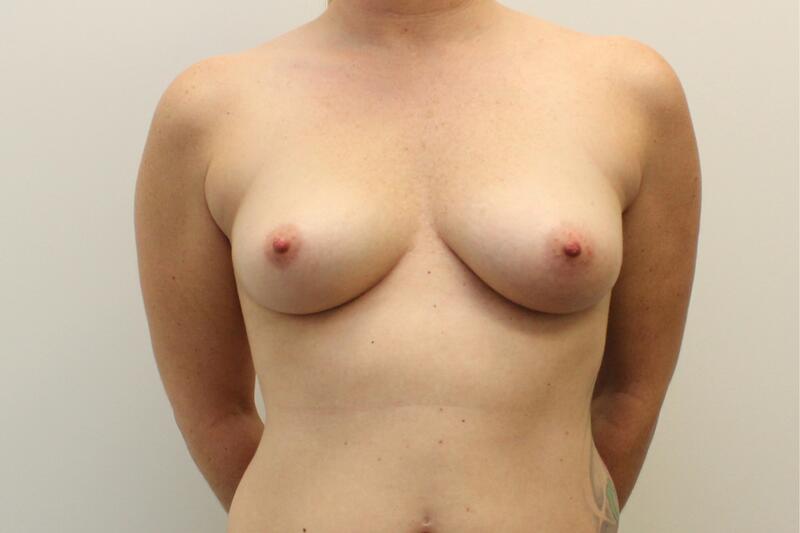
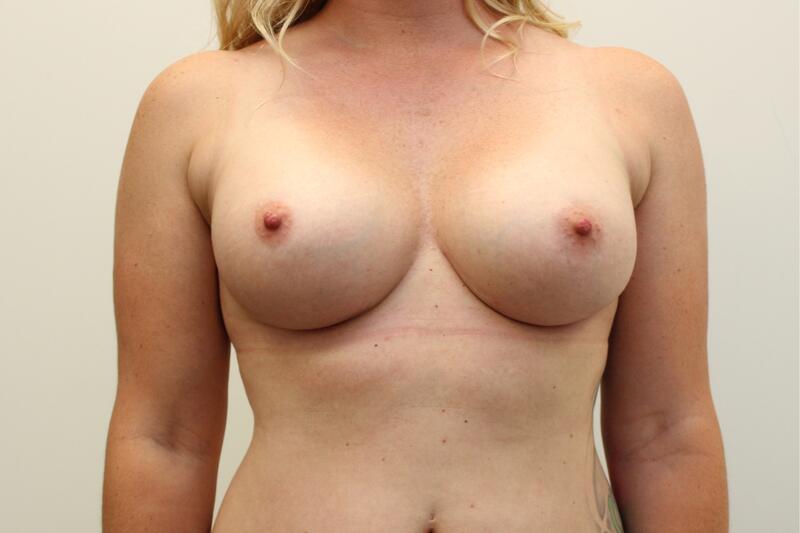
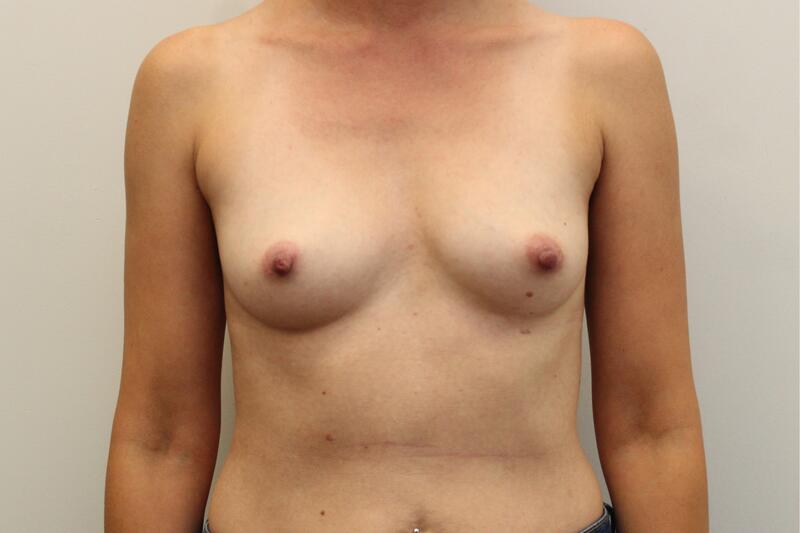
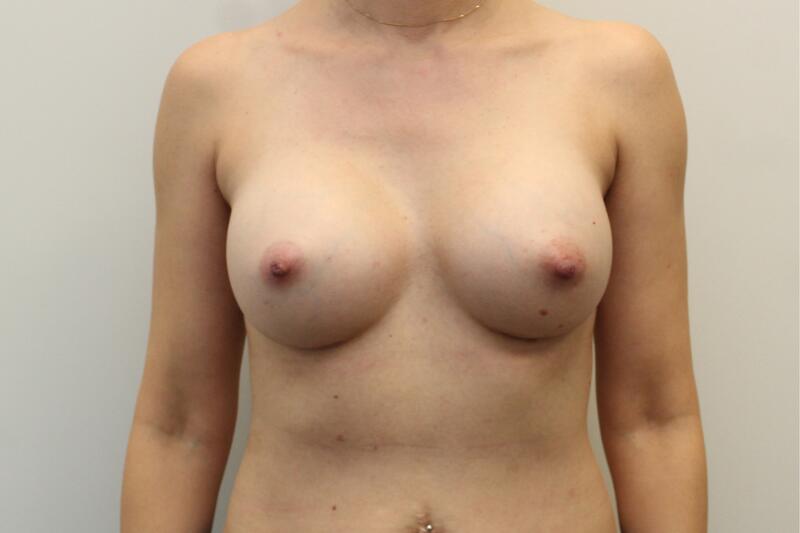
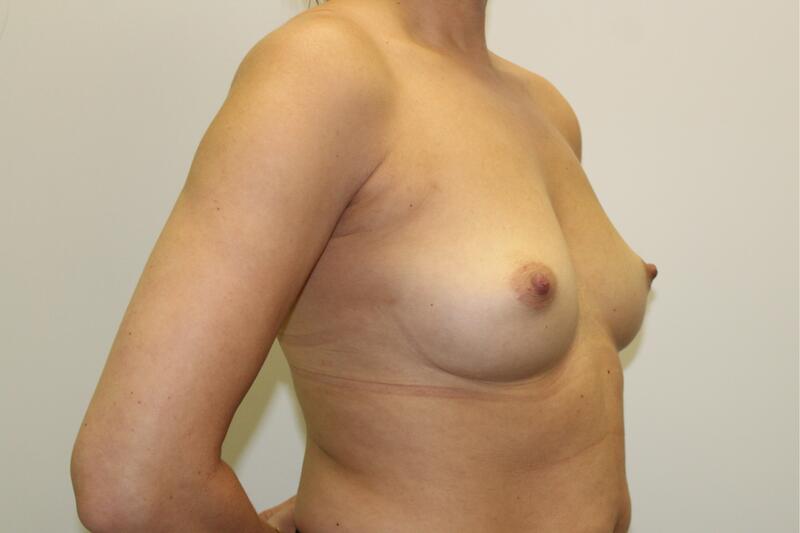
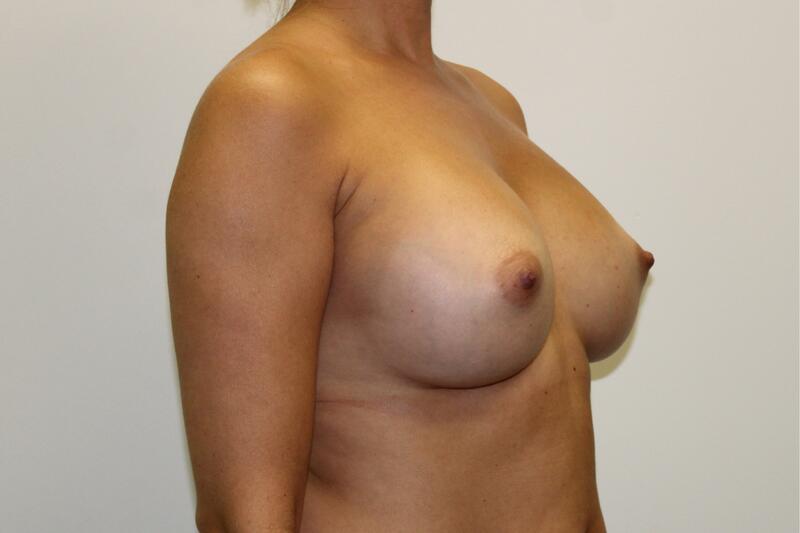
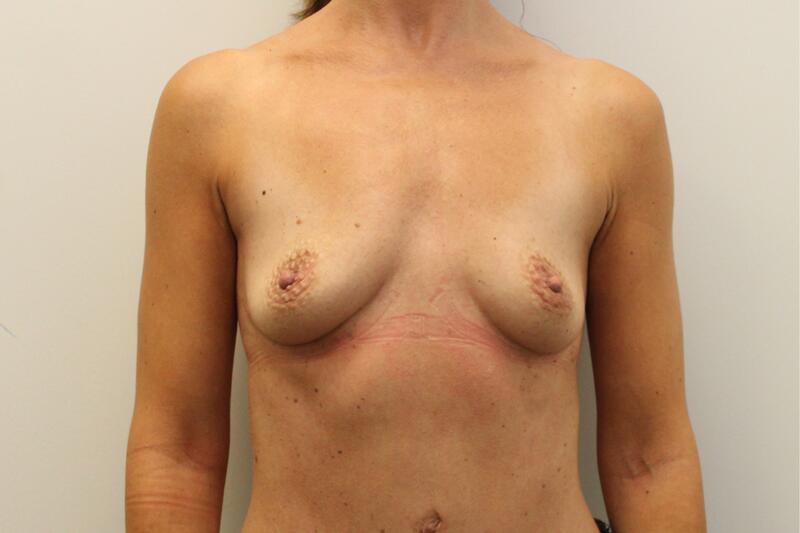
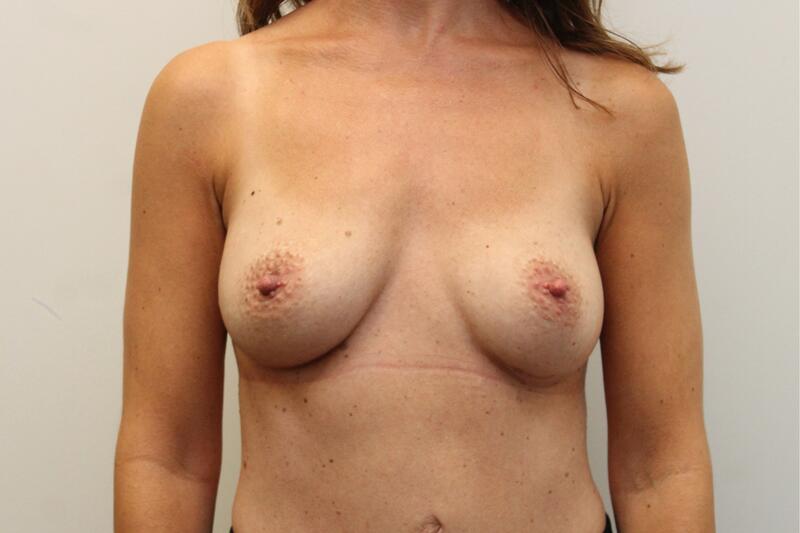
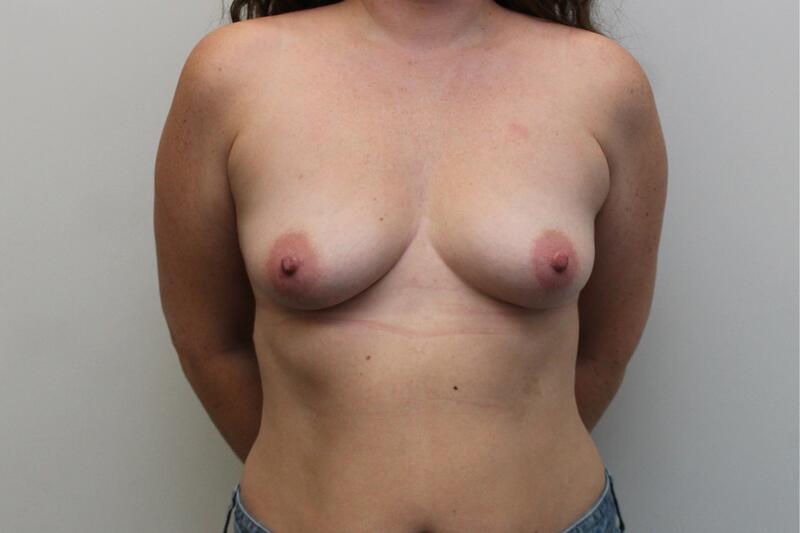
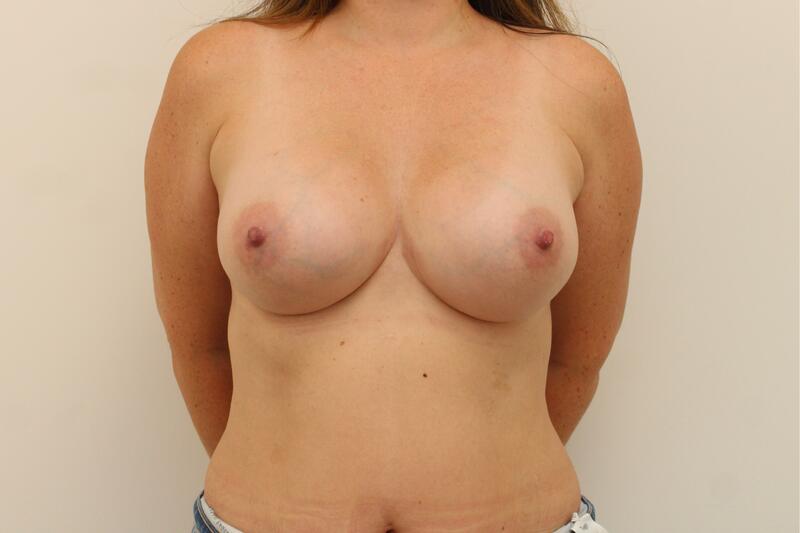
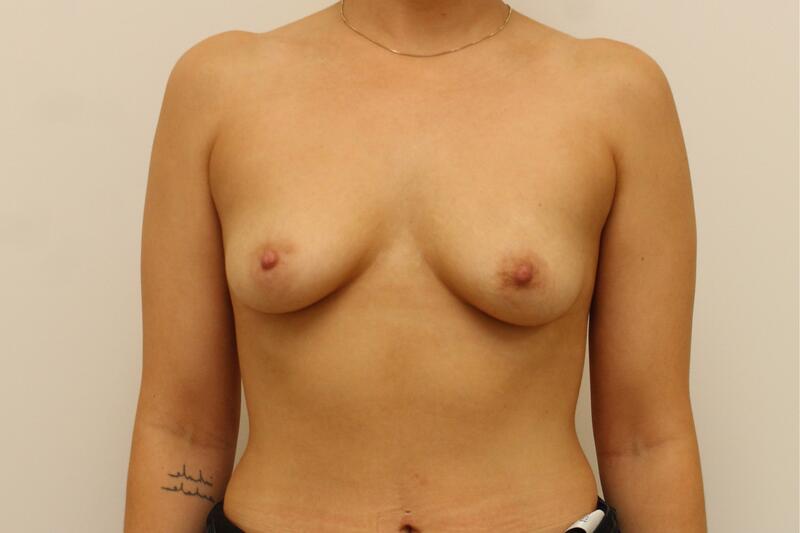
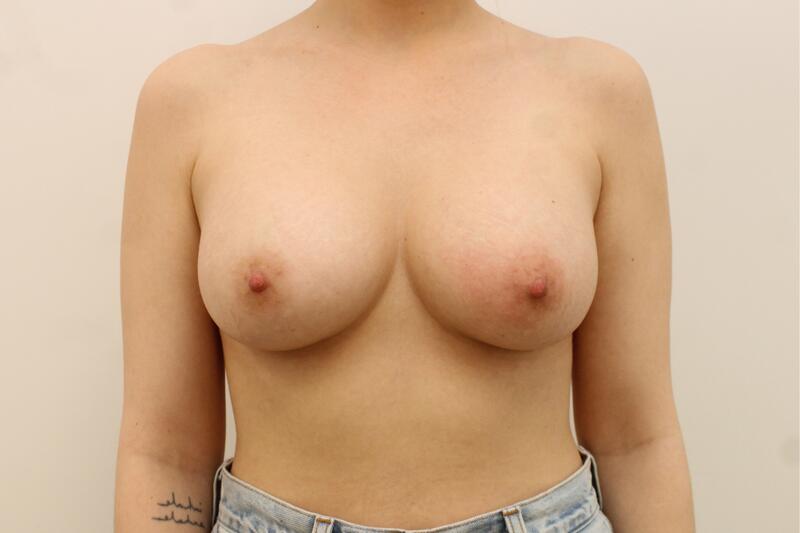
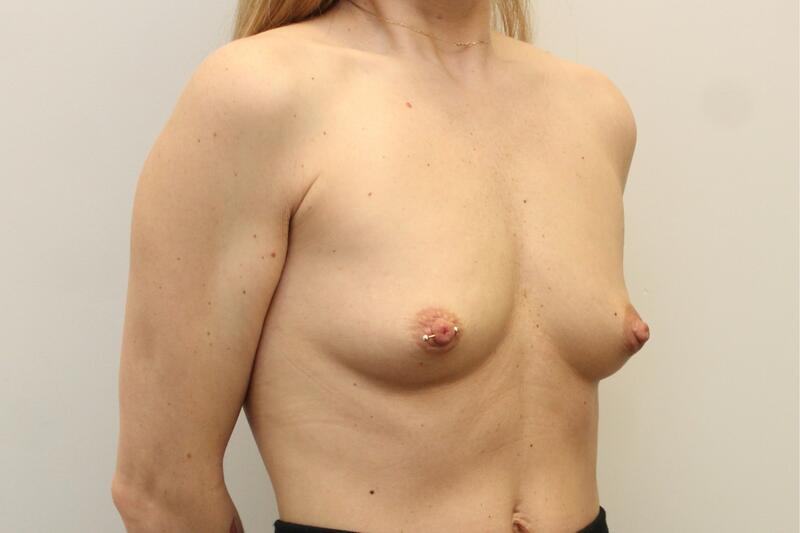
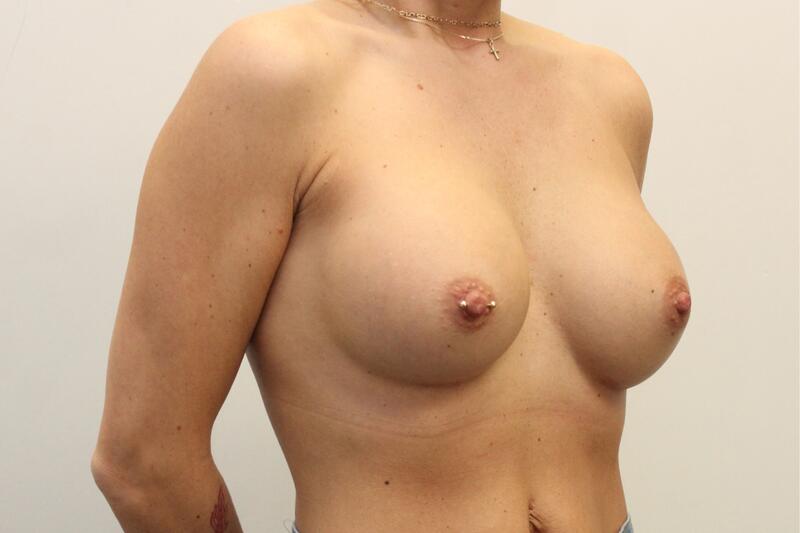
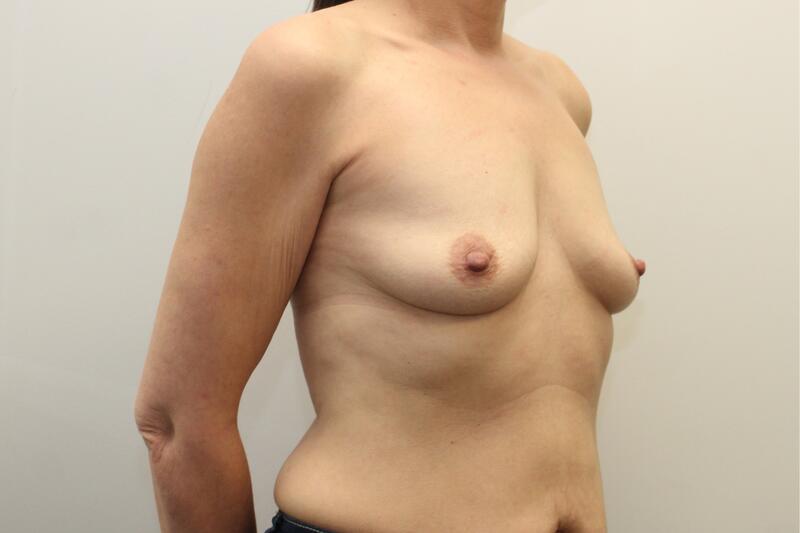
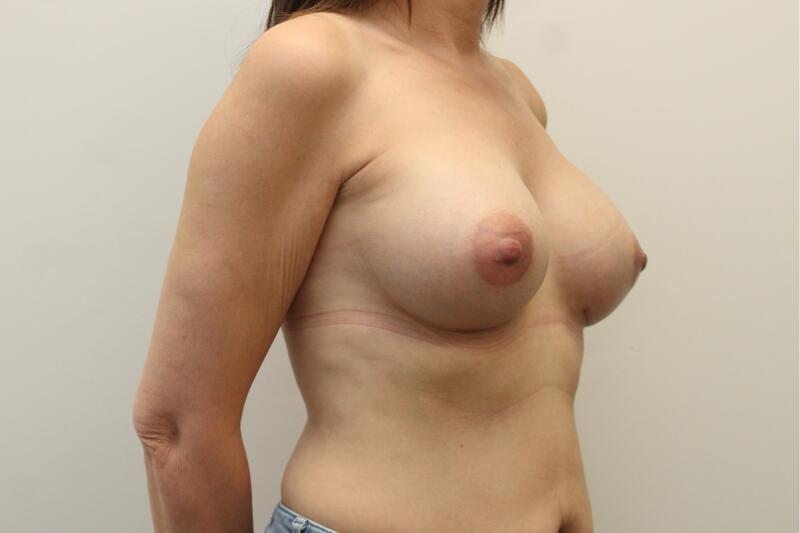
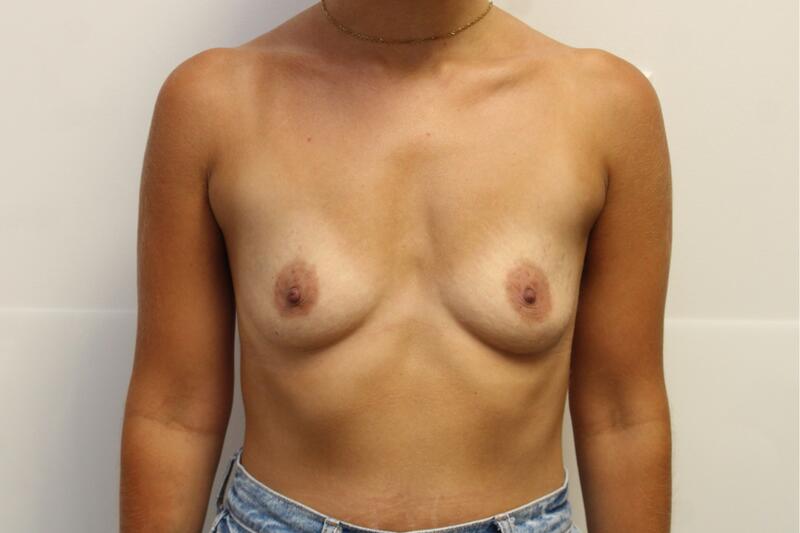
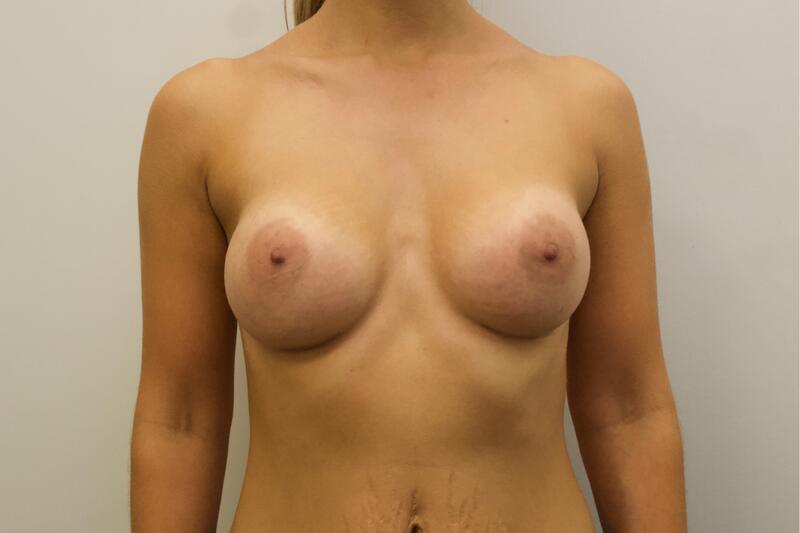
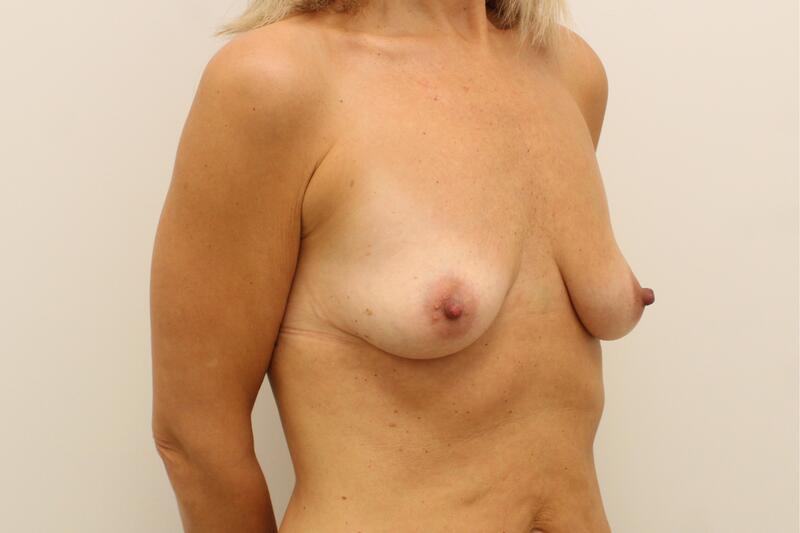
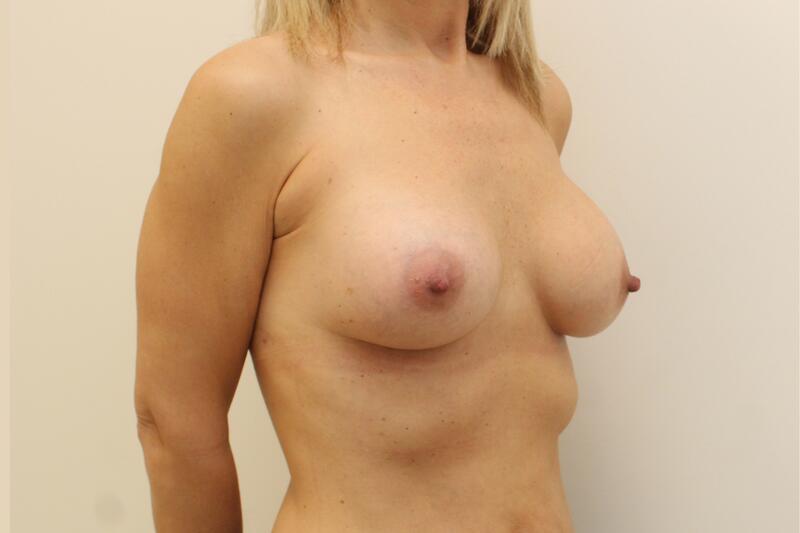
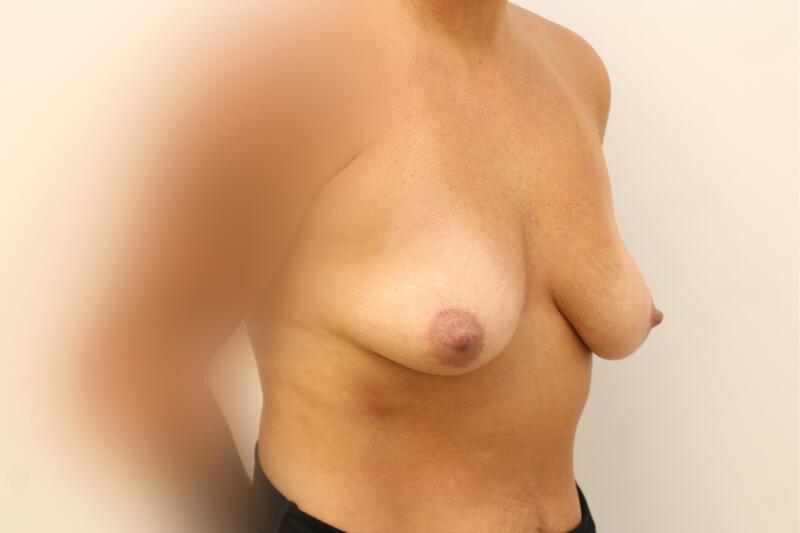
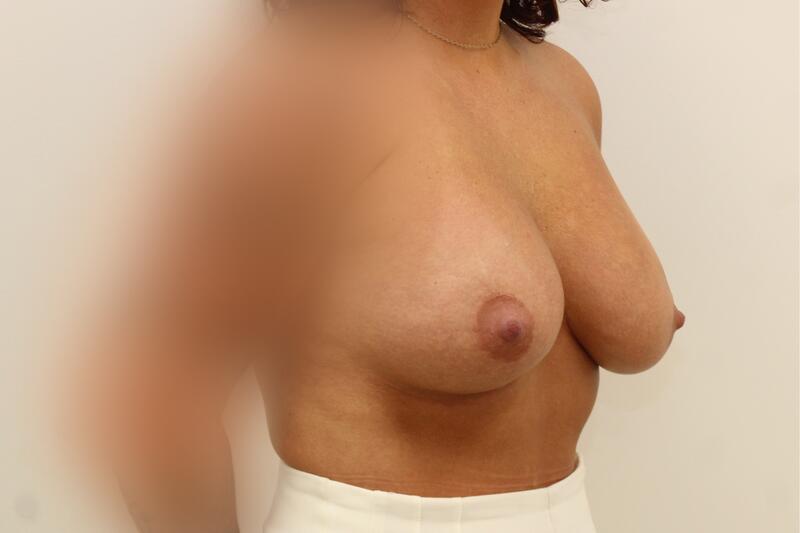
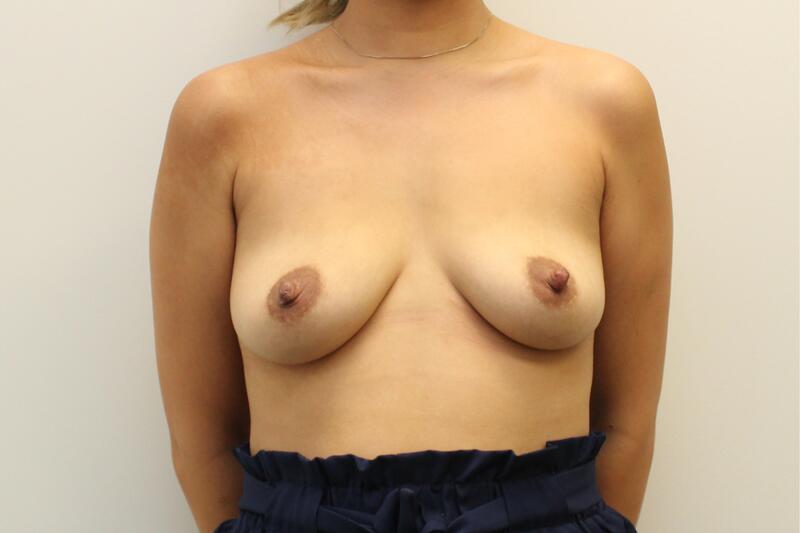
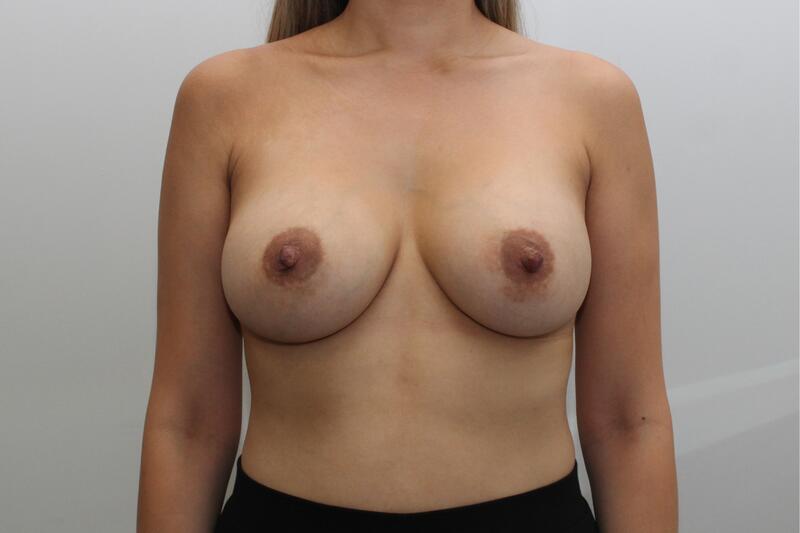
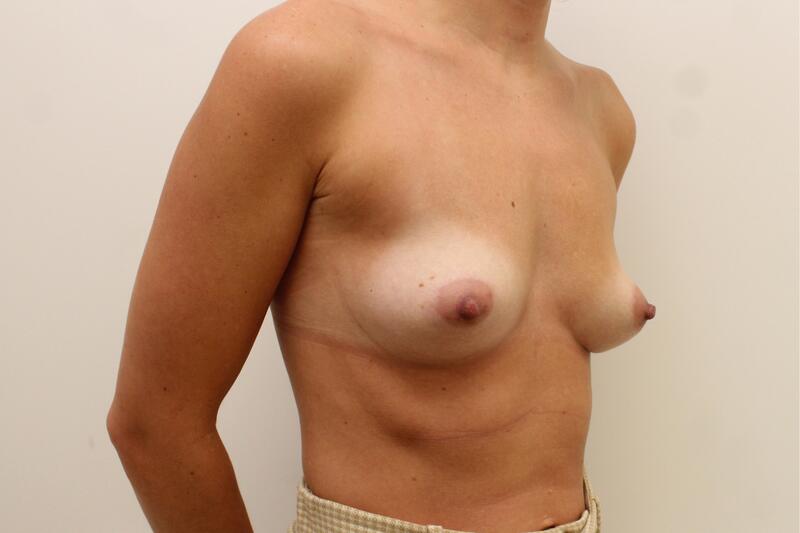
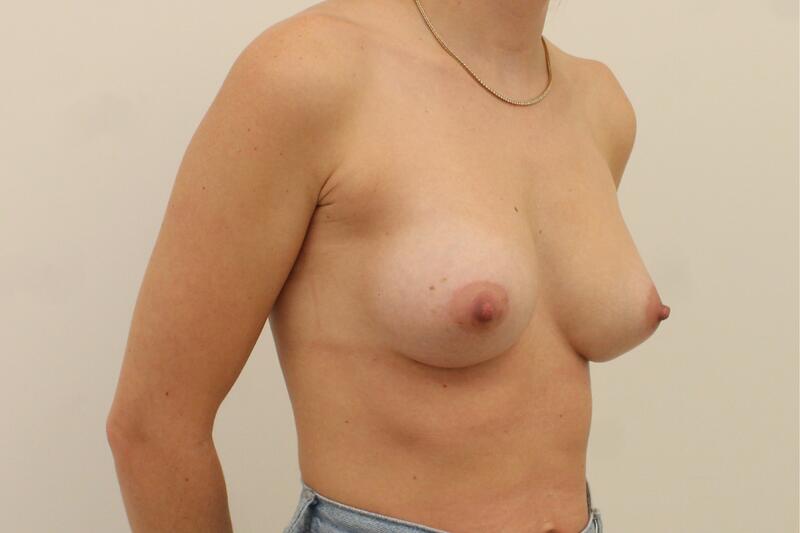
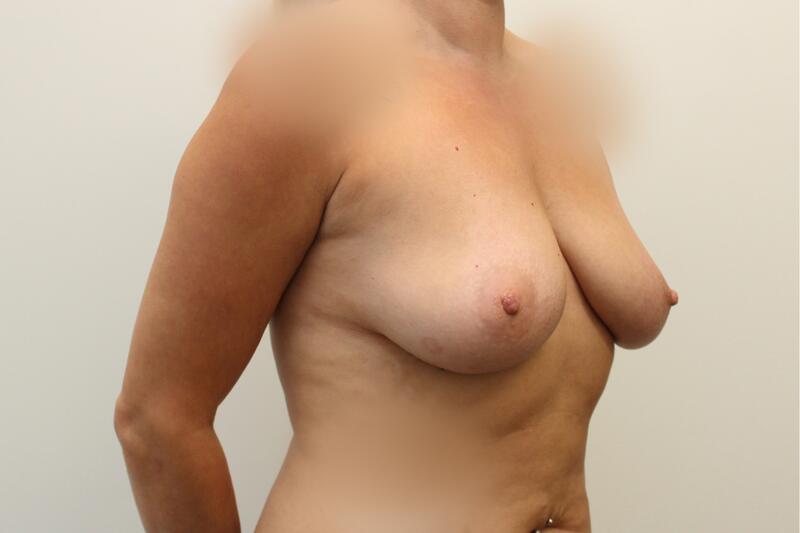
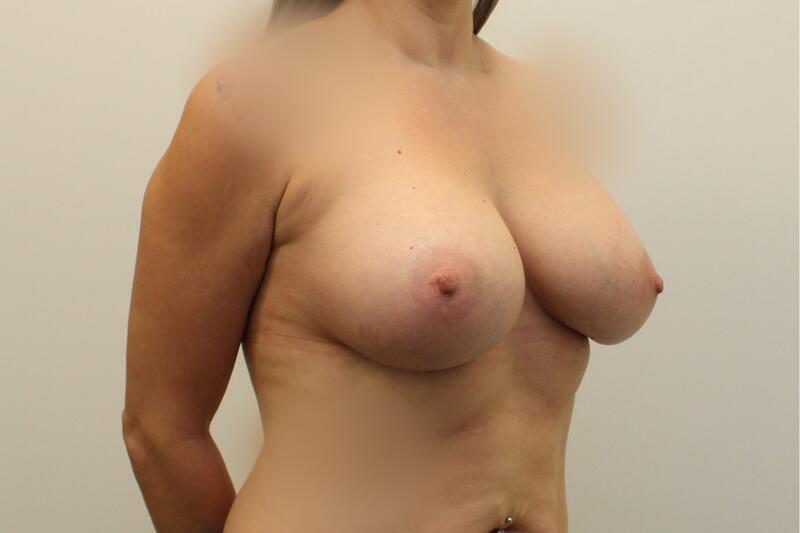
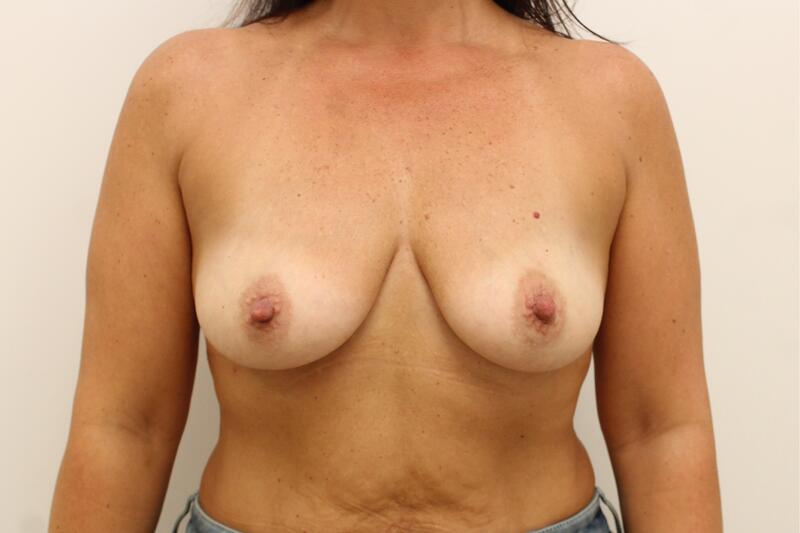
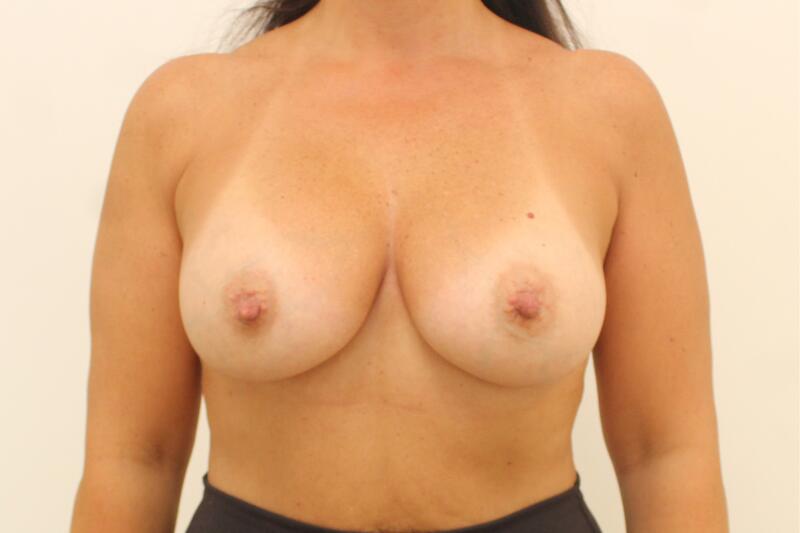
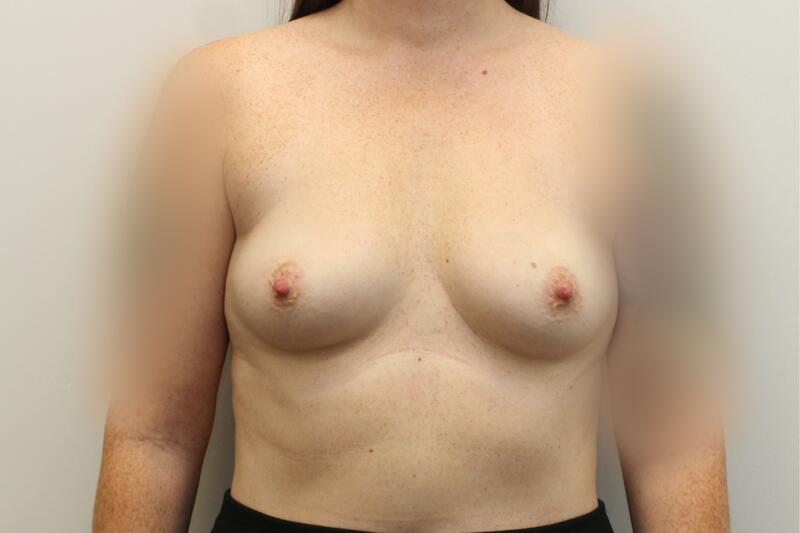
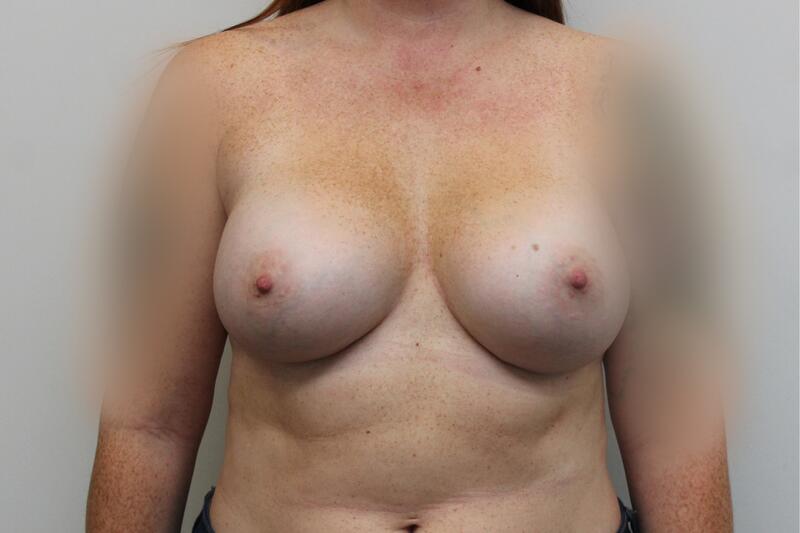
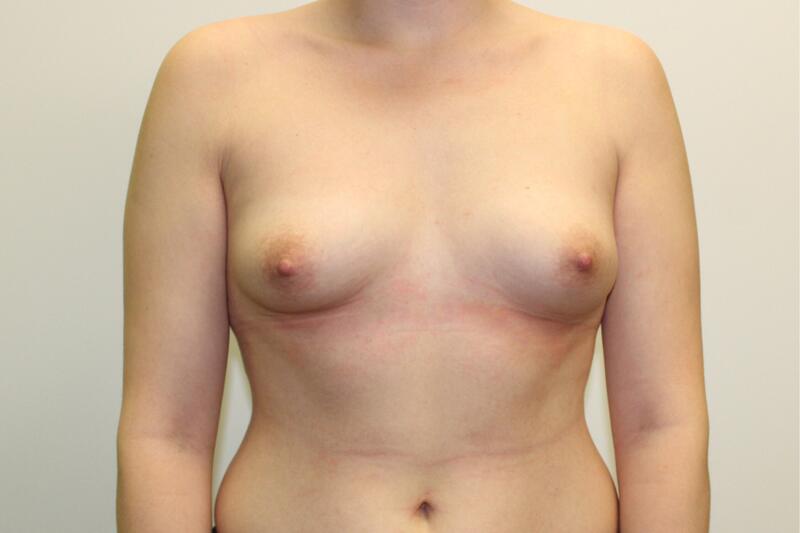
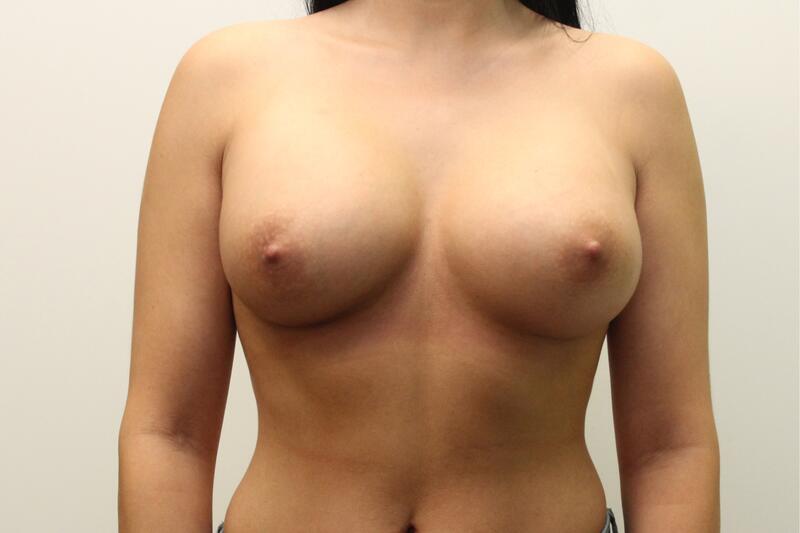
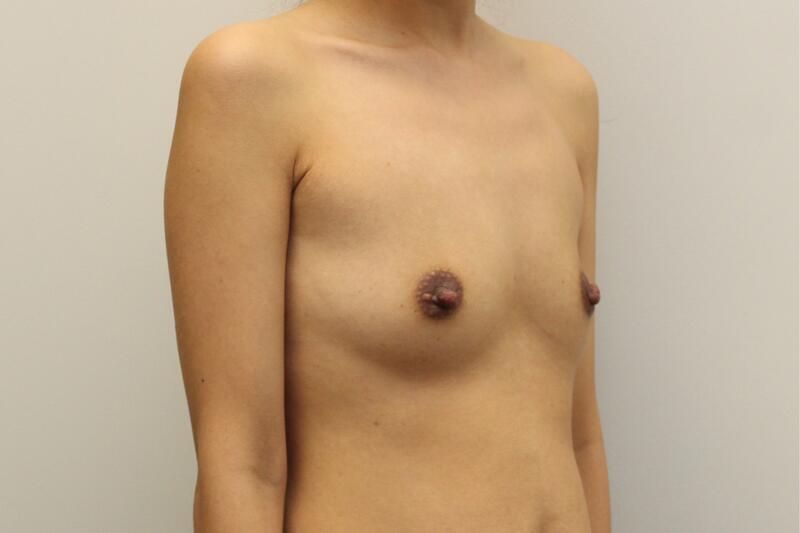
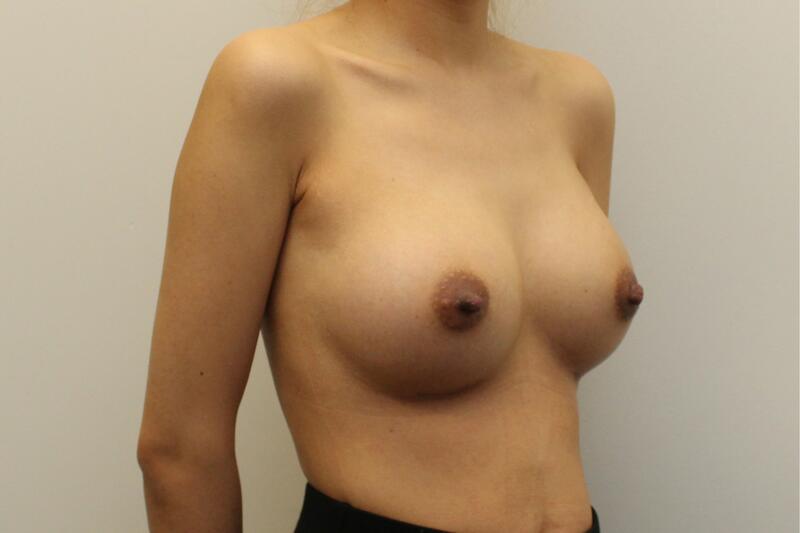
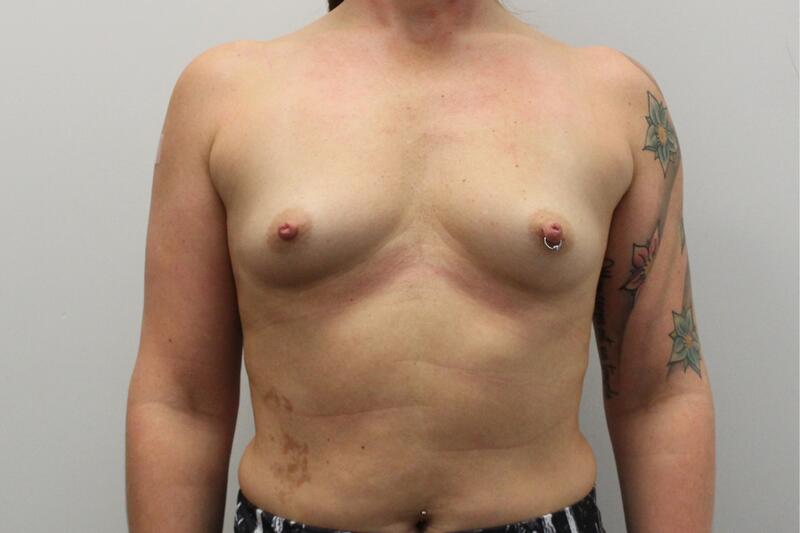
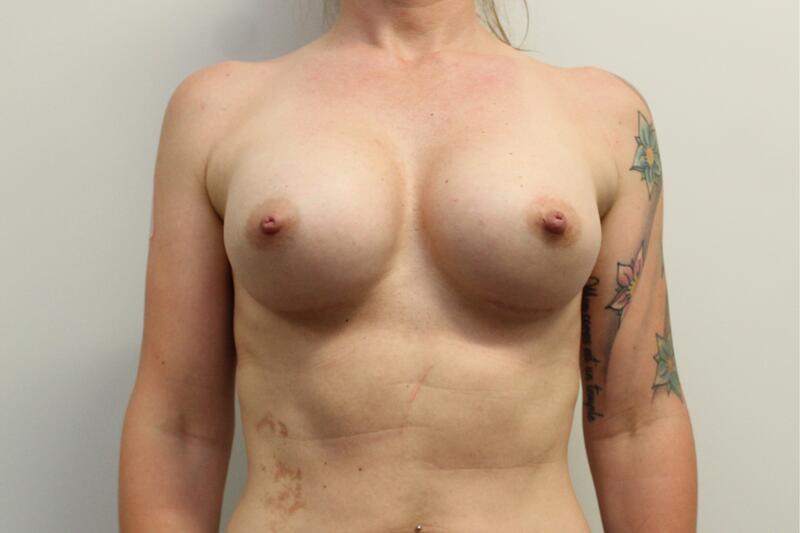
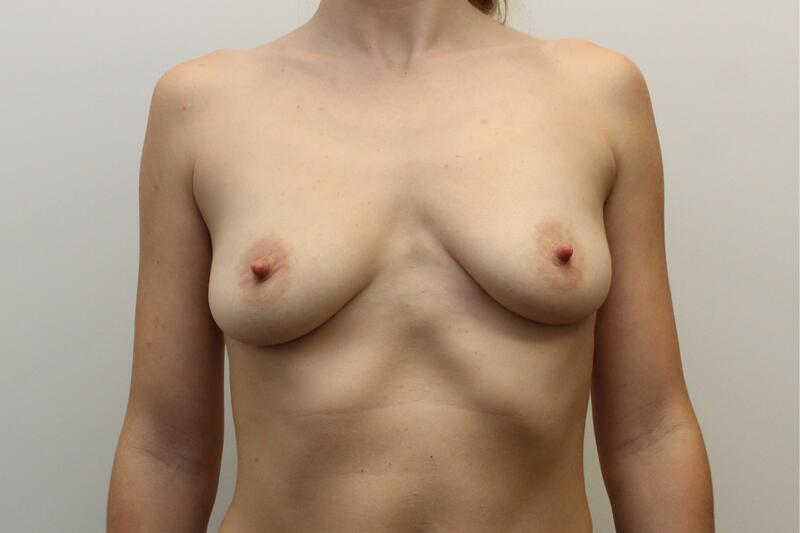
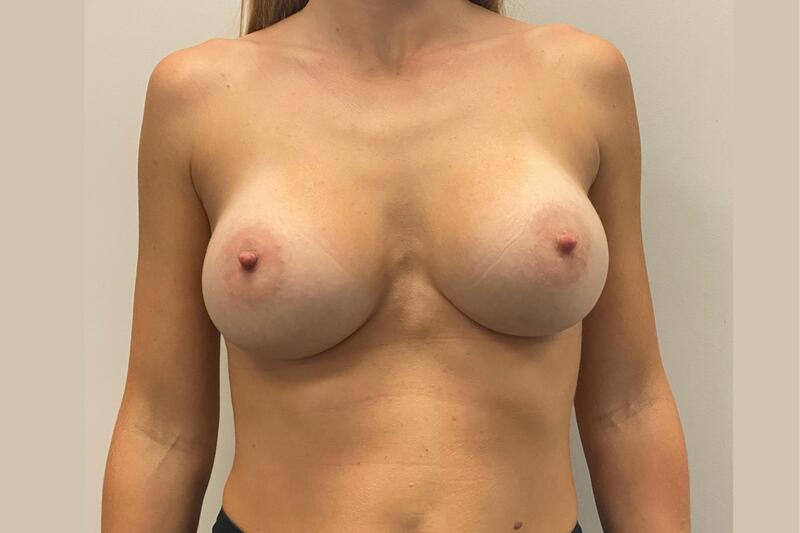
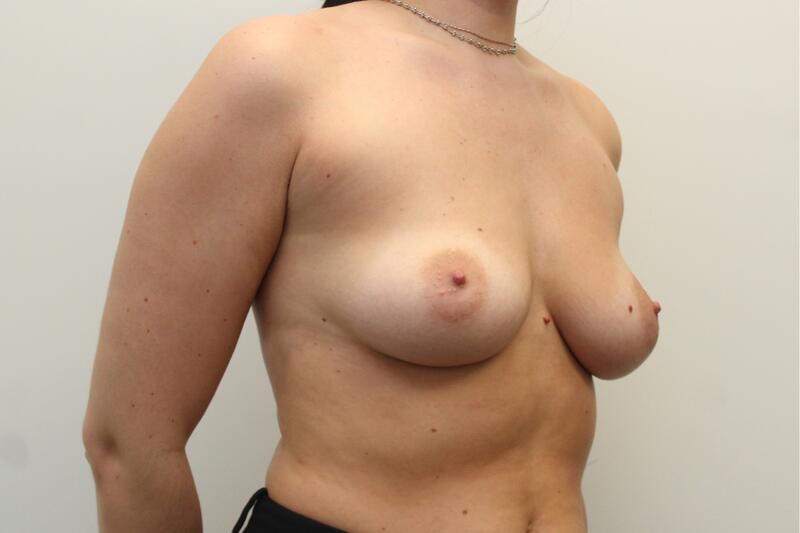
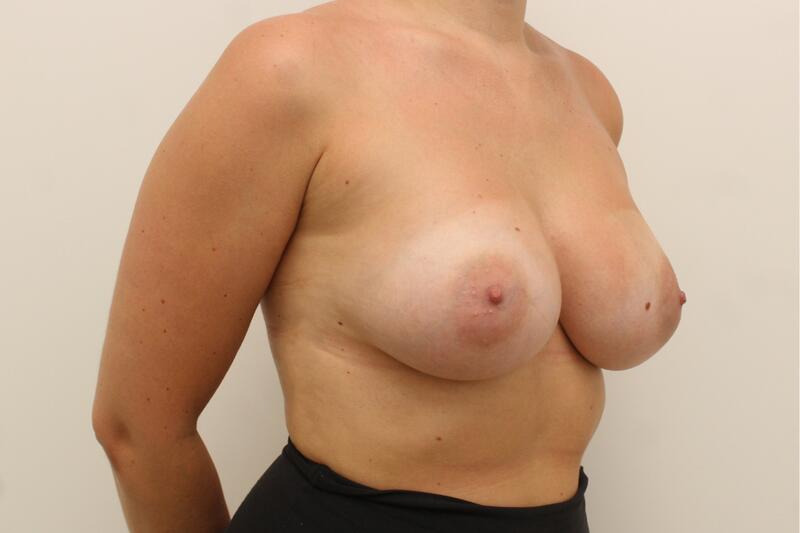
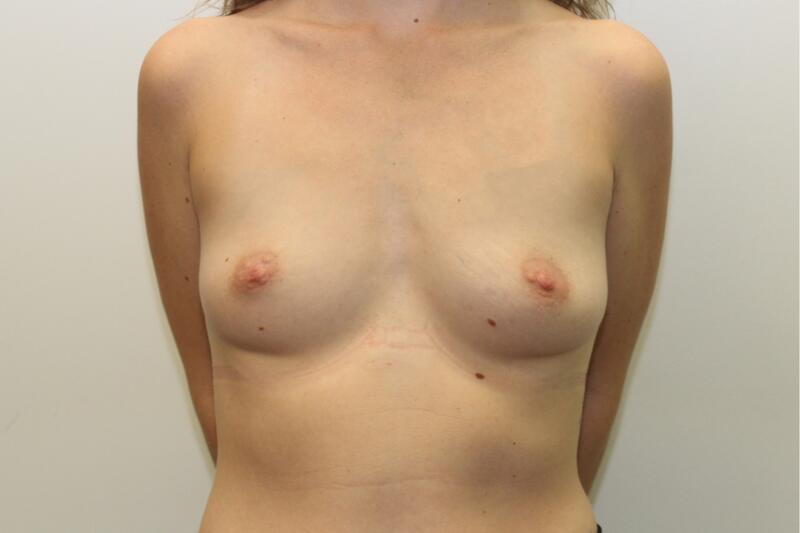
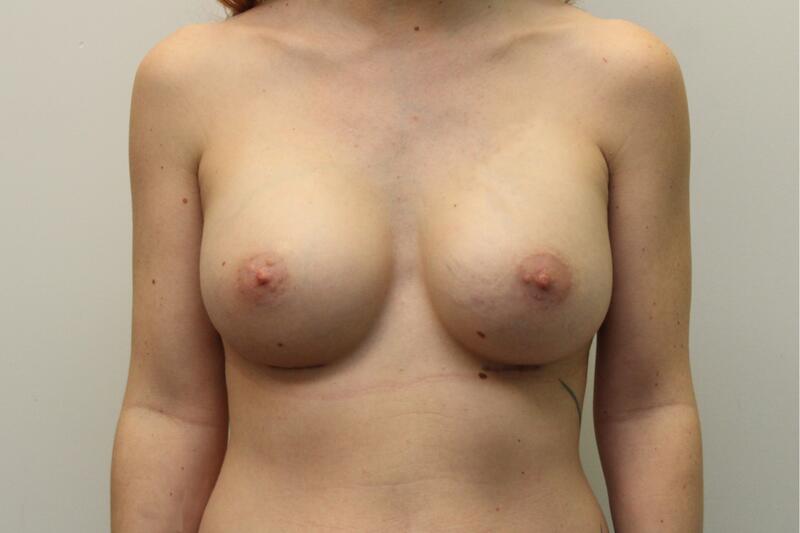
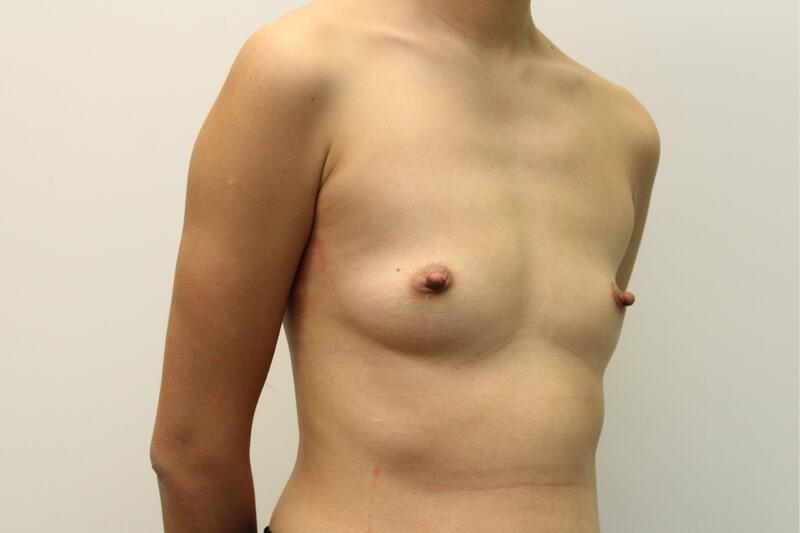
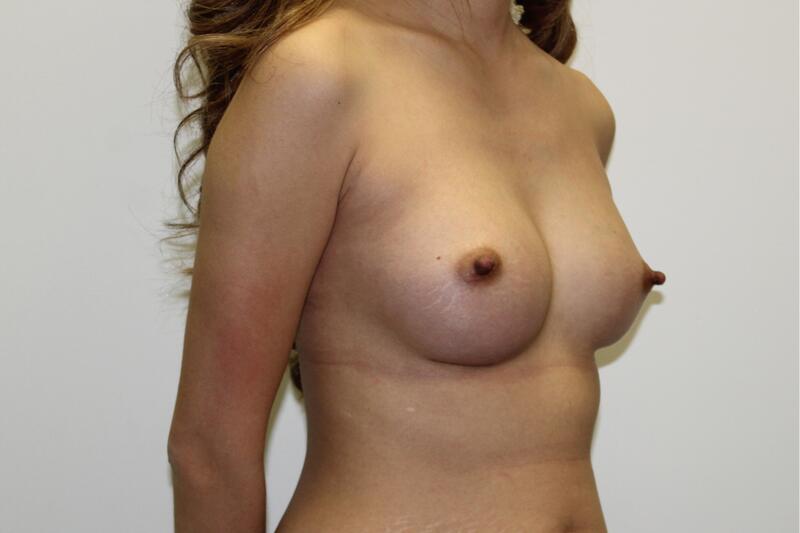
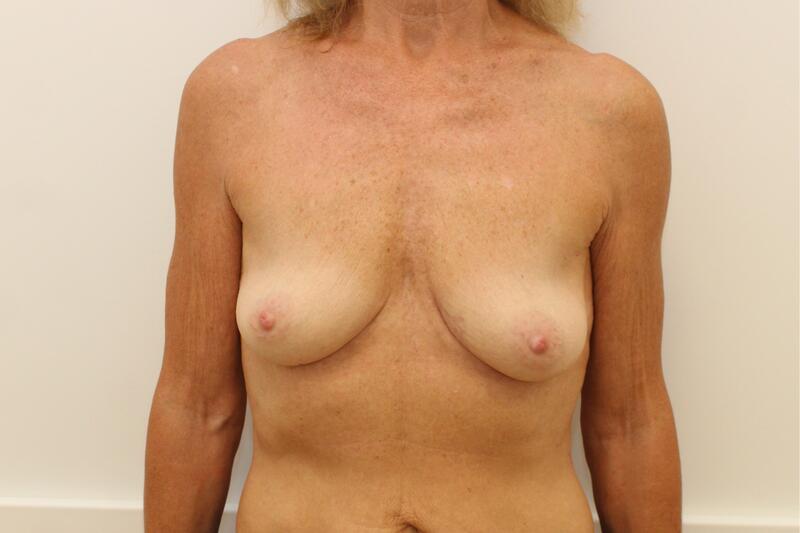
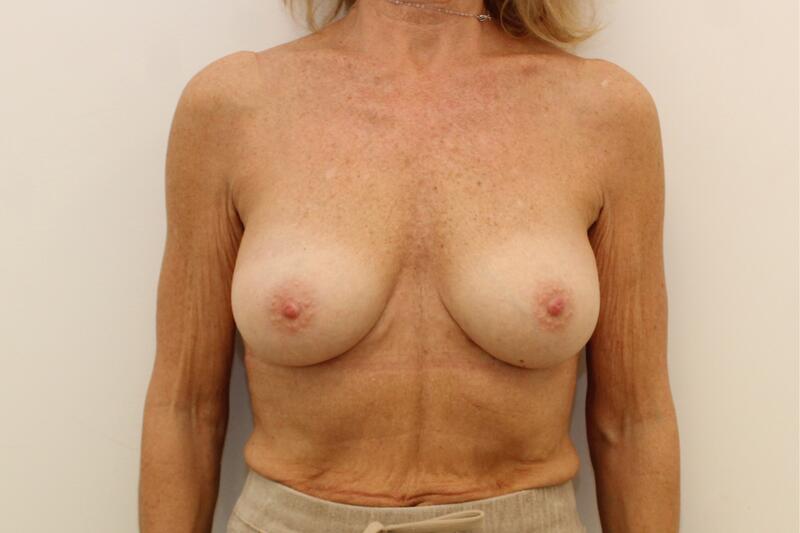
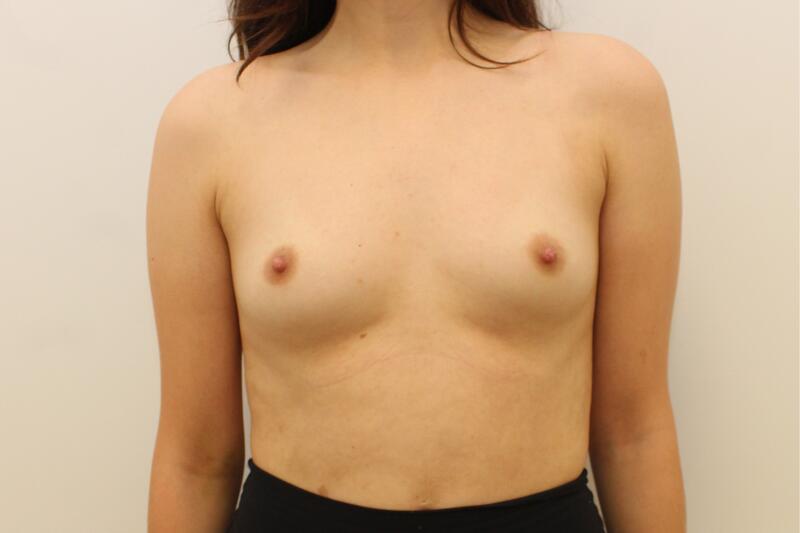
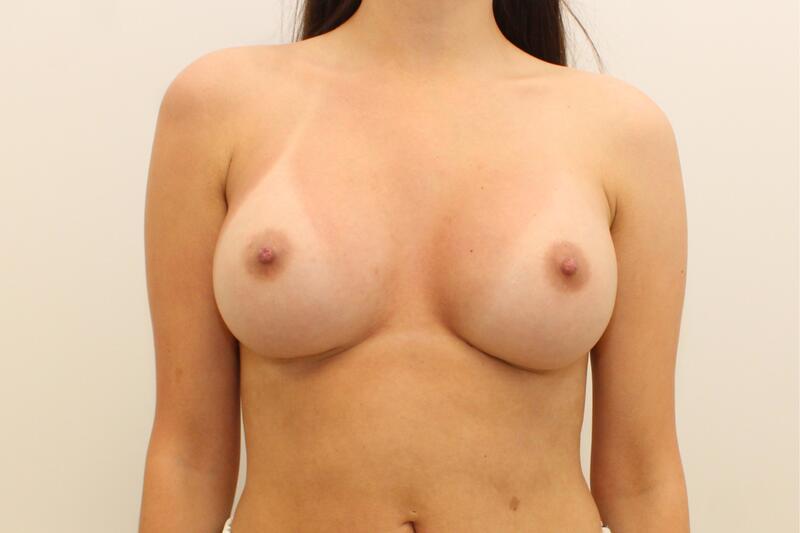
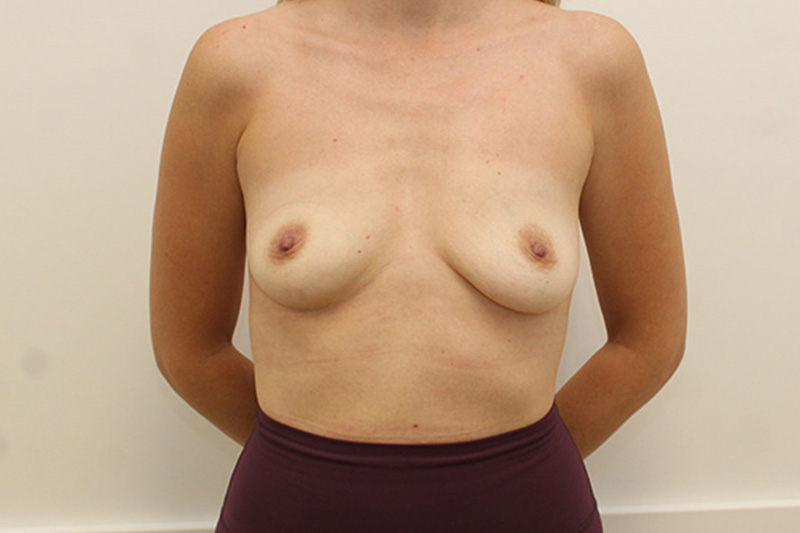
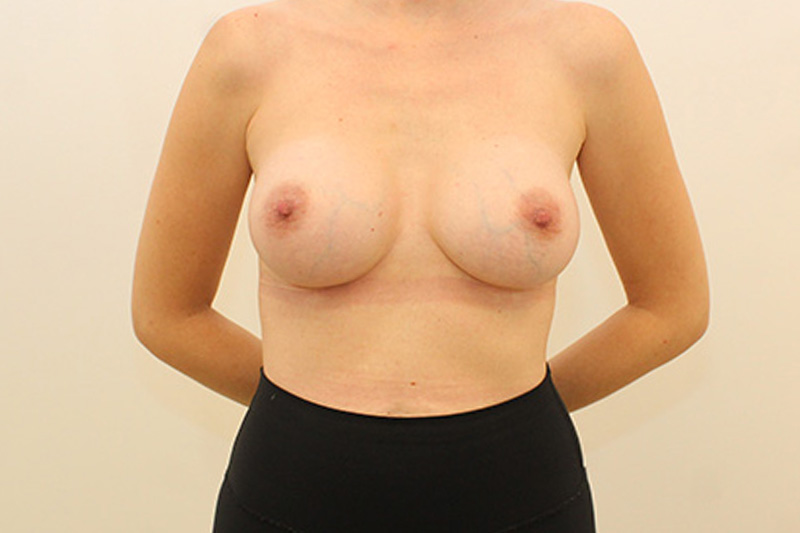
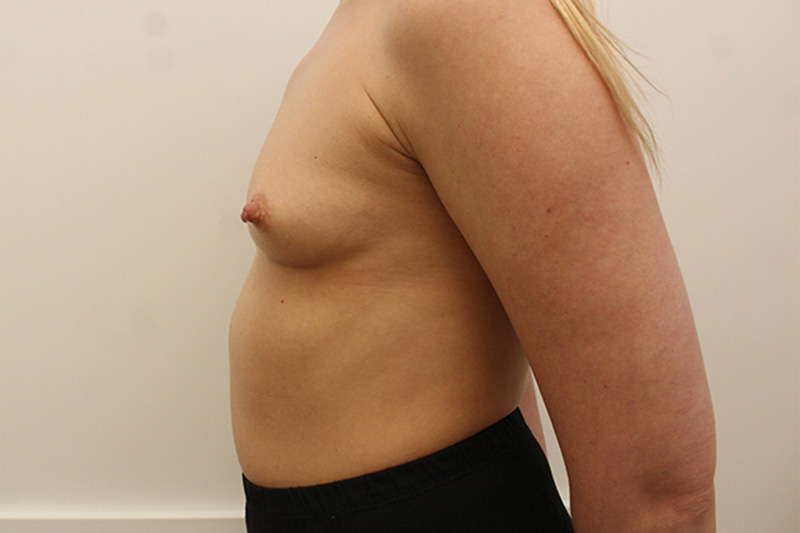
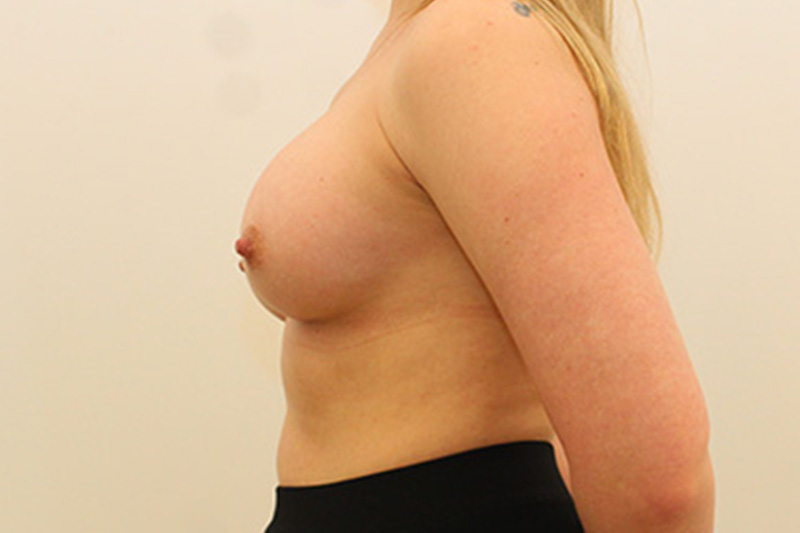
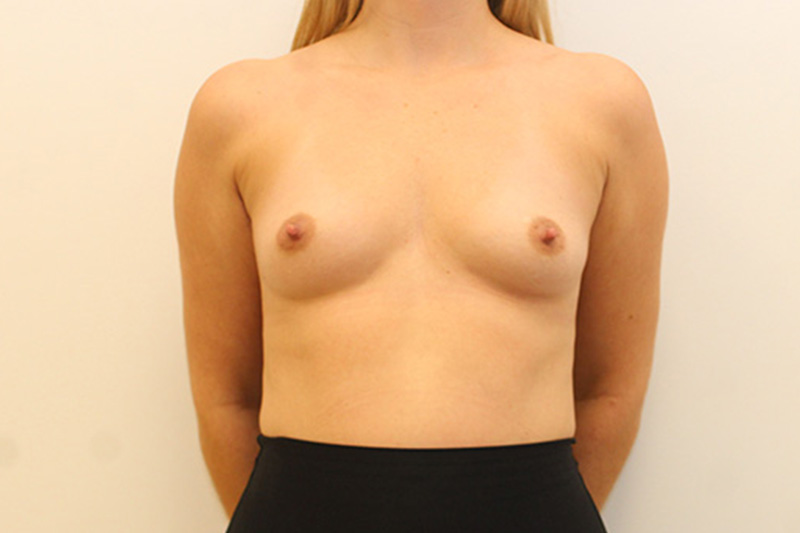
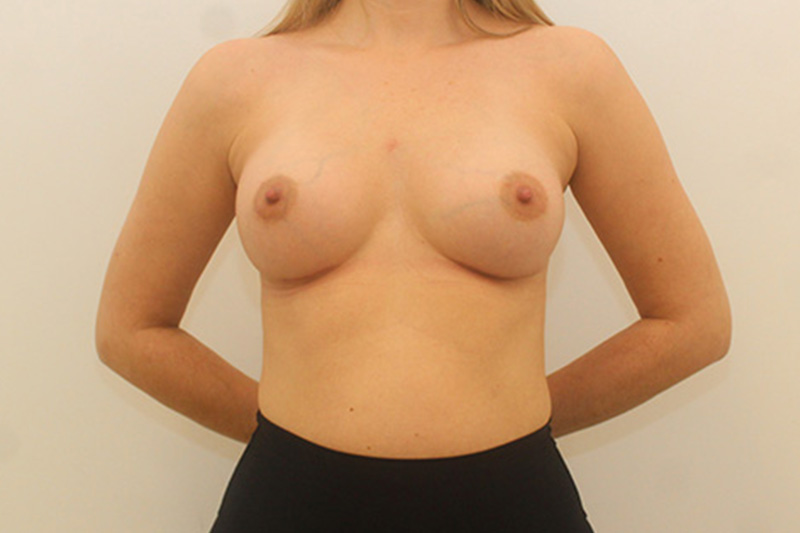
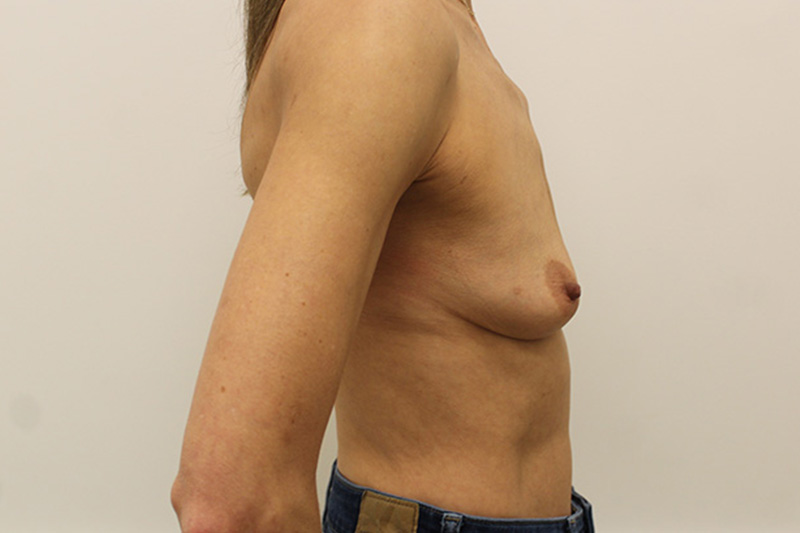
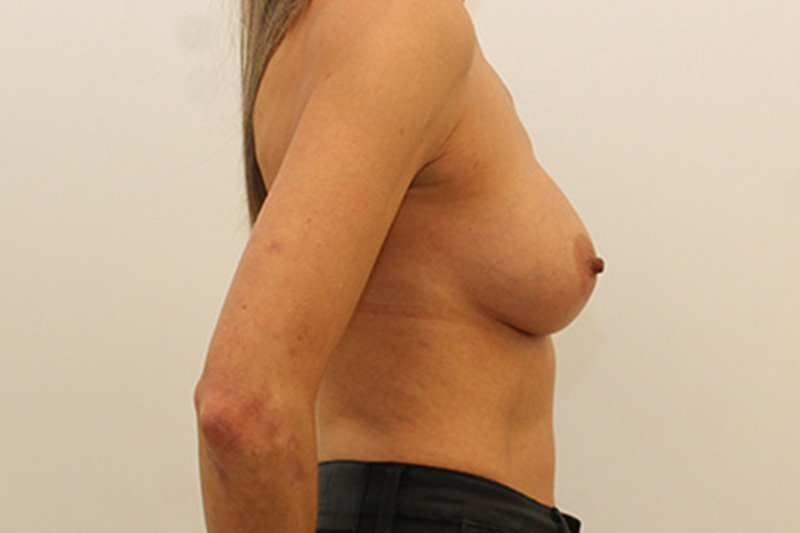
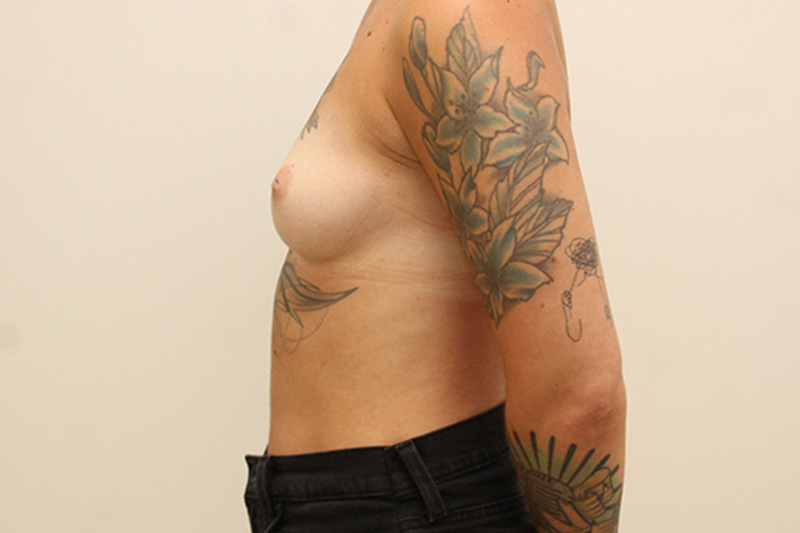
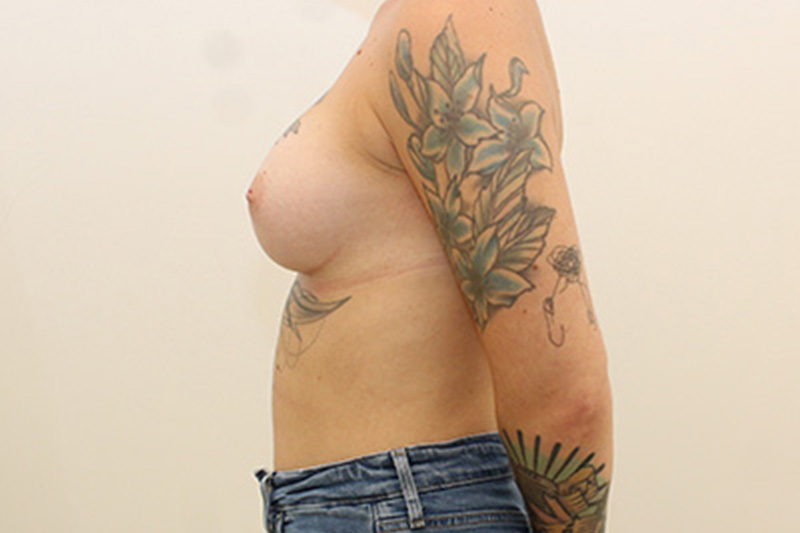
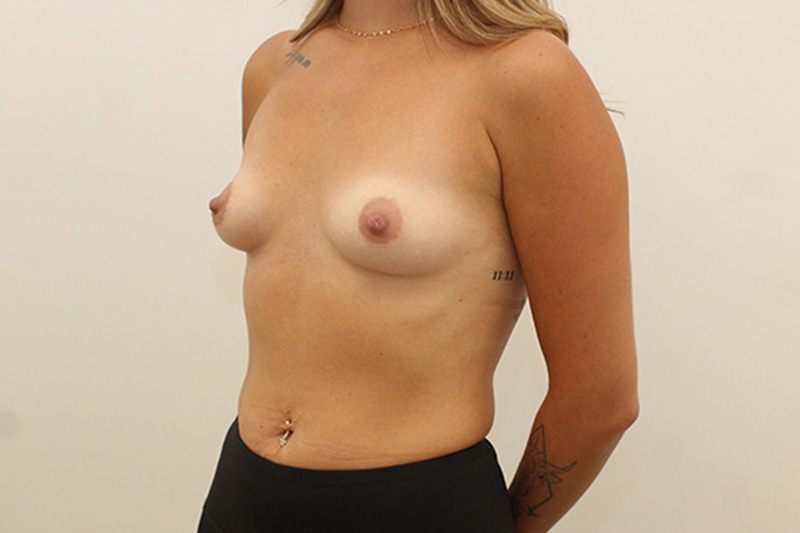
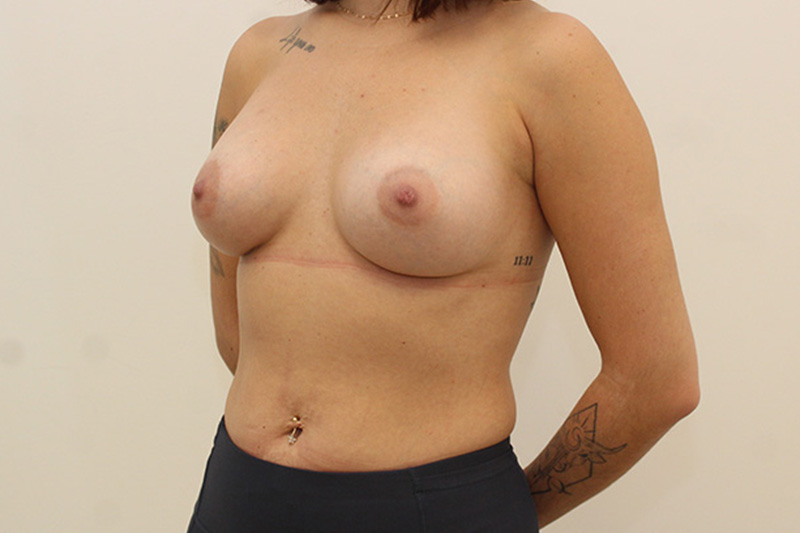
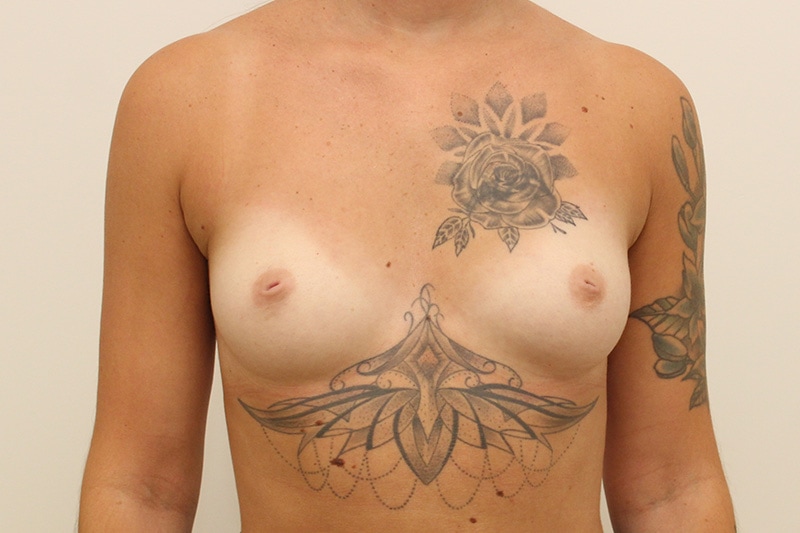
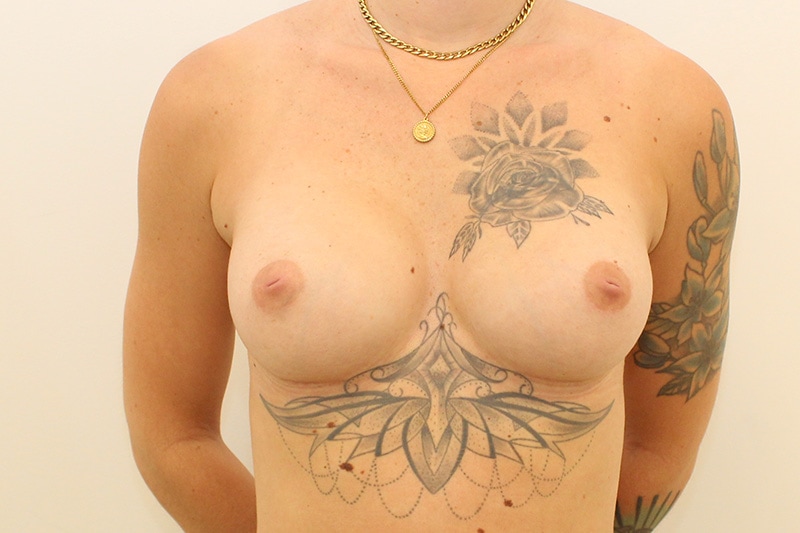
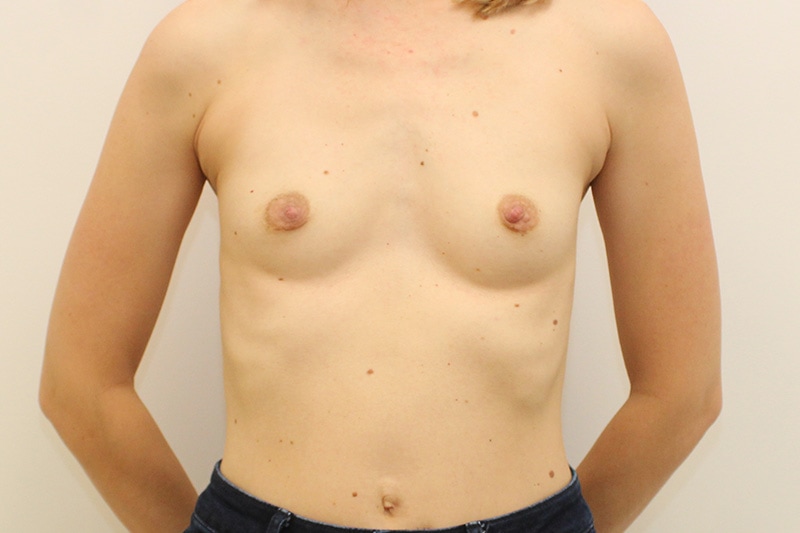
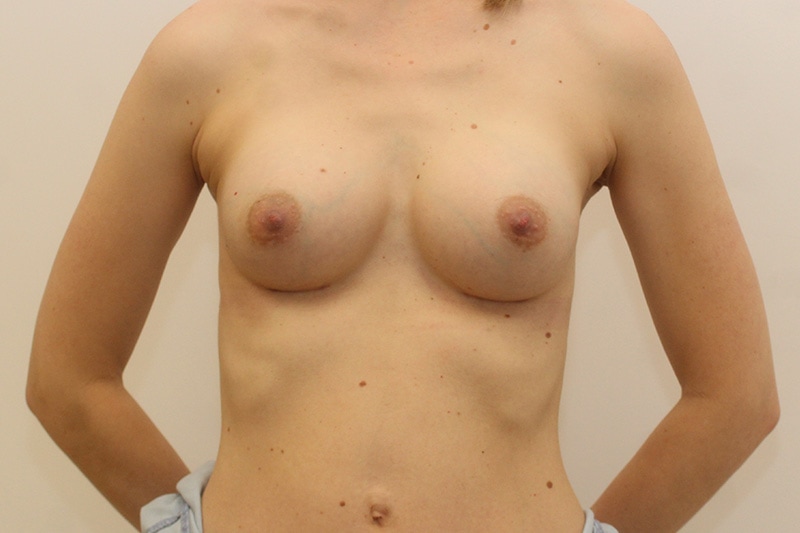
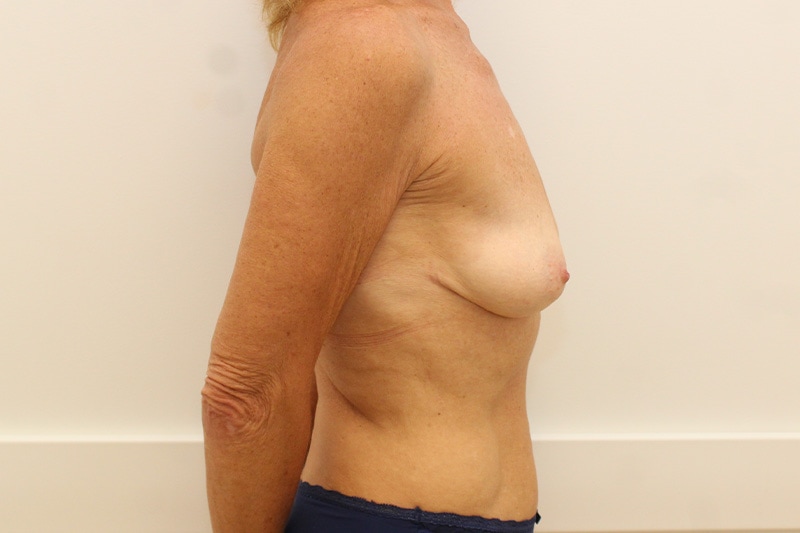
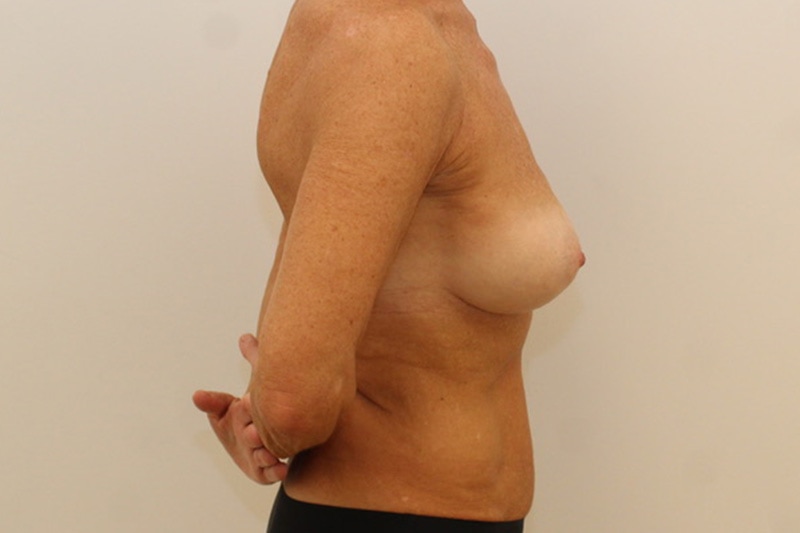
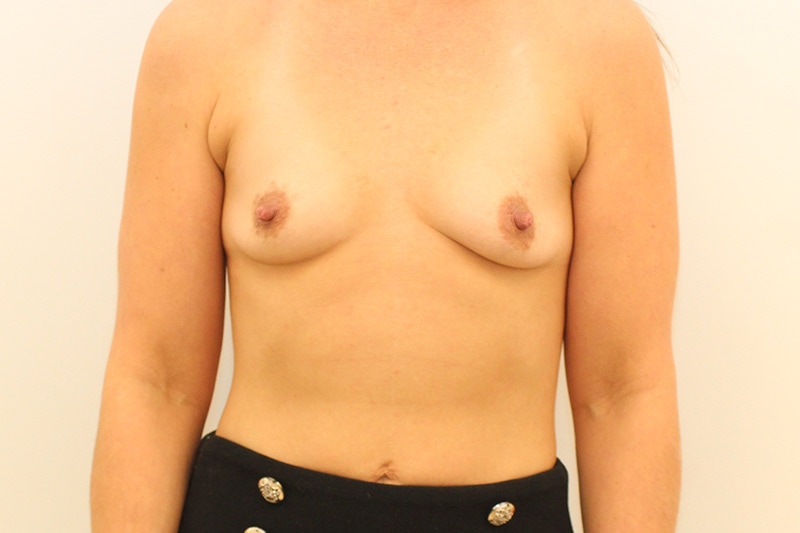
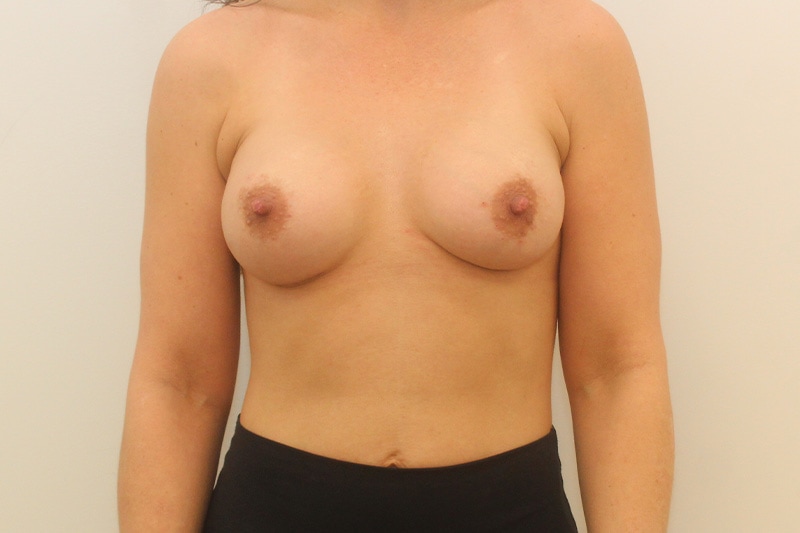
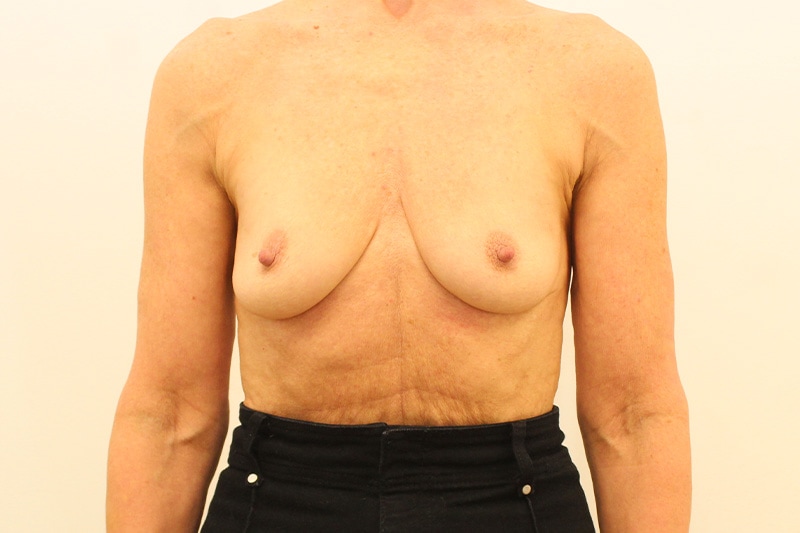
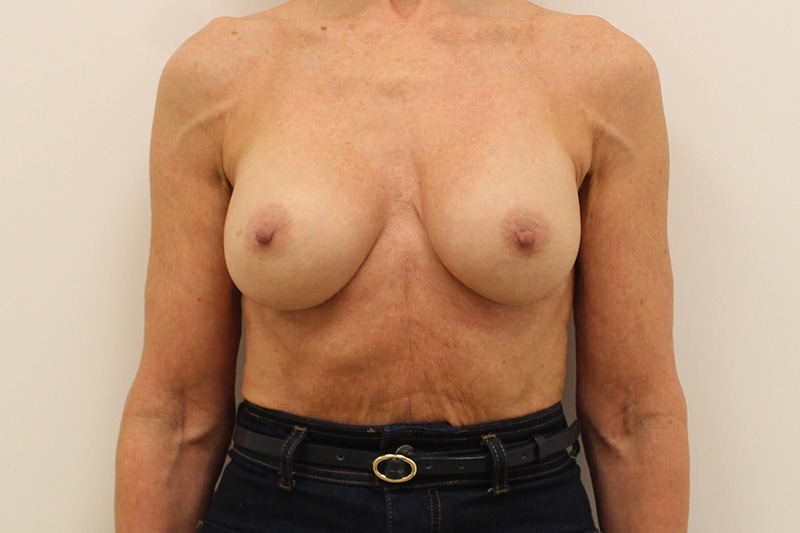
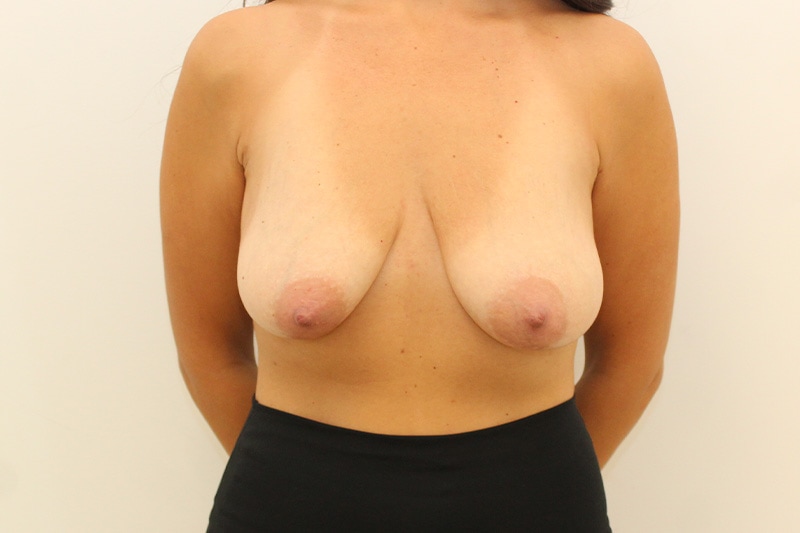
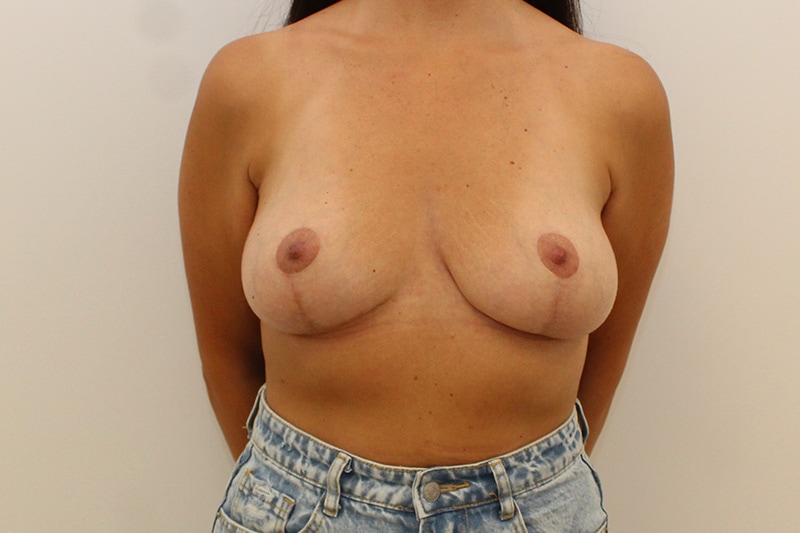
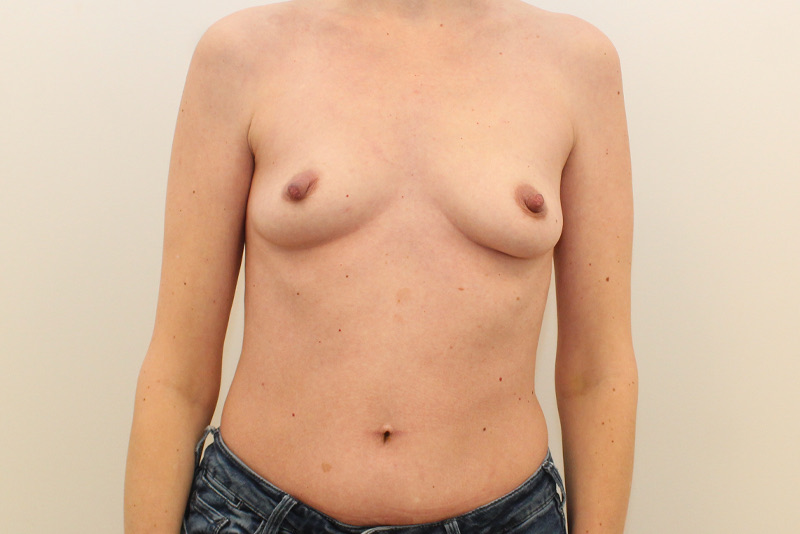
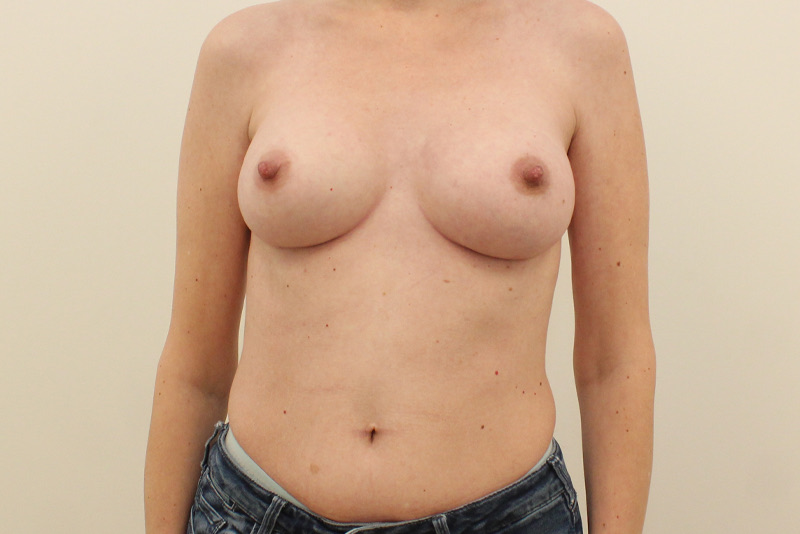
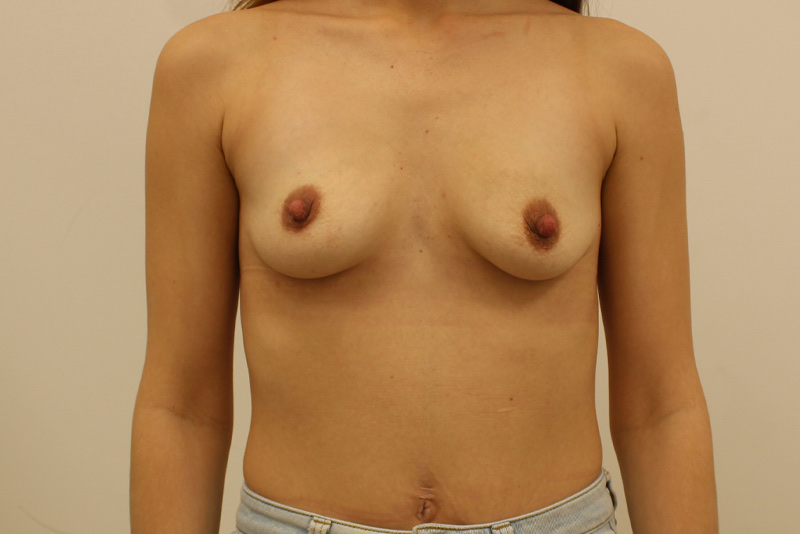
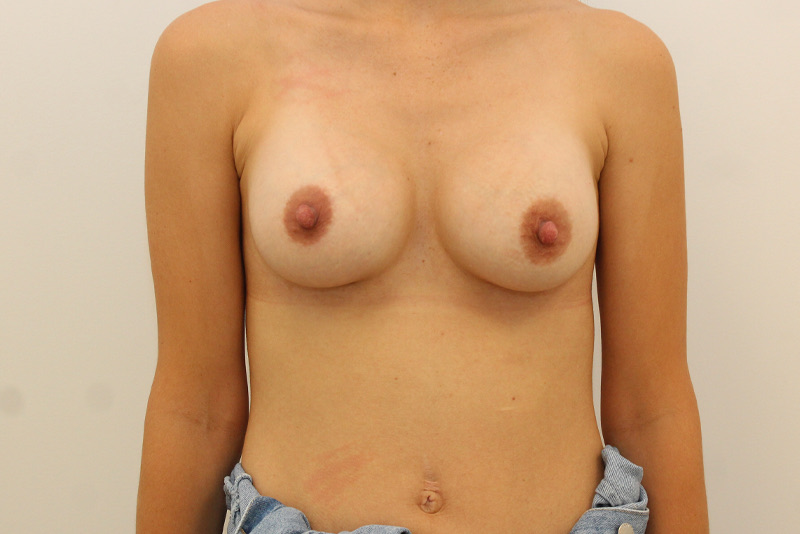
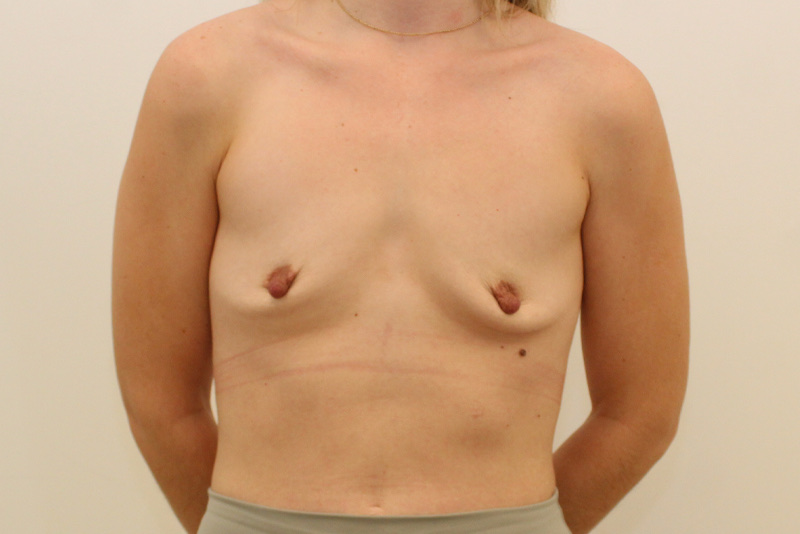
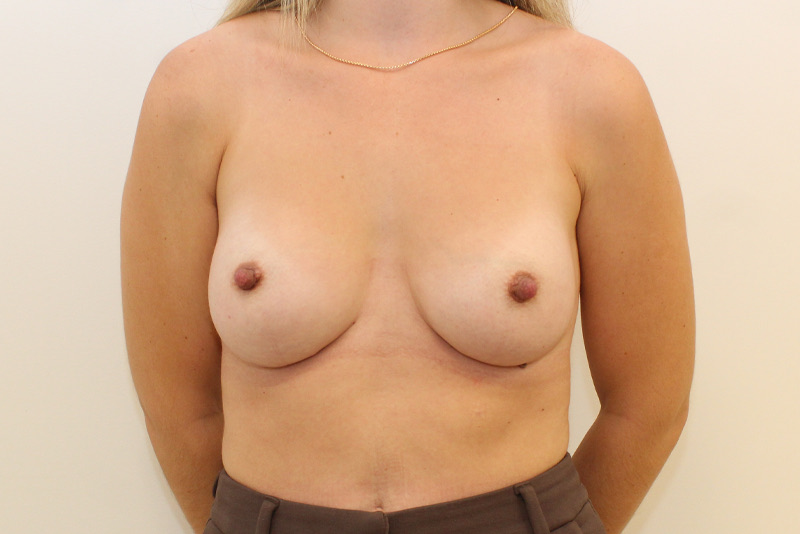
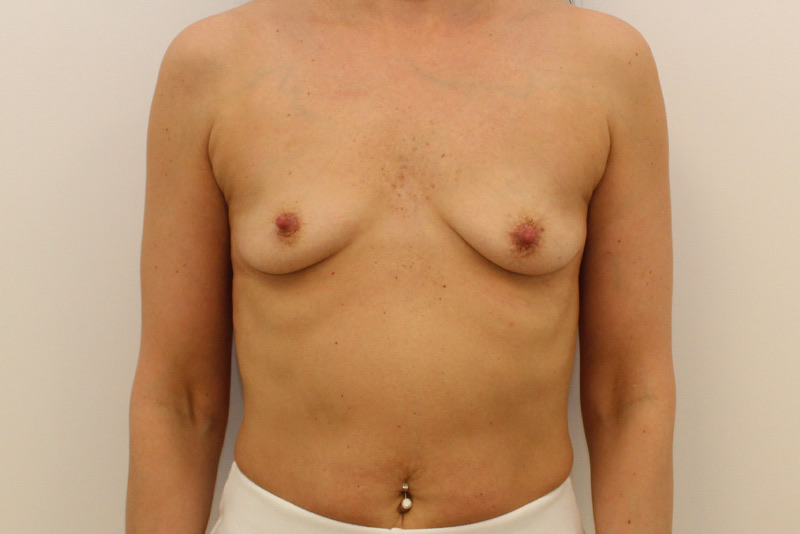
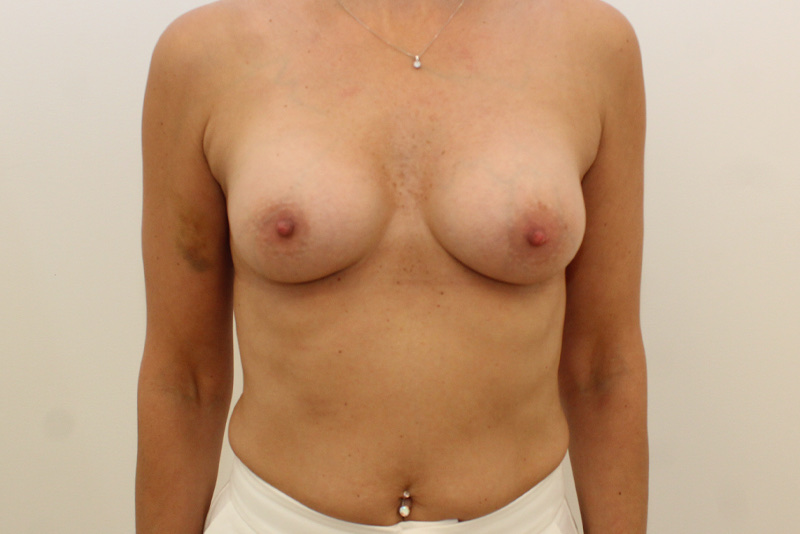
Before & After breast augmentation photographs shown on this site are actual patients of Dr. James Lee who have given their permission to have their photos published online. They are for illustrative purposes only; individual results vary. We do not guarantee outcomes, and no prediction of outcome is implied. Individual healing characteristics and unexpected complications can affect the outcome of any surgery.
Enhancement With Intention
Breast augmentation (or augmentation mammoplasty) is a cosmetic surgical procedure that uses breast implants to increase breast volume and enhance breast shape. It can add fullness to naturally smaller breasts or address changes in volume following pregnancy, breastfeeding, aging, or weight loss.
Increasing breast volume can also change how the breasts relate to the overall silhouette, including shoulders, waist and hips. The degree of change can range from subtle to more noticeable depending on factors such as implant size and profile, as well as the existing breast tissue and chest dimensions.
Breast augmentation does not fully correct sagging breasts. If your goals include adding volume while also addressing the position of the breasts, Dr. Lee may recommend a breast lift as part of your overall treatment plan.
Confidence in Every Curve
Depending on your goals, breast augmentation can:
Is Breast Augmentation Right for You?
Breast augmentation may be appropriate for healthy adults who have realistic expectations and would like to change the size, shape, or fullness of their breasts. Candidates should generally be at a stable weight, and, ideally, be non-smokers.
You may consider breast augmentation if you would like more breast volume, have experienced a loss of fullness, or want to enhance the shape of your breasts. If you are planning a future pregnancy or are currently working toward significant weight loss, it is important to discuss this with Dr. Lee during your consultation. These changes can affect your results over time, and understanding your future goals will help Dr. Lee plan your procedure accordingly.
Designed Around Your Starting Point
Breast implants can add volume and projection for patients who would like greater fullness. Implant selection takes into account the existing breast tissue, chest dimensions, and the degree of change the patient is looking for.
Pregnancy and breastfeeding can affect breast volume and fullness, particularly in the upper portion of the breasts. Breast augmentation can add volume and create a fuller breast shape based on the patient’s desired look.
Weight loss can lead to changes in breast volume, shape and skin. Breast augmentation can add fullness when volume has decreased, while a breast lift may also be considered when changes in breast position or excess skin are present.
Natural breast characteristics vary from person to person. When planning breast augmentation, Dr. Lee considers factors such as breast shape and width to help guide implant dimensions and the overall surgical approach.
Breast augmentation can add volume when the breasts have lost fullness, but implants alone do not fully address changes in breast position. When breast position or excess skin is a concern, Dr. Lee may also recommend a breast lift (mastopexy) as part of the overall treatment plan.
A Fit Entirely Your Own
During your consultation, Dr. Lee will consider your height, weight, breast width, current breast size, and the amount of natural tissue available to cover the implant. Implant selection is based on how the implant fits your anatomy rather than cup size alone. Dr. Lee will show you sample implants that reflect the options he recommends, allowing you to see and feel the differences in size, profile and shape. If you choose to proceed with the surgery, a more detailed implant fitting session takes place during your pre-operative appointment.
Dr. Lee works with cohesive silicone gel implants, which contain a gel designed to maintain its consistency and shape within the implant shell. These implants are available in different sizes and profiles and can provide a look and feel similar to natural breast tissue.
Round implants distribute volume evenly throughout the implant and are available in different profiles to vary the degree of projection. They may be considered for patients who prefer greater fullness, particularly in the upper portion of the breast.
Your Journey Starts With a Conversation
Your initial consultation is an opportunity to discuss the look you are considering, ask questions, and learn about the options available to you. Dr. Lee will assess your breasts, skin, and existing breast tissue, while discussing factors such as implant size, profile, placement, and the preferences that will guide your surgical plan.
Your medical history and current medications will also be reviewed to help determine whether breast augmentation is appropriate for you. As you prepare for surgery, certain medications may need to be temporarily stopped. Pre-operative testing, such as blood work and/or electrocardiogram, will be required depending on your health history and surgical plan. Smoking increases the risk of delayed wound healing, infection, and poor scarring. Patients who smoke will be asked to stop 6 weeks before breast augmentation surgery and remain smoke-free for at least 6 weeks after the procedure.
Precision in Every Detail
Breast augmentation is performed under general anesthesia and takes approximately one to two hours. Dr. Lee places the incision within the inframammary fold, the natural crease beneath the breast. This location allows direct access to the implant pocket while positioning the incision within the breast crease. The inframammary approach also avoids an incision around the nipple and limits direct disruption of the central breast tissue and milk ducts.
Breast implants can be positioned beneath the pectoral muscle, above the muscle, or using a dual-plan technique. Dr. Lee typically uses subpectoral placement, which provides additional tissue coverage over the implant and can be particularly beneficial when natural breast tissue is limited. In select cases, subglandular placement above the muscle may be considered. A dual-plane technique provides muscle coverage over the upper portion of the implant while allowing the lower portion to sit beneath the breast tissue. The choice of implant position is determined by factors such as tissue coverage, breast characteristics, and the requirements of the procedure.
Temporary implant sizers are used during surgery to assess volume, positioning, and the overall appearance of the breasts. They allow Dr. Lee to evaluate how the selected size aligns with the goals discussed during your consultation while also considering what is surgically appropriate for your breast tissue and anatomy. Once the appropriate implant size and position have been determined, the temporary sizers are removed and replaced with the selected silicone implants. The incisions are then closed using absorbable sutures.
Care That Carries You Forward
Breast augmentation is an outpatient procedure, allowing you to return home the same day with a responsible adult. Dressings will cover the incisions, and a supportive surgical bra is worn during the early recovery period. Chest tightness, stiffness, bruising, and swelling are expected during the first few days. These symptoms gradually improve as healing progresses, although swelling can persist for several weeks.
Many patients are able to return to work and routine daily activities within the first few weeks, depending on how they are healing and the physical demands of their job. During early recovery, patients are instructed to sleep on their backs and follow activity restrictions provided by Dr. Lee and his team. Heavy lifting and strenuous exercise should be avoided until it is safe to gradually resume these activities. Scheduled follow-up appointments allow Dr. Lee and his team monitor healing, the incisions, and the implant position throughout recovery.
What to Expect Over Time
The increase in breast size is visible immediately after surgery, although swelling and a temporarily higher implant position can influence how the breasts look during early recovery. Over the following weeks and months, the swelling subsides, and the implants settle as the surrounding tissues heal.
Planning for Your Procedure
Following your consultation, the clinic will provide a detailed quote based on your procedure. Your quote includes the surgeon’s fee, implants, anesthesia, operating facility, and post-operative care. Financing options are also available.
A Refined Approach
Dr. James Lee is a board-certified plastic surgeon whose surgical practice is focused on breast and body procedures. His approach to breast augmentation emphasizes thoughtful planning, careful implant selection, and a clear understanding of the goal each patient is hoping to achieve.
Rather than relying on a standard formula, Dr. Lee considers the characteristics of the breasts and chest alongside each patient’s preferences when developing the surgical plan. His technique incorporates cohesive silicone gel implants, careful pocket creation, and intraoperative sizing to guide implant selection and placement.
Dr. Lee performs every procedure himself and remains directly involved throughout your care. From your initial consultation through your follow-up appointments, patients can expect honest recommendations, clear communication, and attentive surgical care.
Begin With Possibility
Choosing the right breast implants involves more than size alone. Your existing breast characteristics, implant options, and the results you’re aiming for all play a role in planning your procedure. Schedule a private consultation with Dr. James Lee at his Laval clinic, conveniently located for patients considering breast augmentation in the Montreal area.
Breast augmentation risks can include bleeding, infection, changes in nipple or breast sensation, poor wound healing, visible scarring, implant malposition, capsular contracture, implant rupture, asymmetry, rippling, and the possible need for additional surgery. All breast implants carry certain risks. Dr. Lee will review potential complications, answer your questions, and discuss the benefits and limitations of the procedure as part of the informed consent process.
Dr. Lee places the incision within the inframammary fold, The incision is placed within the inframammary fold, where the scar is generally concealed beneath the breast. Scars may initially appear red, raised, or firm and generally change in appearance as they mature. Scar quality depends on skin type, genetics, wound care, sun exposure, and individual healing. Final scar maturation can take up to 12 months.
Breast implants do not have a fixed expiration date, but they are not lifetime devices. They do not automatically need to be replaced after a set number of years. Implant replacement or further surgery may be considered if a complication develops, changes occur in the breast or implant, or the patient wishes to optimize the size or appearance of the breasts.
Many patients can breastfeed after breast augmentation. The inframammary incision is placed away from the nipple and central breast tissue, which helps limit disruption to the milk ducts. However, the ability to breastfeed can be affected by several factors and cannot be guaranteed following breast surgery.
Breast implants restore volume but cannot remove a significant amount of loose skin or raise low nipples. If these concerns are present, Dr. Lee may also recommend a breast lift as part of your overall treatment plan.
Patients with breast implants should continue routine breast cancer screening. Be sure to inform the imaging centre that you have breast implants so the appropriate mammogram techniques can be used to visualize the breast tissue. Additional or baseline screening may also be recommended based on your age, medical history, and individual circumstances.